Capabilities
Concept to Deck,
End to End
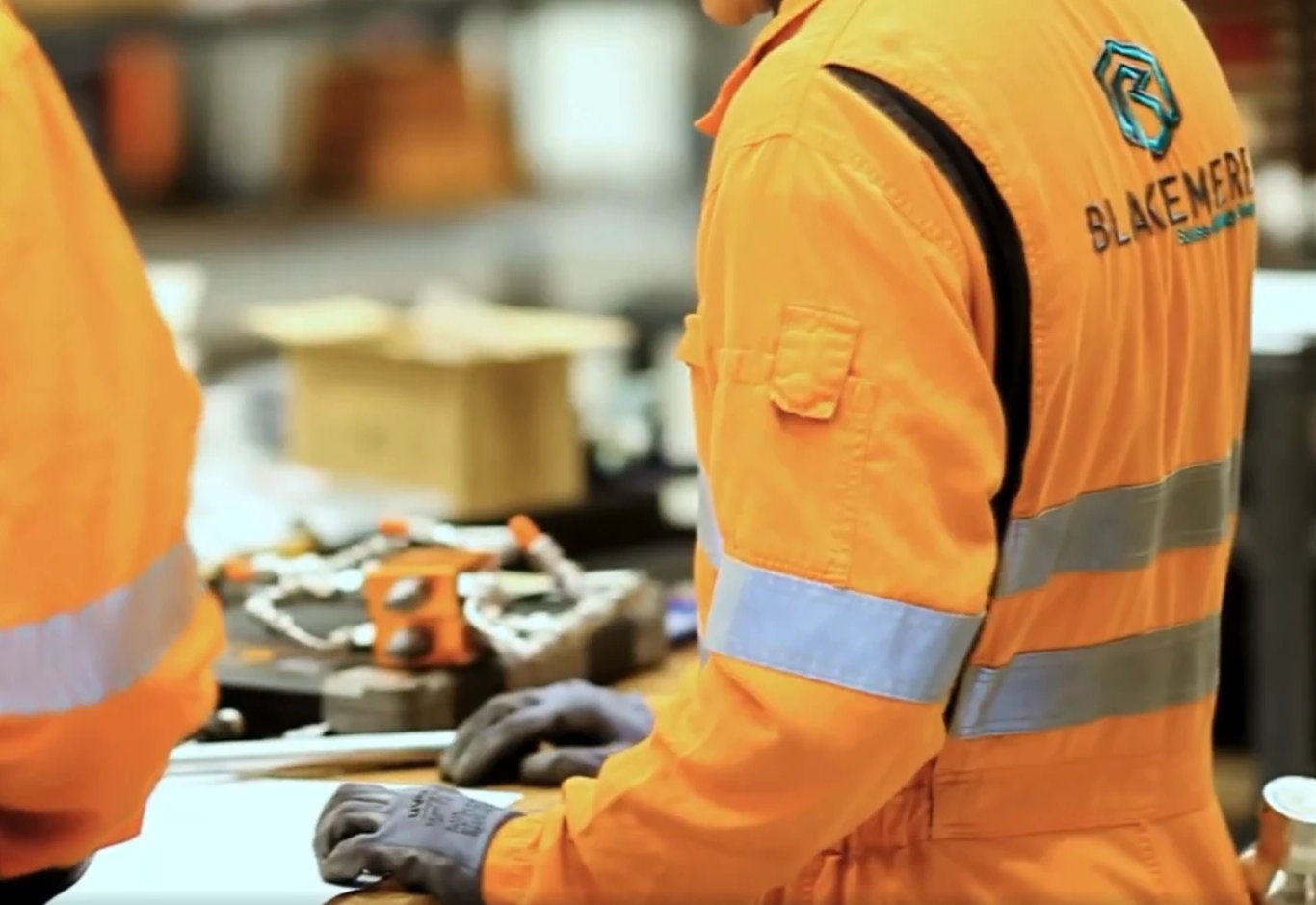
Over thirty engineers, a workshop, and technicians who go offshore with the finished thing. Concept development, FEED, design, fabrication, testing and mobilisation sit with one party, so the judgement that produced the tool is on the deck when it is used.
What we do
Subsea Engineering Across the Life of the Asset
Which capability you need depends on where your asset sits. Most clients meet us in one and come back through another, because the engineering judgement underneath them is the same.
Bespoke Engineering
A development is running conventionally and one element of it is not. Something novel, awkward or off the standard path that nobody wants distracting the main scope.
We take it as a separate scope. Test the brief, carry two or three concepts far enough to show which constraint actually bites, then design, fabricate and test the answer rather than drawing it and handing it on.
Bring us the problemOperations Support
An inspection has found something, or an interface has started to move, and the asset still has to produce while you deal with it.
Deciding what to do about an anomaly is design work. In-service repair, sealing and life extension, engineered against the interface you actually have.
Protect asset uptimeDecommissioning
Well abandonment support, platform and jacket severance, pipeline and riser cutting, plugging, buoyancy removal and recovery, engineered to the actual member and the actual access.
Two or three methods are carried far enough to show which constraint actually bites, and the reasoning is documented alongside the hardware.
Scope a removal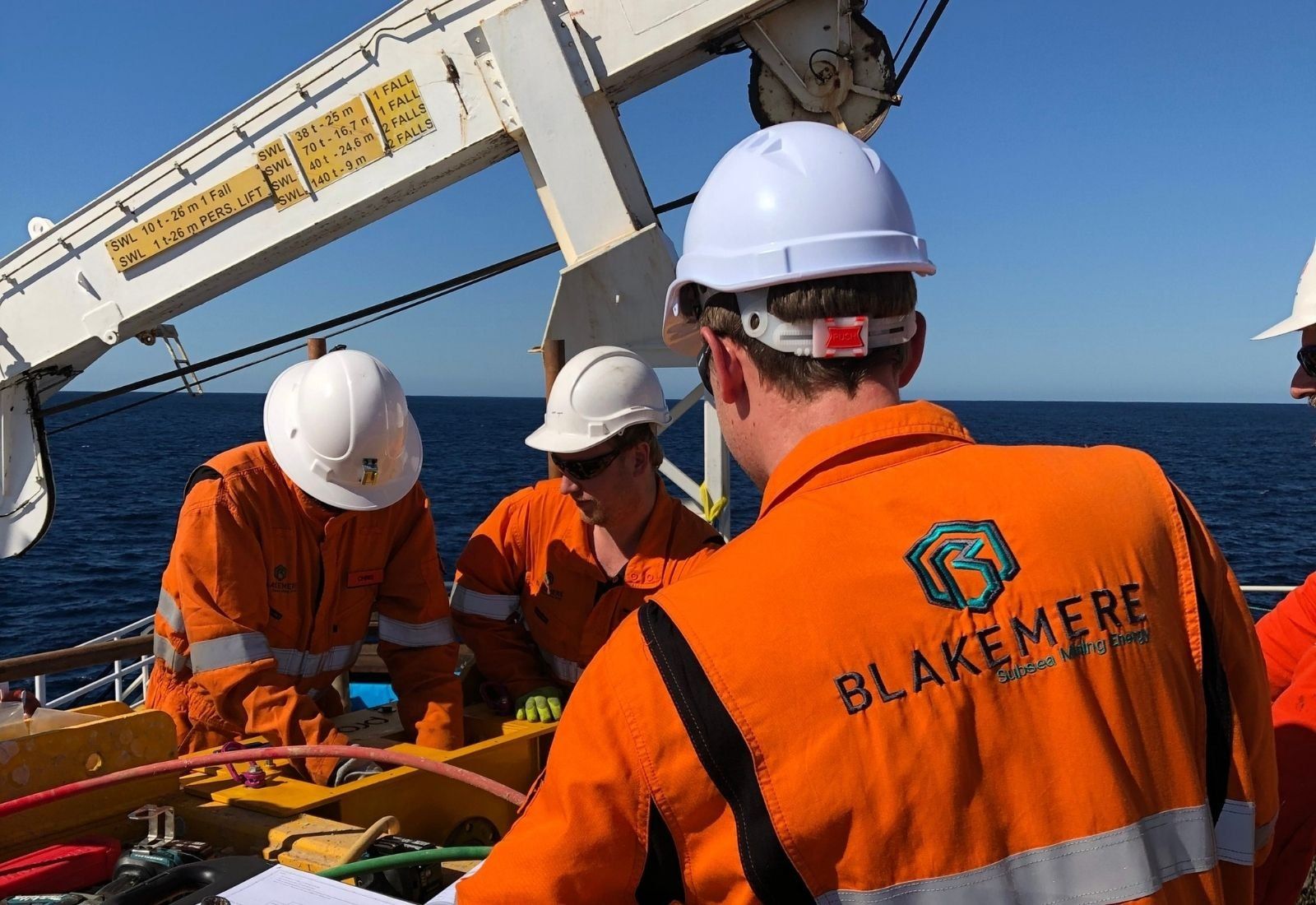
We Start by Testing the Brief
Most enquiries arrive with the answer already attached. A saw of a particular size. A tool to do a particular thing. Sometimes that is exactly right and the quickest service we can provide is to price it and get on with it.
Often enough the specification is an answer to a question that got settled early, by someone reasonable, working from what was available at the time. So the first thing we do is ask what has to be true when the job is finished, and work backwards from there.
It is an uncomfortable conversation to start and a short one to have. The alternative is having it offshore, later, with a vessel already on location.
On one intervention scope the stated problem was that a component could not be extracted. Treated as an extraction problem it had no good answer. Treated as a question about what conditions would allow extraction, it had several and the one that worked involved almost no force at all.
Six Stages From Concept to Mobilisation
01Concept Development
Establishing what is actually being asked for, what the asset will tolerate, and what equipment and vessel spread will be available on the day.
Several concepts are always carried a short distance before one is chosen. The constraint that kills a concept is rarely the one identified at the outset, and a single recommendation is difficult to judge.
Two or three, with the trade-offs set out plainly, let you make the decision rather than ratify ours.
02FEED
Front-end engineering that fixes the method, the interfaces and the equipment list before money is committed to fabrication.
On cutting scopes this is where the awkward cases surface, the brace a saw cannot be positioned around, the member that turns out to be concrete filled, the cut location that cannot be reached with the available ROV.
A FEED is not bought for the elegance of the method it produces. It is bought to remove the small chance of the discovery that stops a campaign. The decommissioning page sets out what that looks like on an awkward cut.
03Detailed Design
Mechanical, structural and hydraulic design, with the analysis and documentation package that supports it.
Every design is checked against the crew and the machines that will operate it, and against the failure modes that matter when nobody can reach the tool.
04Manufacture
Machining, fabrication and coatings by Western Australian suppliers we have used for years and audit. We hold the schedule and the acceptance criteria, and the work stays in Western Australia.
05Assembly and Test
Assembly, function testing, pressure and load testing, factory acceptance testing and system interface or integration testing, carried out by our own technicians.
Clients are welcome at this stage. There is no substitute for standing next to the thing while it is being function tested and asking the person holding the hose what happens if it does not.
06Offshore and Onsite
Ticketed, trained and experienced engineers and technicians who mobilise with the equipment and operate or supervise it in the field.
The people who built the tool are the people standing next to it, which is the point of the five stages before this one.
Subsea Engineering Scopes We Contract For
Work is taken on either as a discrete package or under a standing services agreement with scope drawn down by work order.
The scope headings below reflect a current multi-year agreement with a major operator on the Australian shelf.
Engineering
Concept development, engineering studies, detailed engineering calculations, drafting and documentation for turn-key subsea intervention tooling.
Procurement and Fabrication
Procurement, fabrication and assembly of subsea intervention tooling.
Testing
Factory acceptance testing, and system interface and integration testing.
Rental Services
Hardware from the rental suite with operational, technical and administrative support.
Other
Further subsea engineering work as agreed under a work order.
Assurance, Certification and the Records Issued
We operate within a business management system certified to ISO 9001, ISO 14001 and ISO 45001 and audited annually by DNV.
Documentation, traceability and test records are produced as part of the deliverable.
- Design records: calculations, analysis and design review records issued with the hardware
- Test records: FAT and integration test procedures and results, witnessed where required
- Materials and traceability: certification carried through fabrication to the as-built package
- Operating documentation: procedures written for the crew who will actually run the tool
Blakemere Engineering is certified by DNV.
Testing
Proven Onshore Before It Ships
Everything above gets proven here before it leaves. A bespoke tool, an in-service repair and a severance spread are each committed to on the strength of a test that happened onshore, while a failed fit still costs an afternoon.
Integration testing, qualification and extended factory acceptance testing, application proving trials and post-overhaul commissioning all run in our own testing centre at Welshpool. Multi-discipline qualification work that would otherwise go to a third-party facility is managed in-house, which takes a queue, a transport step and a hand-off out of your critical path.
When a test throws up something unexpected, the engineer who drew the part is on the test floor and the change goes in the same week.
The testing centre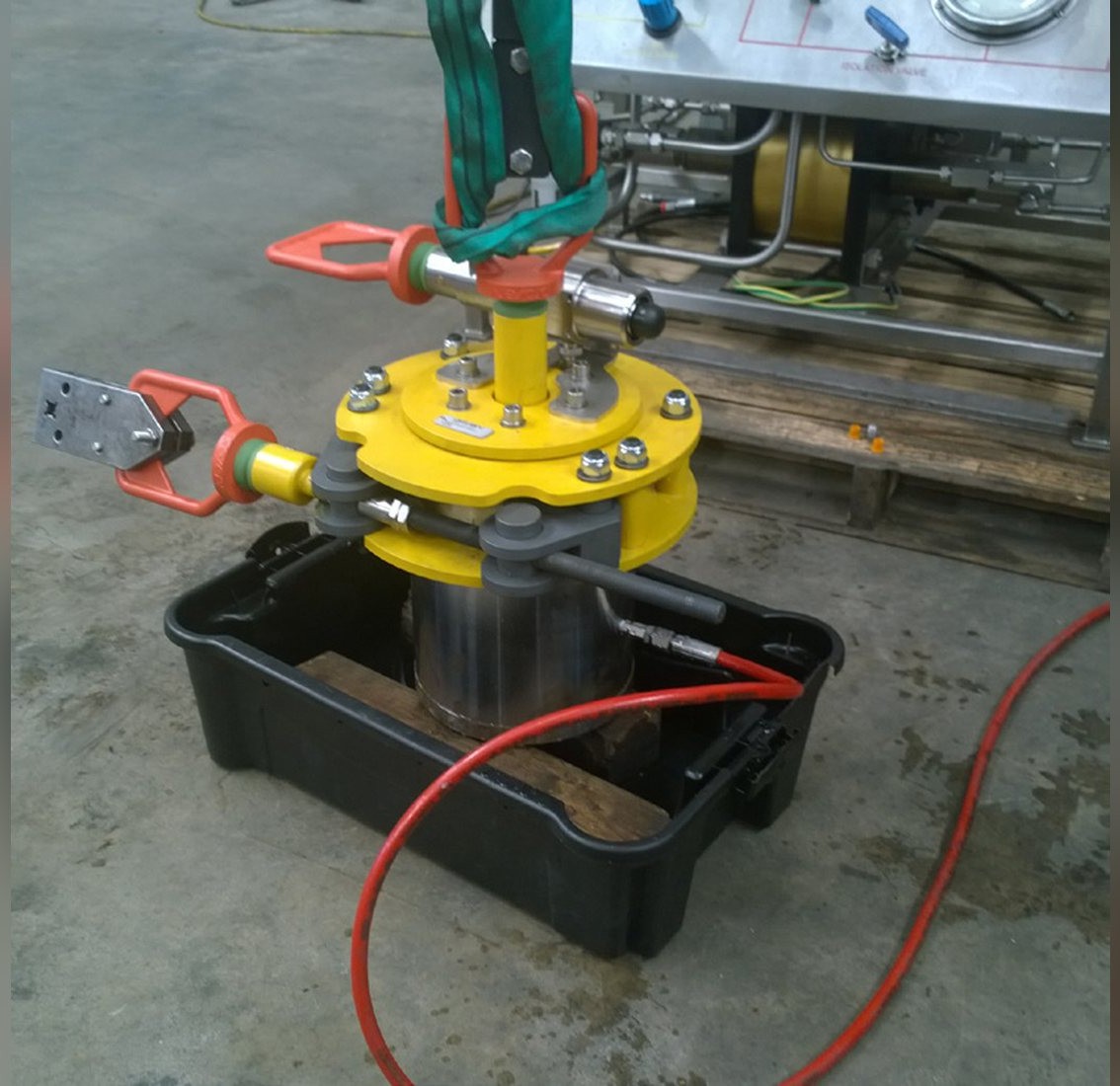
Where to Start
Nothing here requires a campaign-sized commitment to begin. Most long relationships we have started with something small, and the small thing is usually the honest test of whether we can assist you.
A feasibility opinion
An hour or two on whether what you are contemplating is sensible, with no obligation either way.
A FEED on one cut
The single cut on the campaign that worries you, rather than all of them.
One item on hire
With our engineer, so you can watch how we work before anything larger.
A concept study
Where the problem is real but the method is genuinely open.
Where a proven tool already covers the scope there is no reason to commission a new one, and on a single campaign against a fixed window hiring is usually the faster answer. Every item hires with its drawings, certification and test records, with or without our engineers running it.
See the rental fleet