Subsea & Offshore
Remotely Possible
For over 20 years, Blakemere has solved complex mechanical challenges in subsea and offshore environments where access is limited, conditions are unforgiving and conventional equipment falls short.
From bespoke ROV intervention tooling and subsea repair solutions to decommissioning equipment and specialist rental systems, we combine inventive mechanical engineering with practical offshore experience to make difficult operations possible.
Experience With Subsea Challenges
-
Stuck, seized or inaccessible
Connectors that won't release, obstructions that won't clear and equipment that cannot be accessed by conventional means.
-
Decommissioning without a clear removal method
Purpose-built cutting, recovery and intervention equipment for infrastructure never designed to be removed.
-
Repairing what wasn't designed to be repaired
Bespoke tooling and mechanical solutions to restore functionality without unnecessary retrieval or replacement.
-
Removing people from hazardous operations
Re-engineering complex tasks for execution by ROVs, remotely operated equipment or deck-based machinery.
-
Specialist tooling when it's needed
Proven rental equipment and contingency systems available to support planned campaigns and unexpected challenges.
-
Engineering support through deployment
From concept and detailed design to assembly, testing, mobilisation and offshore technical support.
Experience
Proven in Australia and Abroad
With an unbroken record using diamond wire saws offshore and subsea from 2009, Blakemere's team have performed pipeline and riser severance, conductor and casing recovery, mooring chain cutting, platform and jacket severance, and provided campaign contingency. Principally on the Australian shelf, with scopes in New Zealand, Papua New Guinea, Singapore, Malaysia, Indonesia, Vietnam, the Gulf of Thailand, Japan, the United Arab Emirates, Norway, the United Kingdom and the United States. Project references and a full scope history are available on request.
01Wellhead intervention, September 2025
A wellhead that had to be abandoned to current standards, and could not be until its sealing faces were restored. Three problems on one wellhead. A damaged sealing face, no way to seal below the damage, and no means of taking the riser load. The answer was an ROV-operated machining tool that re-machined the sealing face on the seabed, an internal sleeve carrying a modified gasket seal below the damage, and a connection system reacting 2,300 psi MASP alongside riser bending, tension and guidewire loading.
Read the case study02Caisson removal, eight weeks blank sheet to mobilised
A complete cutting and recovery package designed, manufactured, tested and mobilised in eight weeks. A bespoke diamond wire saw, a coupon catching and ejecting system so the cut section could be secured, a bespoke ROV skid to fly it to place, bespoke drill and pin tools, and a basket-mounted deployment frame. Fifty-two subsea cuts on the first campaign, zero issues.
Read the case study03Nine platforms removed in one campaign
Three unmanned tripod platforms and six unmanned monopod platforms removed in a single campaign. The cut locations, and the equipment required to reach them, had been identified in a FEED study we ran roughly ten years before the campaign mobilised.
Read the case study04Cutting support offshore Japan, 2010
A 1982 steel jacket with topside drilling and production modules, roughly 40 km offshore in Fukushima Prefecture, decommissioned with our subsea cutting support provided aboard the derrick barge. Saws covering 8 to 80 inches, through steel and through concrete-filled members.
Read the case studyWhy the Vessel Spread Matters More Than the Tool
Taking a task off divers and onto a work-class ROV does two things. It removes people from the water, and it often lets you take a smaller intervention vessel.
On one scope, a tool designed to replace a saturation diving campaign to reset slipped buoyancy modules on a dynamic riser did both, reducing safety risk to ALARP and enabling the use of a smaller vessel.
The campaign strategy can hinge on a bespoke tool's capabilities, which is why we approach design holistically to ensure the overall campaign is optimised ahead of delivering a lesser solution that doesn't realise the full potential.
Across the asset life
Three Places Subsea Intervention Is Usually Called In
Decommissioning
We support the full lifecycle of a decommissioning project. The FEED study that establishes where the cuts should be made and what equipment is needed to reach them, the diamond wire saws and severance tooling that make them, the systems that contain debris and contamination, and the lifting and recovery devices that bring the section back to the deck.
On the largest platform removal campaign undertaken in Australian waters, the cut locations and the equipment to reach them were settled in a FEED we ran roughly ten years before the campaign mobilised.
DecommissioningOperations Support
Keeping producing assets safe and available through their operating life, without a shutdown where one can be avoided.
Our refined process for moving rapidly from whiteboard sketch to qualified tool means an integrity problem found offshore can be resolved quickly. Supported by our Testing and Qualification Centre, we can accelerate essential test activities on one site rather than passing between vendors who each manage only their own interface while the asset sits at risk. Pressure-retaining and environmental plugs, sealing repairs and bespoke intervention tooling are developed and thoroughly proven before mobilisation to reduce execution risk offshore.
Operations SupportOffshore and On-site Support
The equipment is only half of a campaign. Ticketed, trained and experienced engineers and technicians mobilise with it and operate or supervise it in the field, so the people who built the tool are the people standing next to it when it runs.
Support extends to the unglamorous half of the spread as well. Offshore workshop containers, hydraulic power units, spoolers and control stands are available for hire or purchase alongside the crew, and the same standing team that runs a planned IMR campaign can be drawn on for an unplanned emergency callout.
Rentals
A Selection of the Subsea Tooling We Build
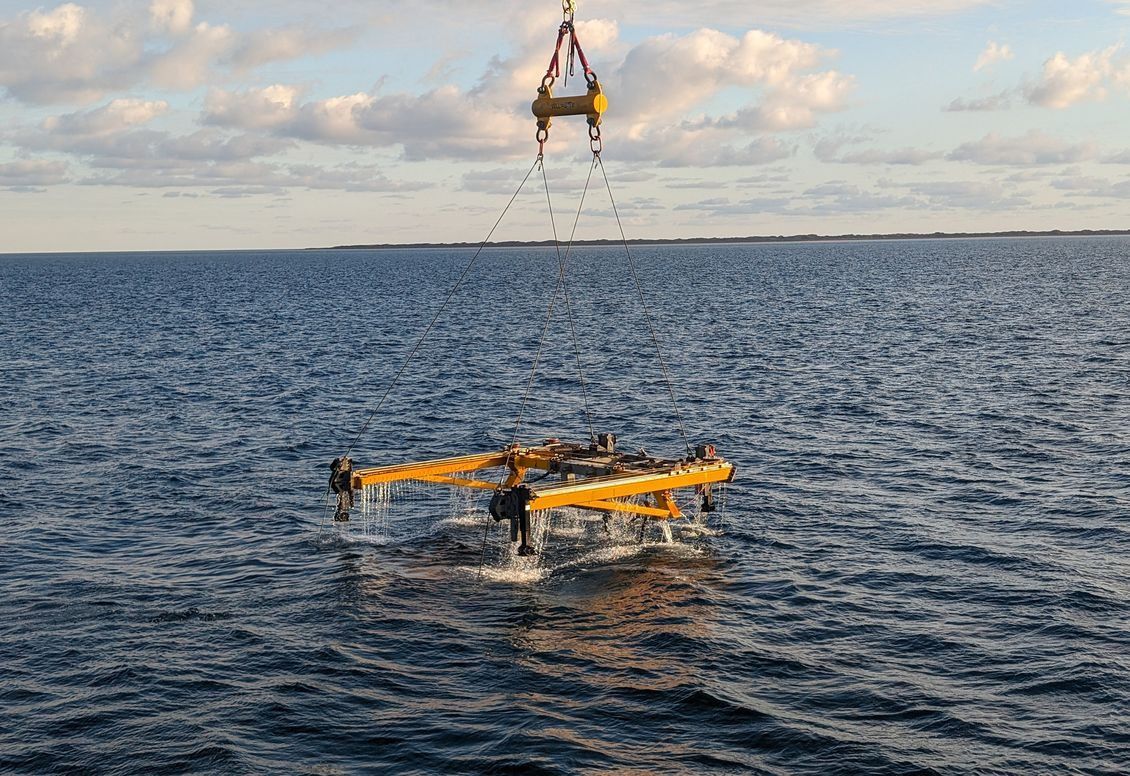
Blakemere provides a range of standard and bespoke subsea tooling, often emerging from a prior project to solve what started as a one-off issue. Enquire to engage with our engineering team and receive expert advice on which system suits your challenge.
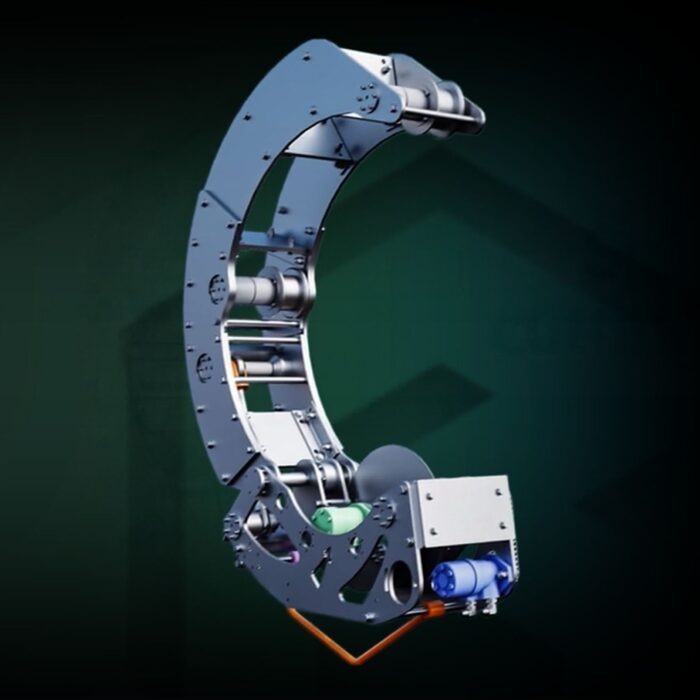
Specialist Cutting Tools
Built to the cut
Constrained access, unconventional materials or uncompromising specification? A specialist adaptation of an existing tool or a bespoke new-build may be the answer.
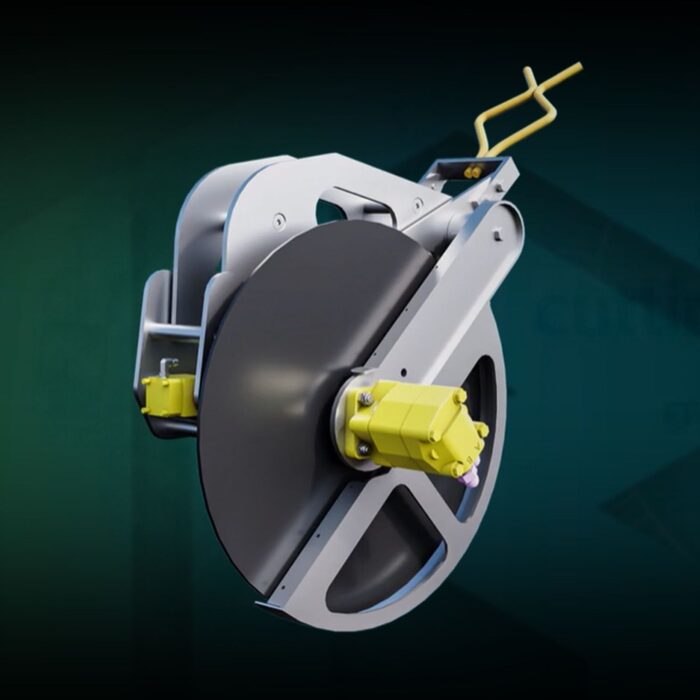
Friction Cutters
Structures, pipes, chains
Friction disc cutting, adapted across a wide range of bespoke applications.
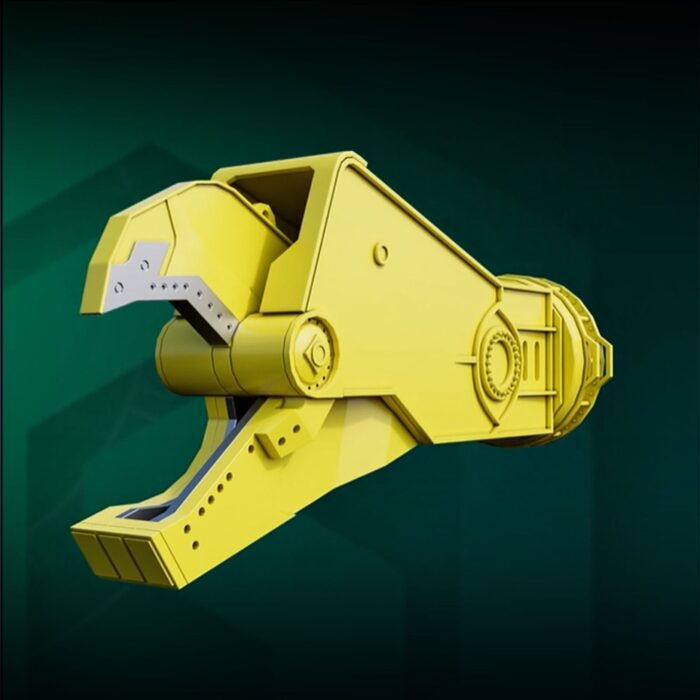
Shears
Subsea
Subsea shears and subsea grapples, for severing and for holding what has been severed.
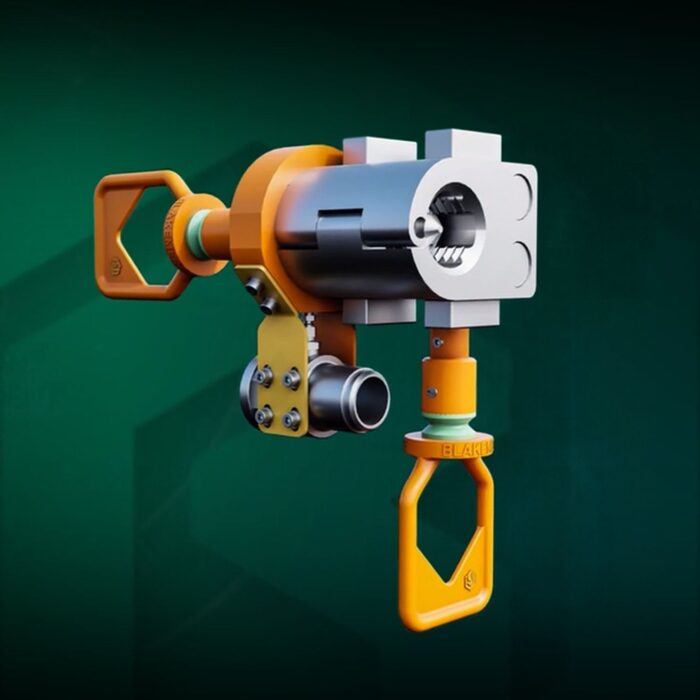
Plugs
High and low pressure
Sealing against eroded bores, concrete bores and seam-welded pipe, including non-circular. Many designs carry integral retention clamps and back-seal test capability.
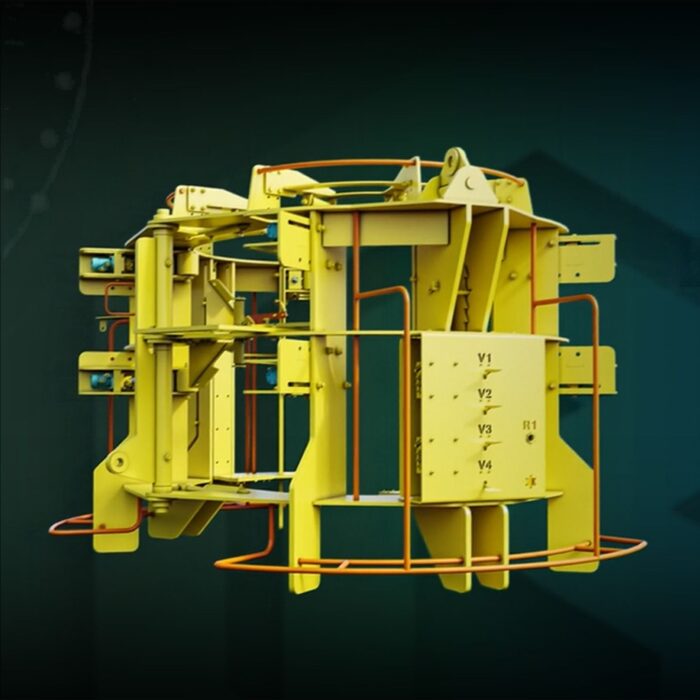
Buoyancy Removal Tool
Distributed buoyancy
Returns modules to the surface safely whatever their orientation or their proximity to the next one. Installation subsea as well.
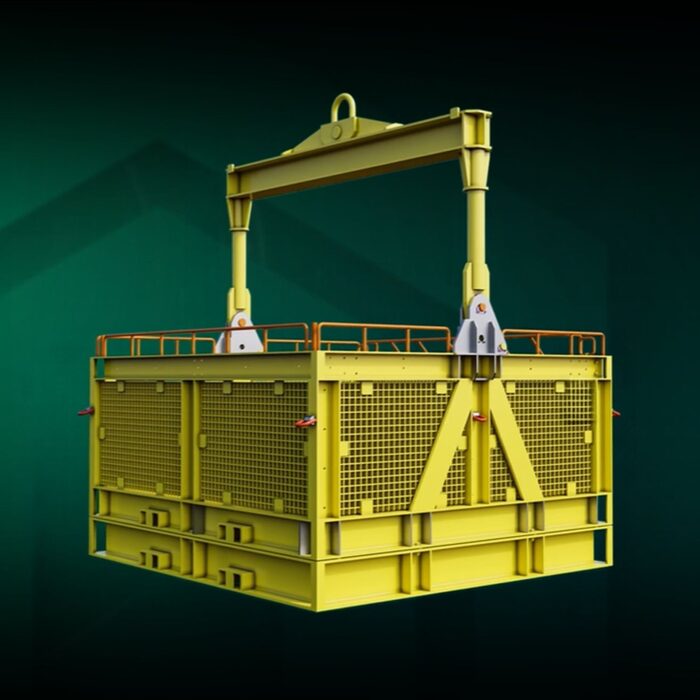
Baskets
Deployment and recovery
Deployment frames and recovery containment, including basket-mounted frames that carry a tool to the work location.
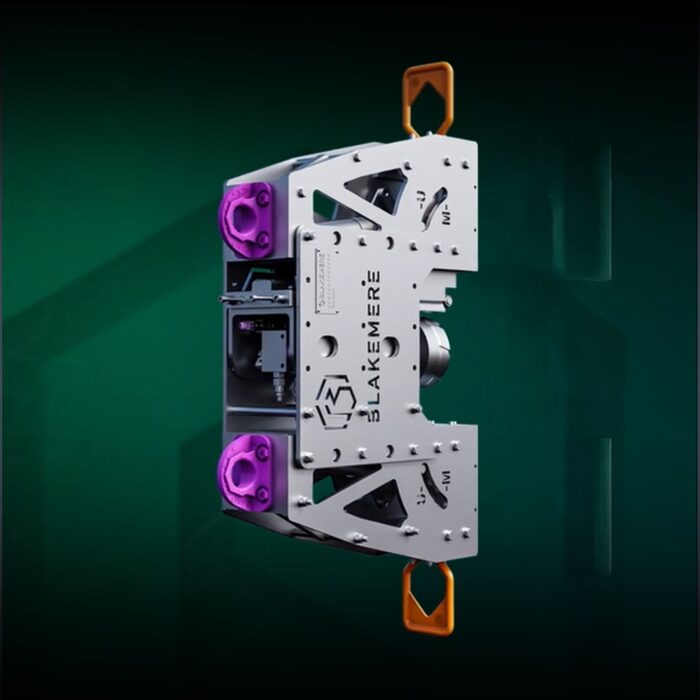
Subsea Drills
Drill and pin
Bespoke drill and pin tools, developed as part of complete cutting and recovery packages.
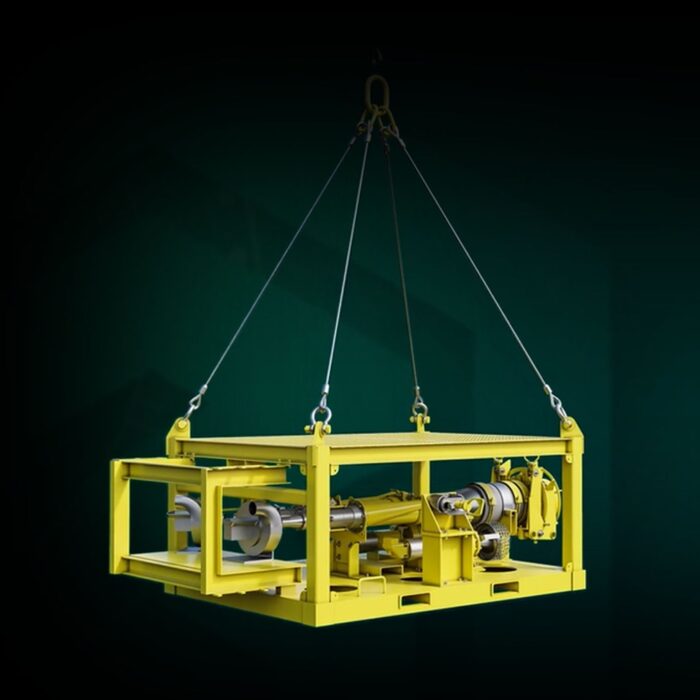
Dredges
Below the mudline
Excavation to expose members and work locations that sit under the seabed.
Common Questions About Subsea and Offshore Work
Can you design and fabricate equipment from scratch, or do you work from client-supplied designs?
Both. We take projects from initial concept through front-end engineering, detailed design, fabrication, assembly, testing, and offshore deployment. We can also fabricate to client-supplied drawings. Most of our work starts with a problem statement rather than a design package.
What cutting equipment do you carry and how large a structure can you cut?
We hold the largest suite of subsea cutting equipment in the Southern Hemisphere across both scale and quantity, from the DWS0814 (ROV-deployable, 14″ capacity) up to the DWS155. Past that the spread is built to the cut, and a DWS9000 arrangement carries a nine-metre capacity for RTMs, DTMs and suction piles.
What management system certifications do you hold?
Blakemere Engineering operates within a business management system certified to ISO 9001, ISO 14001 and ISO 45001, audited annually by DNV.
We have worked with major operators and vessel operators in the Australian region.
What documentation is issued with the equipment?
Documentation, traceability and test records are produced as part of our integrated quality management system.
- Design records, including calculations, analysis and design review records issued with the hardware
- Test records, including FAT and integration test procedures and results, witnessed where you need them witnessed
- Materials and traceability carried through fabrication into the as-built package
- Operating documentation written for the crew who will run the tool
How work is contracted, as a discrete package or under a standing services agreement, is set out on the capabilities page.
What water depths can your tooling work at?
Depth rating is set tool by tool. Our Class 5 Torque Tool, for example, is rated to 3,000 msw and the Tronic and Hot Stab Extraction Tool to 1,000 msw. Bespoke tooling is designed to the depth of the asset it works on.
Is your tooling ROV-operated, diver-operated or both?
Both. Most of our offshore tooling is designed for work-class ROV deployment and interfaces to ISO 13628-8. Diver-operated and topside arrangements are built where the scope calls for them. The cut selector on the Rentals page narrows our saws by ROV, diver, deck crane or topside deployment.
What if the vessel cannot supply hydraulic power to the tooling?
Vessel ring mains are often committed to other systems, unavailable on vessels of opportunity, or unable to deliver the flow and pressure subsea tooling needs. Our diesel HPU and Zone 2 electric HPU supply the tooling independently of the vessel.
Do you work outside Australian waters?
Yes. Our decommissioning work alone has covered New Zealand, Papua New Guinea, Singapore, Malaysia, Indonesia, Vietnam, the Gulf of Thailand, Japan, the United Arab Emirates, Norway, the United Kingdom and the United States.