Nine Platforms, and the FEED We Ran Ten Years Earlier
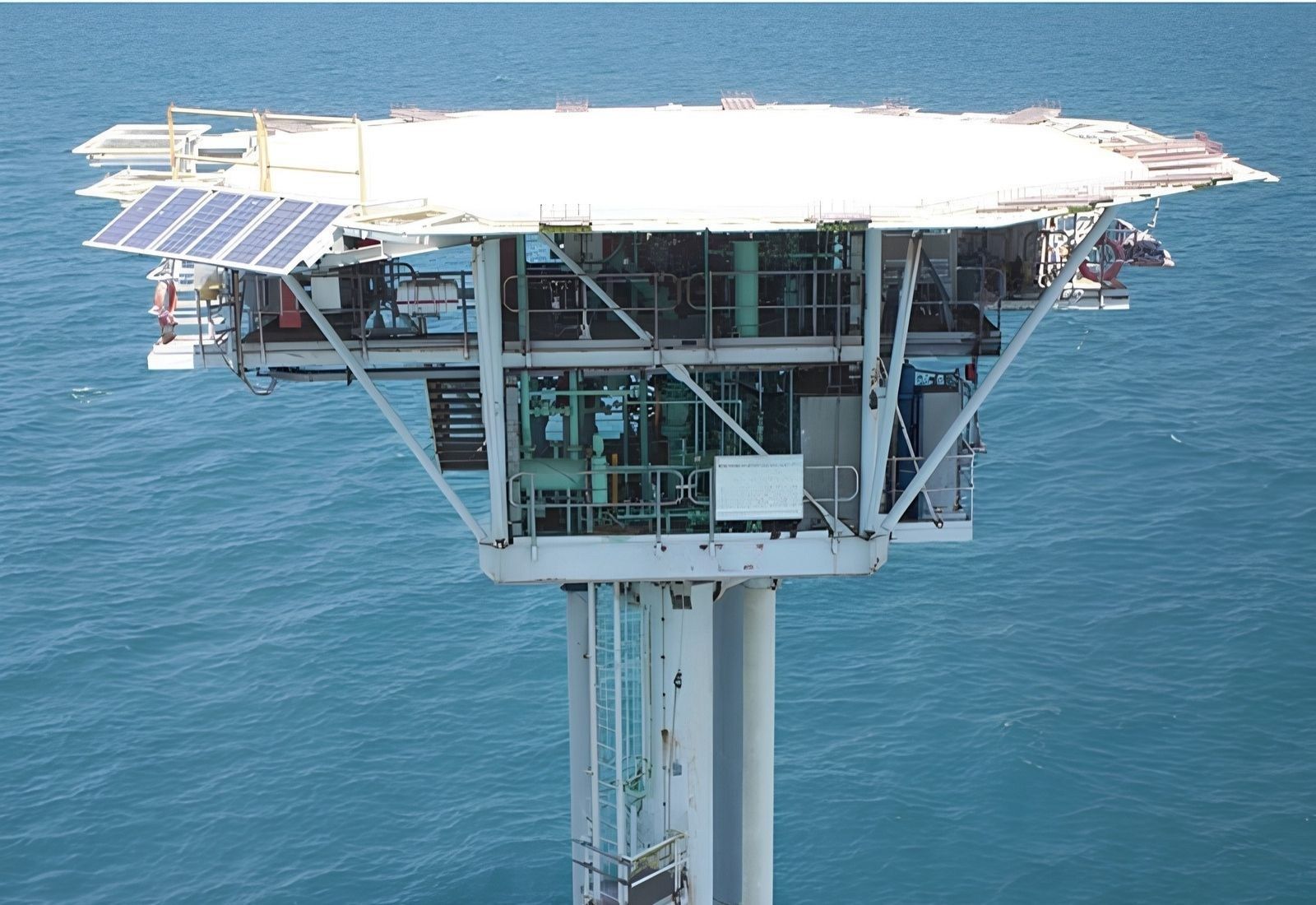
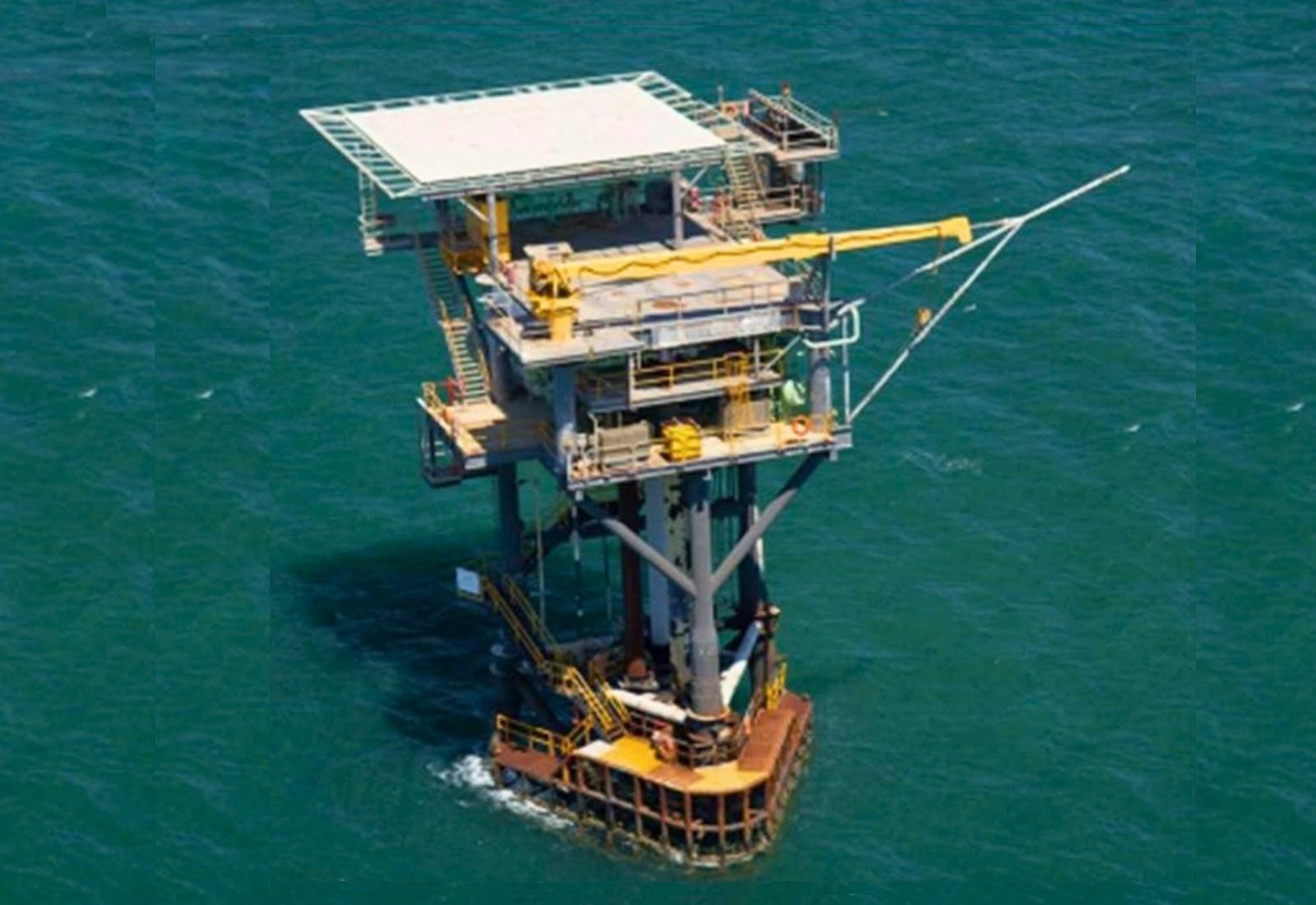
Three unmanned tripod platforms and six unmanned monopods, removed in a single campaign off Thevenard Island. The cut locations, and the equipment needed to reach them, had been settled in a FEED study we ran roughly a decade before the campaign mobilised.
- Client
- Linchpin Bhagwan, for Chevron
- Location
- Thevenard Island, North West Shelf, WA
- Scope
- Nine platforms, one campaign
- Sector
- Decommissioning
- 3 + 6 Tripod and monopod platforms, one campaign
- 10 yrs Between our FEED and the campaign it set the method for
- 155″ Largest diamond wire cut, above and below the waterline
- 4 Saws from the fleet, sized across the cut list
The problem
Nine unmanned platforms, three of them tripod jackets and six of them monopods, all to come out in one mobilisation. A campaign of that size is won or lost on the cut list rather than on the cutting. Every member has to be reachable by a saw that can be positioned against it and held there, and finding out otherwise with a vessel on day rate is the expensive way to learn it.
What the FEED settled
The method was not worked out during the campaign. Roughly ten years earlier we ran a FEED study across the same structures that identified where the cuts would fall and what equipment would be needed to reach them. When the campaign was finally let, the cut list and the spread it implied were already known quantities.
That is the argument for a FEED on any cut that looks critical or unusual, and it is the one piece of engineering on a decommissioning programme that is always cheaper before the vessel is booked than after. See decommissioning.
The awkward cut
The largest single cut on the campaign was 155 inches, on a monopod with a tripod base, and it had to be made both above and below the waterline. The saw was installed at the mud mat of the jacket and augmented with an interface frame that positioned it precisely at the cut location and clamped on for stability.
An interface frame is not a generic accessory. It is drawn against the member it has to sit on, which is only possible when the requirement has been reviewed and the equipment developed against it beforehand. That is the same FEED, ten years on, still doing work.
The spread
Four saws from the diamond wire fleet covered the cut list, sized across the range rather than forcing every member onto one machine. The Thevenard Island field had also had its flexible flowlines severed in an earlier campaign, so by the time the platforms came out the method on that field was well understood. Project references for both campaigns are available on request.
DecommissioningHave Something With the Same Shape?
If the constraint above looks like yours, ring us and ask how it went. That is a shorter conversation than a capability statement.
Start a Conversation