Case Studies
Problems Like Yours, Already Solved
Real examples of a customer with a problem, our engineers working alongside them, and a solution that improved efficiency, safety, environmental outcome or turnaround.
Case Studies
Browse by Sector
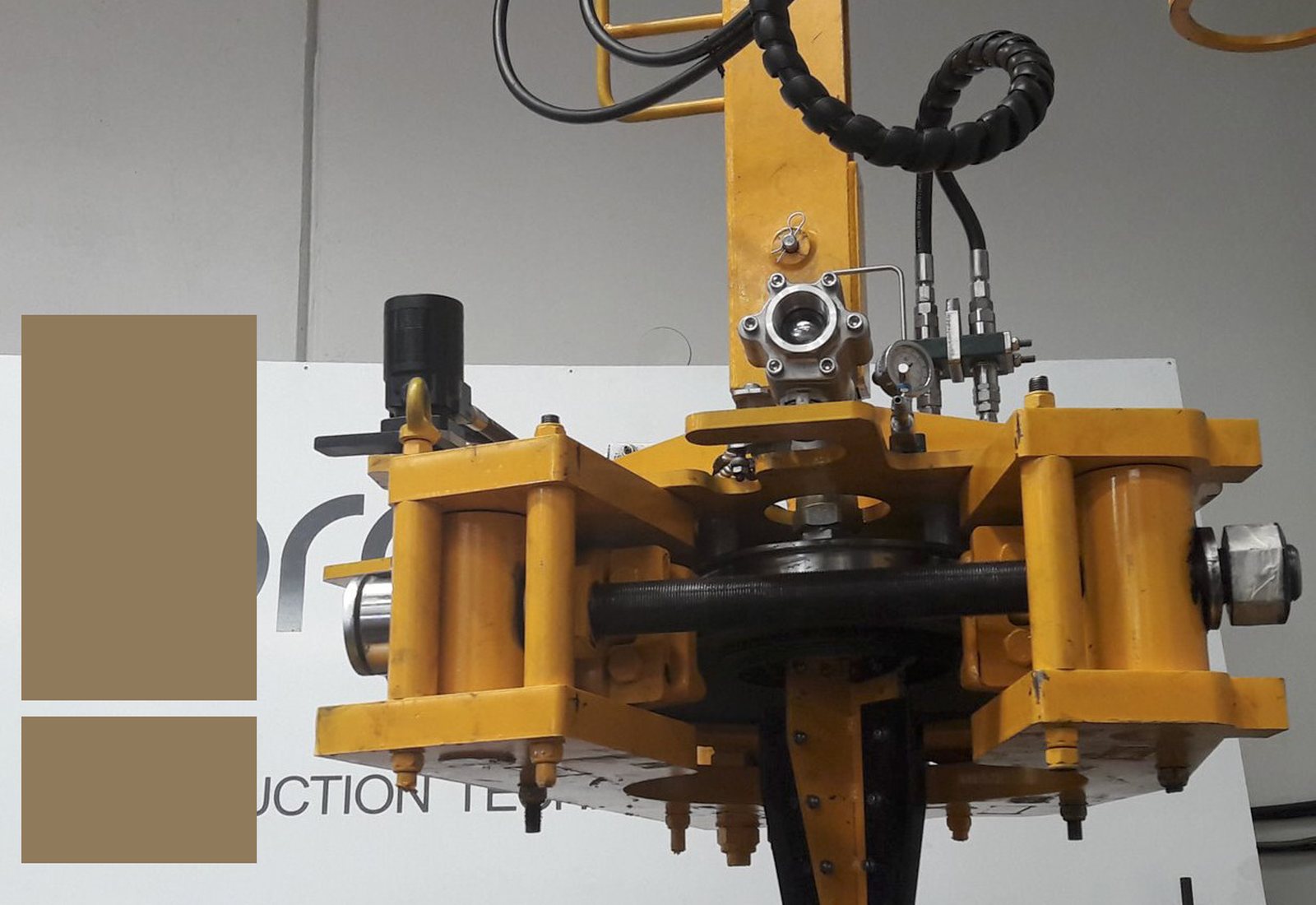 Subsea & Offshore
Taking People Off the Highest-Risk Job on the Vessel
An operator’s cyclone disconnect procedure put people alongside an open production bore in a confined space. We replaced them with a tool, ahead of the season.
Read the case study
Subsea & Offshore
Taking People Off the Highest-Risk Job on the Vessel
An operator’s cyclone disconnect procedure put people alongside an open production bore in a confined space. We replaced them with a tool, ahead of the season.
Read the case study
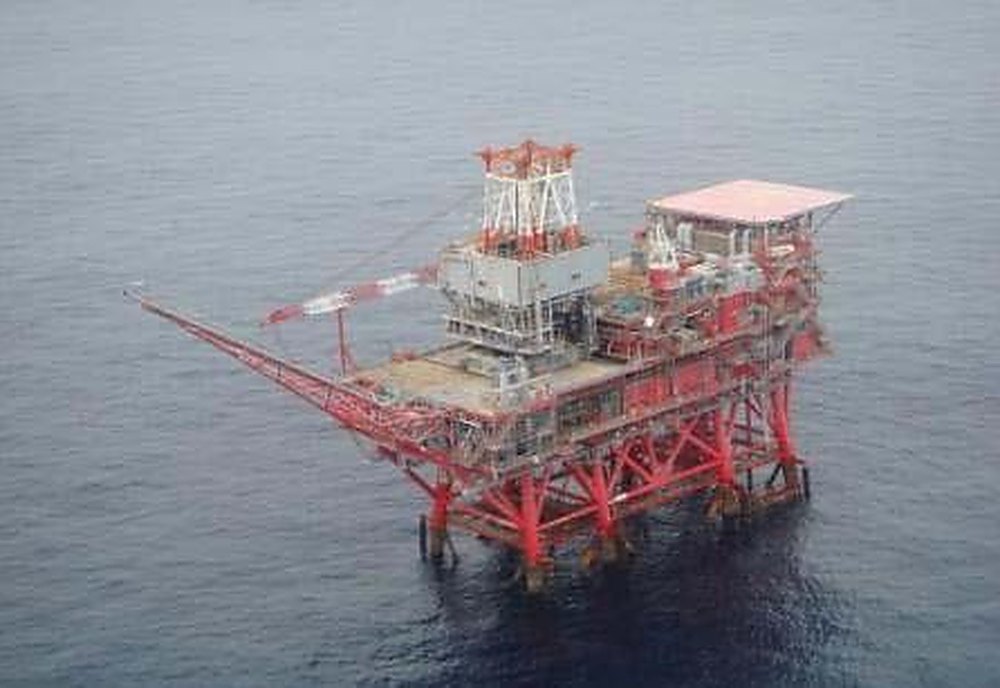 Decommissioning
Eight Legs, 154 Metres of Water, 20,000 Tonnes
Every cut carried the weight of what was still standing above it. The wire had to work in a kerf trying to close on it, and that had to be known before the vessel sailed.
Read the case study
Decommissioning
Eight Legs, 154 Metres of Water, 20,000 Tonnes
Every cut carried the weight of what was still standing above it. The wire had to work in a kerf trying to close on it, and that had to be known before the vessel sailed.
Read the case study
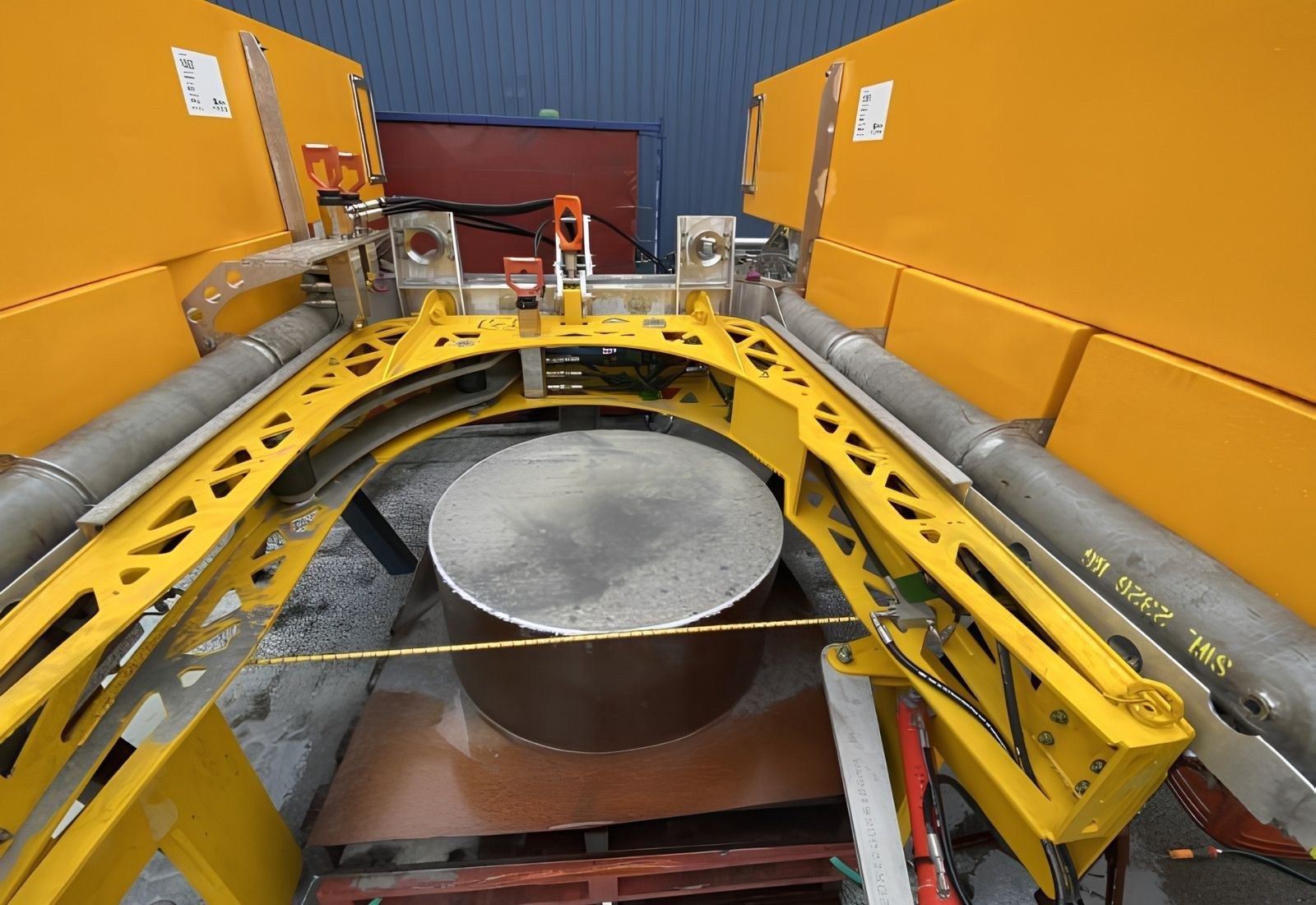 Subsea & Offshore
Fifty-Two Cuts on a Tool That Did Not Exist Two Months Earlier
A complete caisson cutting and recovery package, blank sheet to mobilised in eight weeks, because one party held every element of it.
Read the case study
Subsea & Offshore
Fifty-Two Cuts on a Tool That Did Not Exist Two Months Earlier
A complete caisson cutting and recovery package, blank sheet to mobilised in eight weeks, because one party held every element of it.
Read the case study
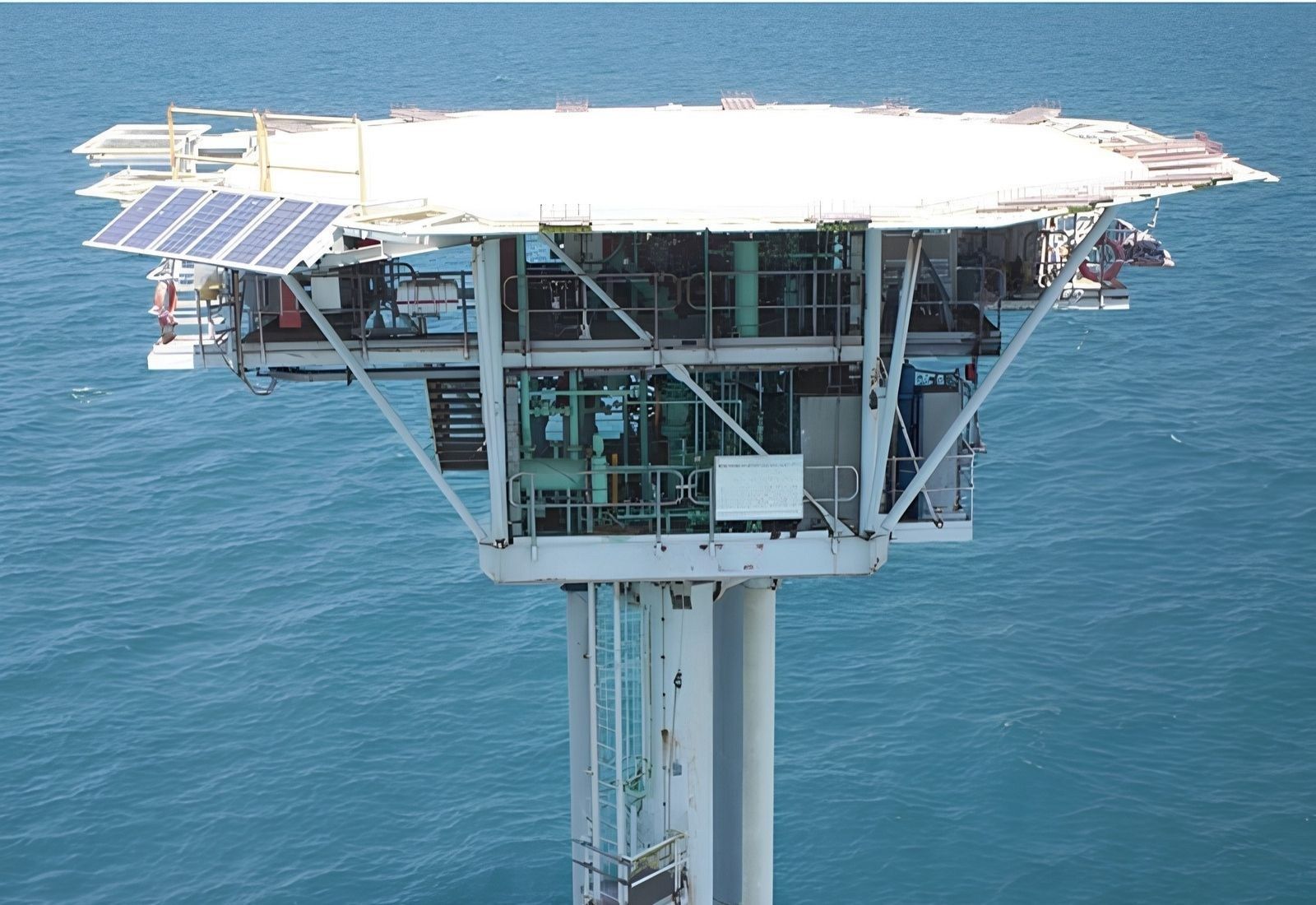 Decommissioning
Nine Platforms, and the FEED We Ran Ten Years Earlier
Three tripod jackets and six monopods in one campaign, on a cut list settled a decade earlier. The expensive way to learn a saw will not fit is with a vessel on day rate.
Read the case study
Decommissioning
Nine Platforms, and the FEED We Ran Ten Years Earlier
Three tripod jackets and six monopods in one campaign, on a cut list settled a decade earlier. The expensive way to learn a saw will not fit is with a vessel on day rate.
Read the case study
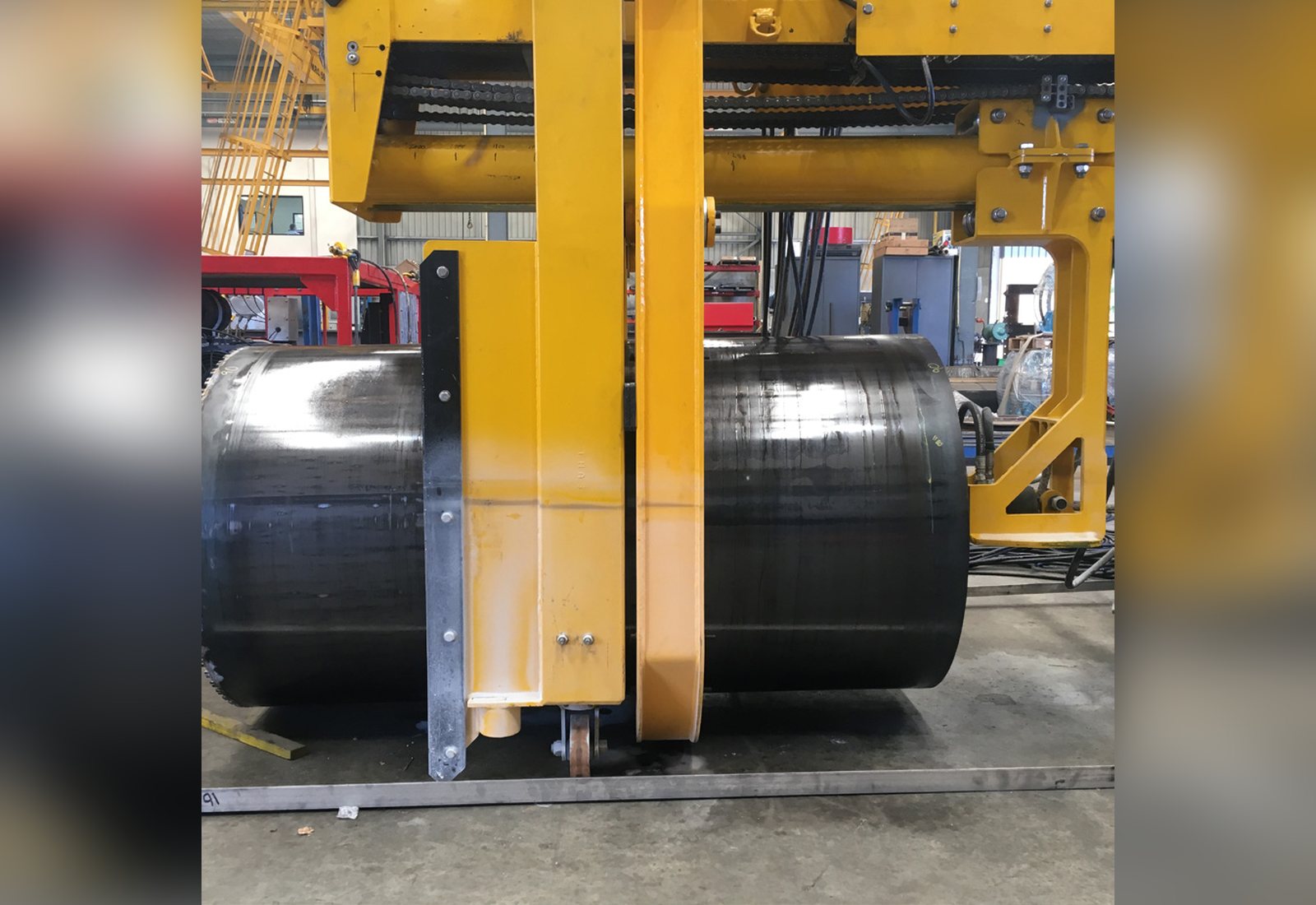 Marine & Civil
One Metre Through 1.8 Metres of 1903 Concrete
A civil EPC contractor needed a one-metre hole drilled underwater through a heritage dam wall, to ±10 mm, without putting anything into Perth’s drinking water. Nothing off the shelf was close.
Read the case study
Marine & Civil
One Metre Through 1.8 Metres of 1903 Concrete
A civil EPC contractor needed a one-metre hole drilled underwater through a heritage dam wall, to ±10 mm, without putting anything into Perth’s drinking water. Nothing off the shelf was close.
Read the case study
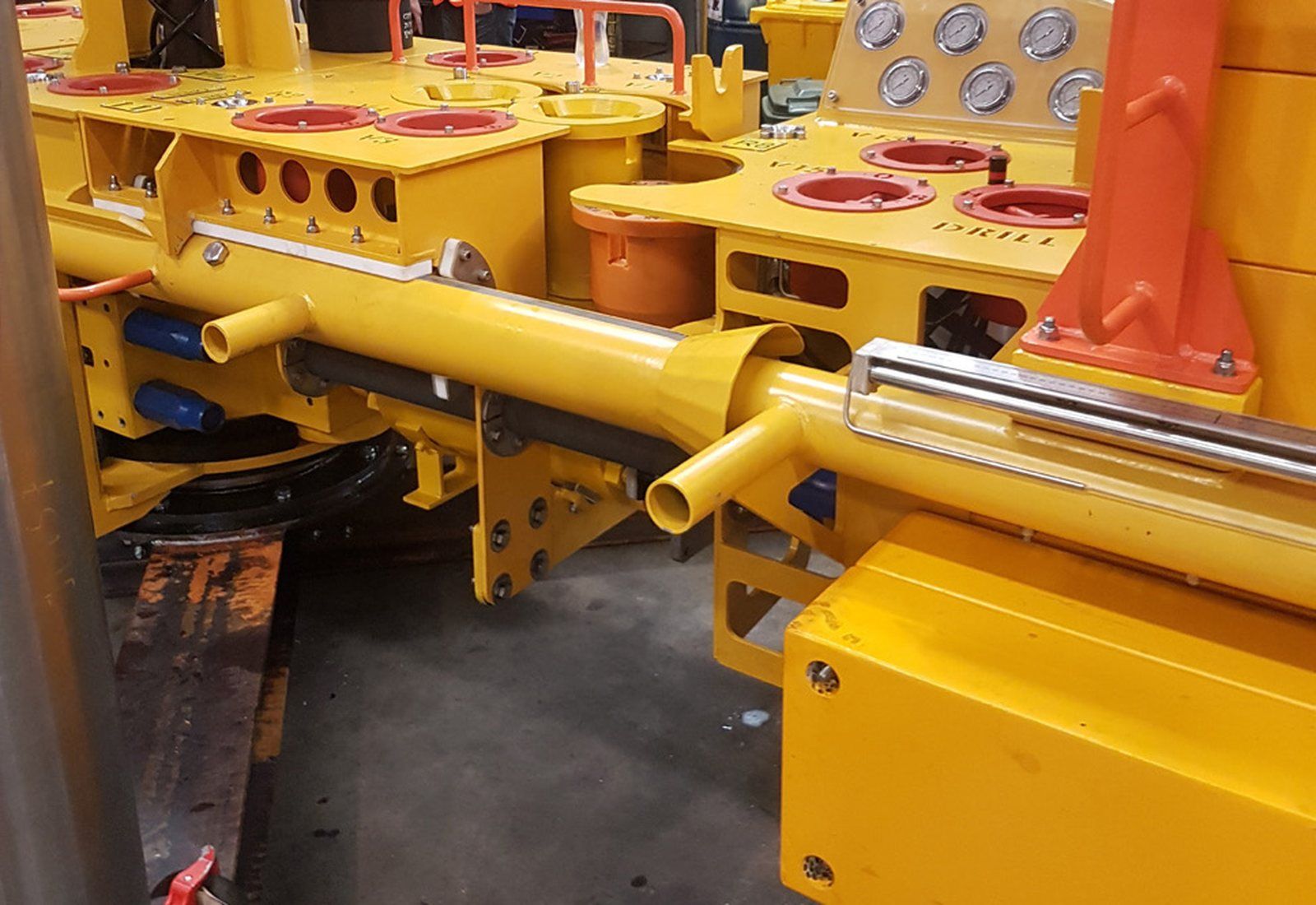 Subsea & Offshore
Sampling a Well Without Opening It
Two appraisal wells drilled in 1969 had to have their plugging verified before the caps came off. Land-based hot tapping is routine. Doing it subsea, through a well cap, by ROV alone, was not.
Read the case study
Subsea & Offshore
Sampling a Well Without Opening It
Two appraisal wells drilled in 1969 had to have their plugging verified before the caps came off. Land-based hot tapping is routine. Doing it subsea, through a well cap, by ROV alone, was not.
Read the case study
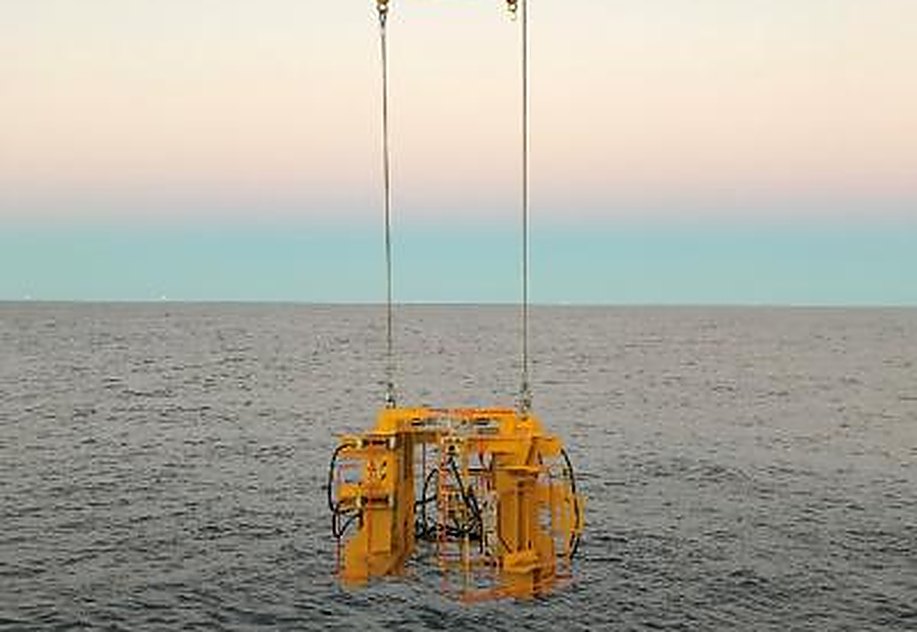 Decommissioning
Four Hundred and Fifty Buoyancy Modules, No Two the Same
A tool built for one module size would have been useless. What was needed was one chassis that could take every variant on the field, including the ones jammed together.
Read the case study
Decommissioning
Four Hundred and Fifty Buoyancy Modules, No Two the Same
A tool built for one module size would have been useless. What was needed was one chassis that could take every variant on the field, including the ones jammed together.
Read the case study
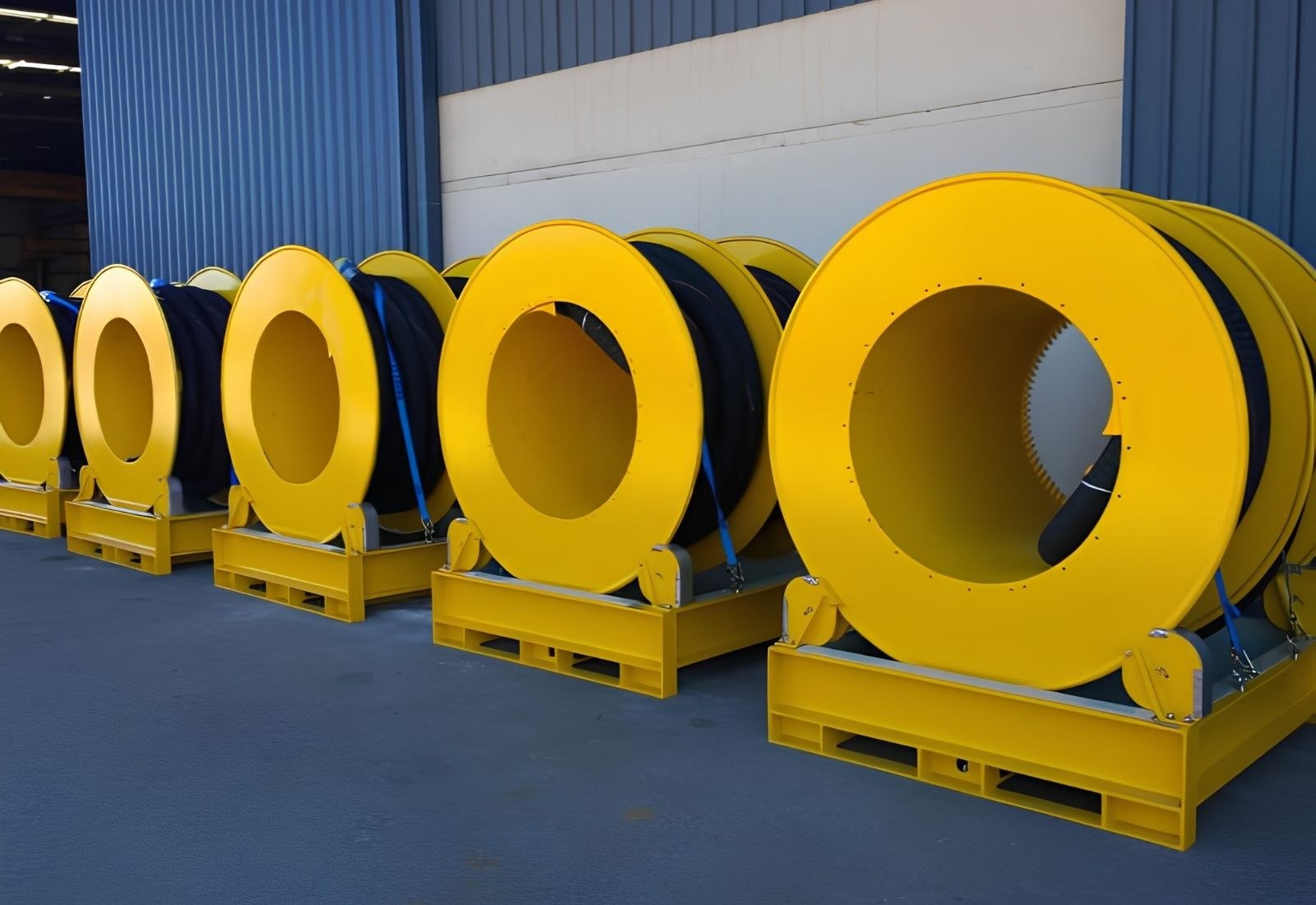 Energy
Taking the Cranes Out of Chemical Bunkering
Four-inch chemical hoses were being lifted over a vessel’s gunwale by mobile crane and by hand. We replaced the method with a modular reel system a forklift can reconfigure.
Read the case study
Energy
Taking the Cranes Out of Chemical Bunkering
Four-inch chemical hoses were being lifted over a vessel’s gunwale by mobile crane and by hand. We replaced the method with a modular reel system a forklift can reconfigure.
Read the case study
 Subsea & Offshore
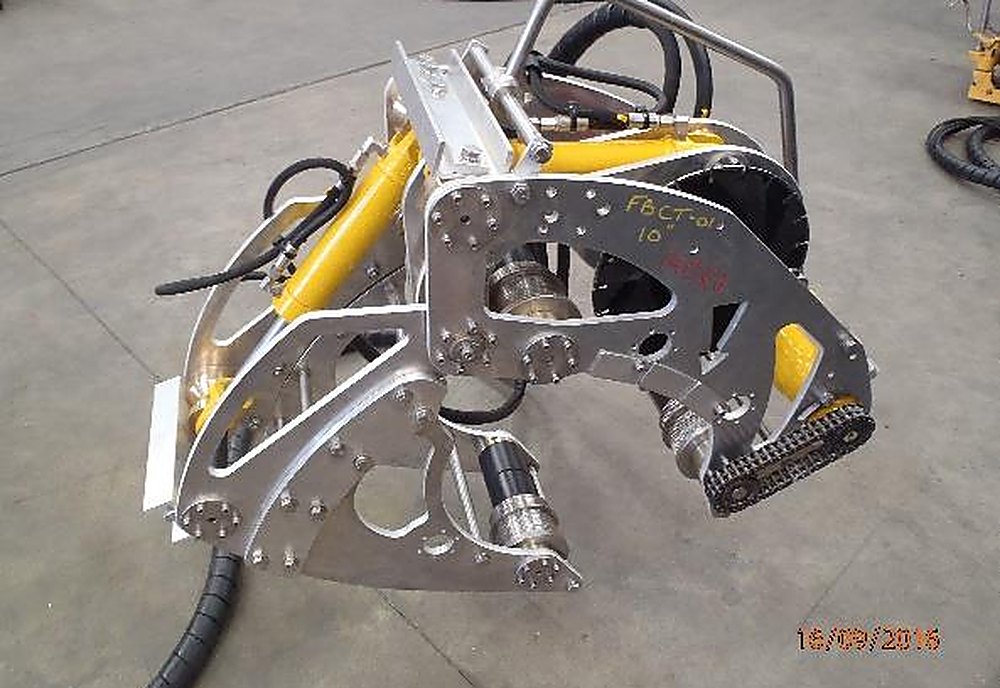
Shaving the Studs Off a Flange You Must Not Mark
The tool had to cut the studs off a flange without touching the flange, on tubes close enough together that there was no room to work around them.
Read the case study
Subsea & Offshore
Shaving the Studs Off a Flange You Must Not Mark
The tool had to cut the studs off a flange without touching the flange, on tubes close enough together that there was no room to work around them.
Read the case study
 Subsea & Offshore
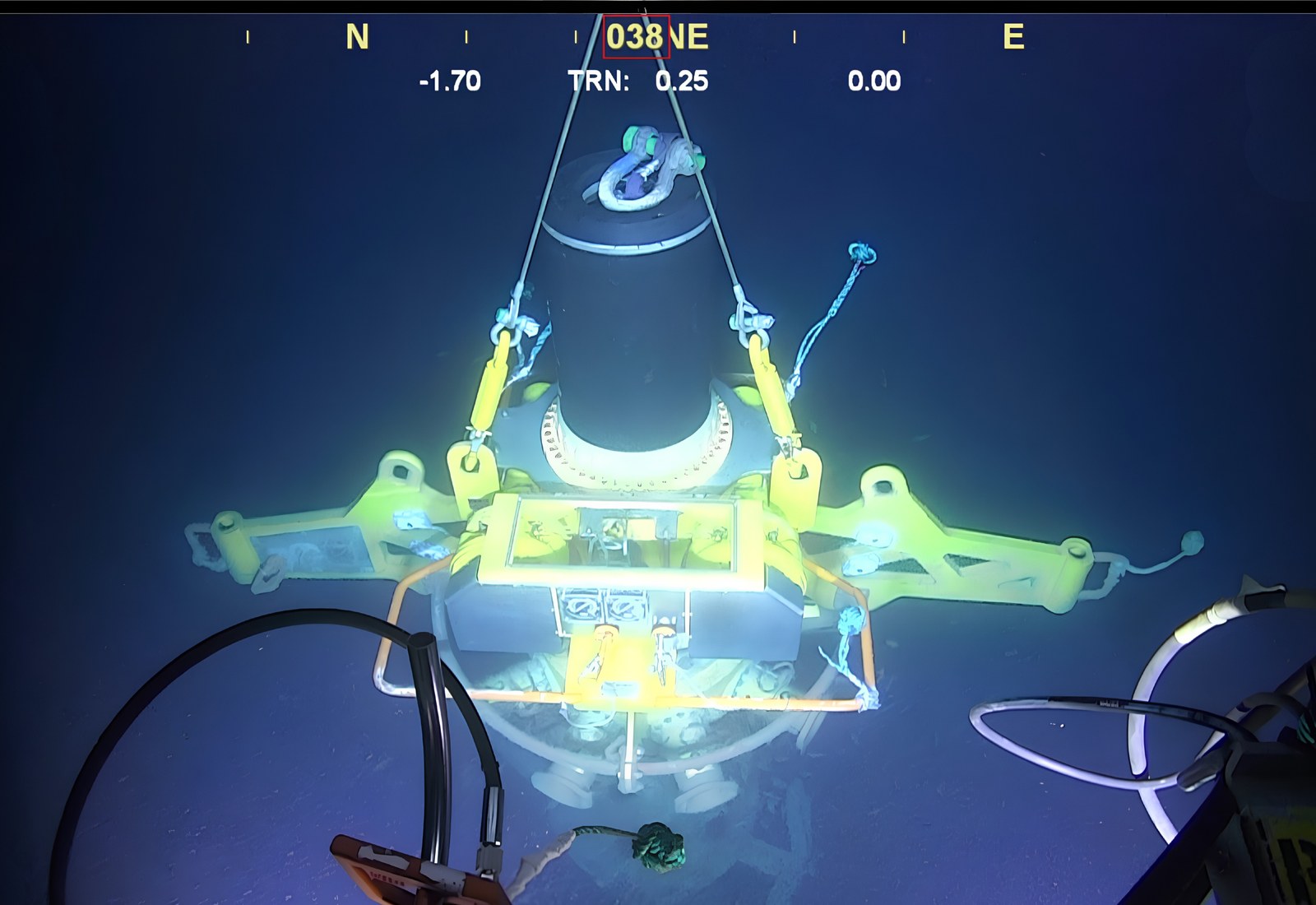
Re-Machining a Wellhead Sealing Face on the Seabed
Corrosion across both housings, mechanical damage to the 13-inch, and no survey. Three tools were built to tolerate the unknown rather than assume it away.
Read the case study
Subsea & Offshore
Re-Machining a Wellhead Sealing Face on the Seabed
Corrosion across both housings, mechanical damage to the 13-inch, and no survey. Three tools were built to tolerate the unknown rather than assume it away.
Read the case study
 Subsea & Offshore
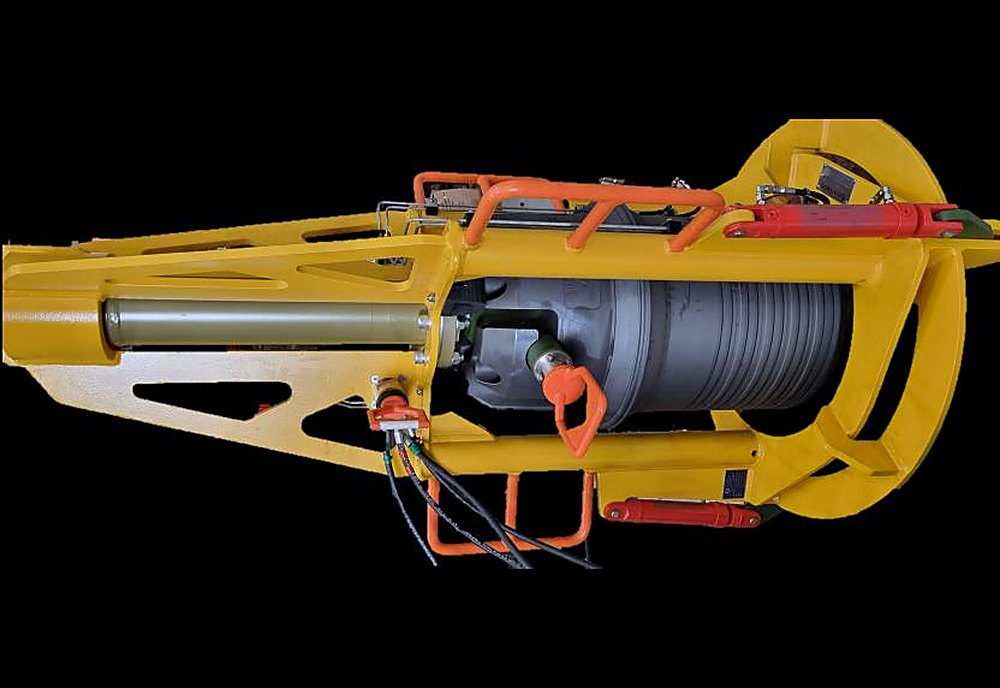
A Sealing Face You Cannot Repair, on a Well You Still Have to Enter
A damaged AX face is a hard thing to repair subsea and a harder thing to prove. The sleeve makes a new seal somewhere you can test before you commit to it.
Read the case study
Subsea & Offshore
A Sealing Face You Cannot Repair, on a Well You Still Have to Enter
A damaged AX face is a hard thing to repair subsea and a harder thing to prove. The sleeve makes a new seal somewhere you can test before you commit to it.
Read the case study
 Subsea & Offshore
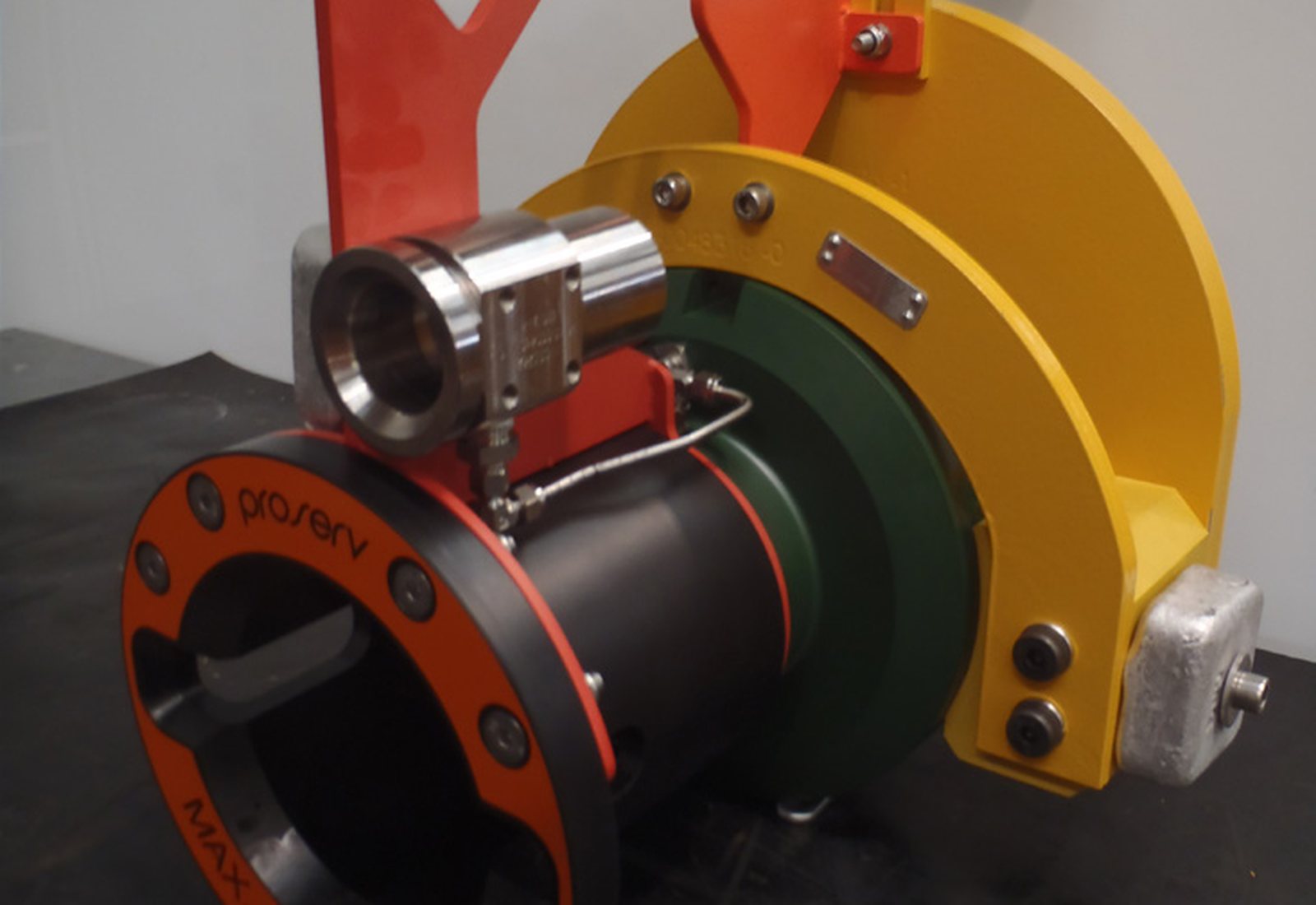
Reacting 2.5 Tonnes With Nothing to Hang On To
A sample of steel spool had to come out of a PLEM during decommissioning, and the double barrier had to be re-established at the cut. There were no features left to grip.
Read the case study
Subsea & Offshore
Reacting 2.5 Tonnes With Nothing to Hang On To
A sample of steel spool had to come out of a PLEM during decommissioning, and the double barrier had to be re-established at the cut. There were no features left to grip.
Read the case study
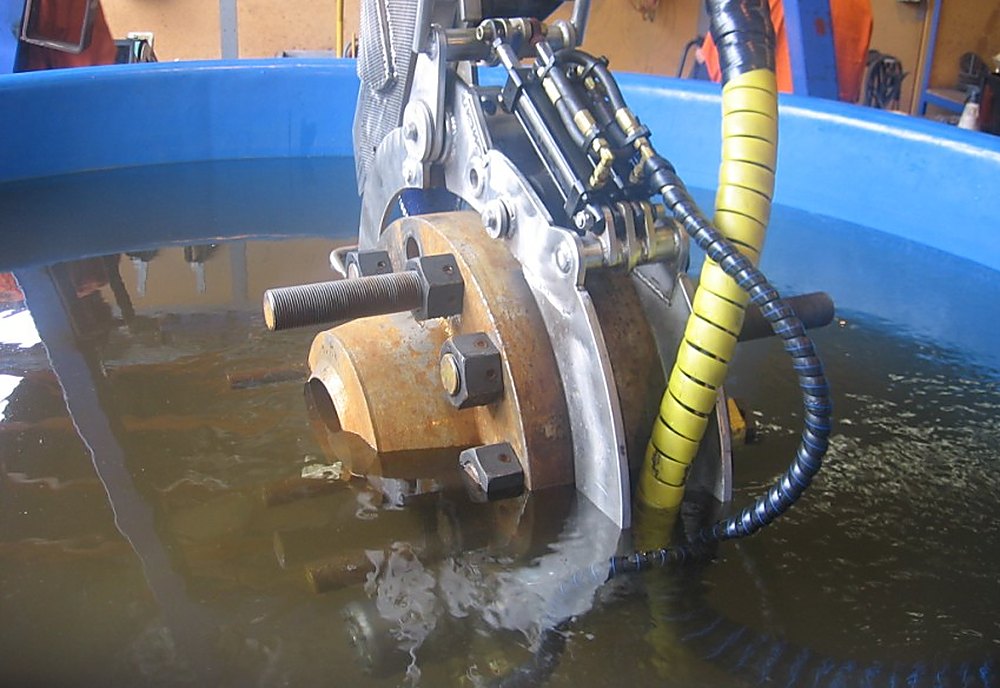 Subsea & Offshore
Twelve Two-Inch Bolts at 830 Metres
The tool existed. The flange was bigger than the tool. What made the dive short was finding that out in a tank rather than at 830 metres.
Read the case study
Subsea & Offshore
Twelve Two-Inch Bolts at 830 Metres
The tool existed. The flange was bigger than the tool. What made the dive short was finding that out in a tank rather than at 830 metres.
Read the case study
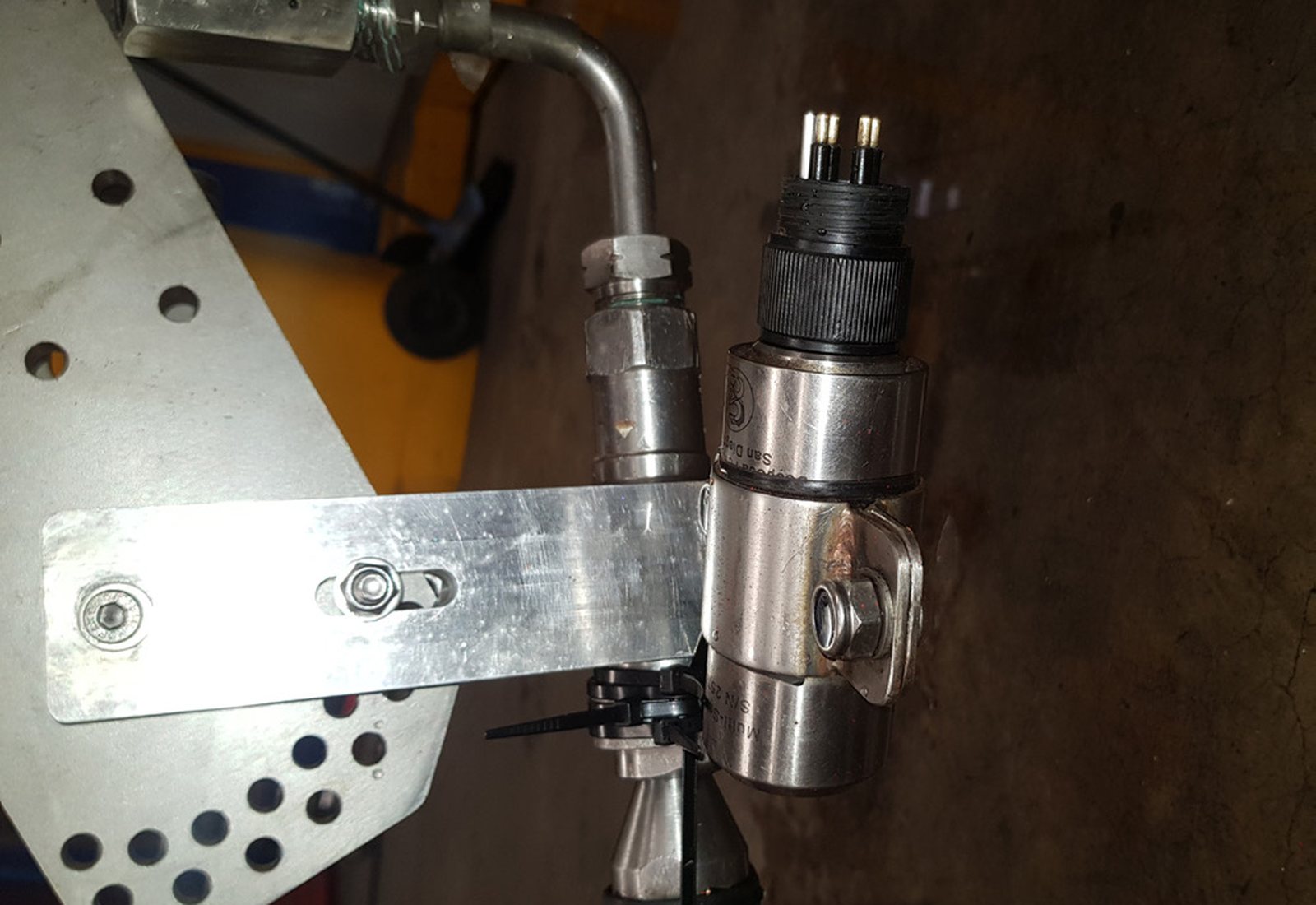 Subsea & Offshore
Cleaning a Flange to Bare Steel Without a Diver or an ROV
A bend stiffener clamp needed bare steel to land on, at the bottom of an I-tube under an STL buoy. Everything had to be run from the deck of the FPSO, and everything had to be Zone II.
Read the case study
Subsea & Offshore
Cleaning a Flange to Bare Steel Without a Diver or an ROV
A bend stiffener clamp needed bare steel to land on, at the bottom of an I-tube under an STL buoy. Everything had to be run from the deck of the FPSO, and everything had to be Zone II.
Read the case study
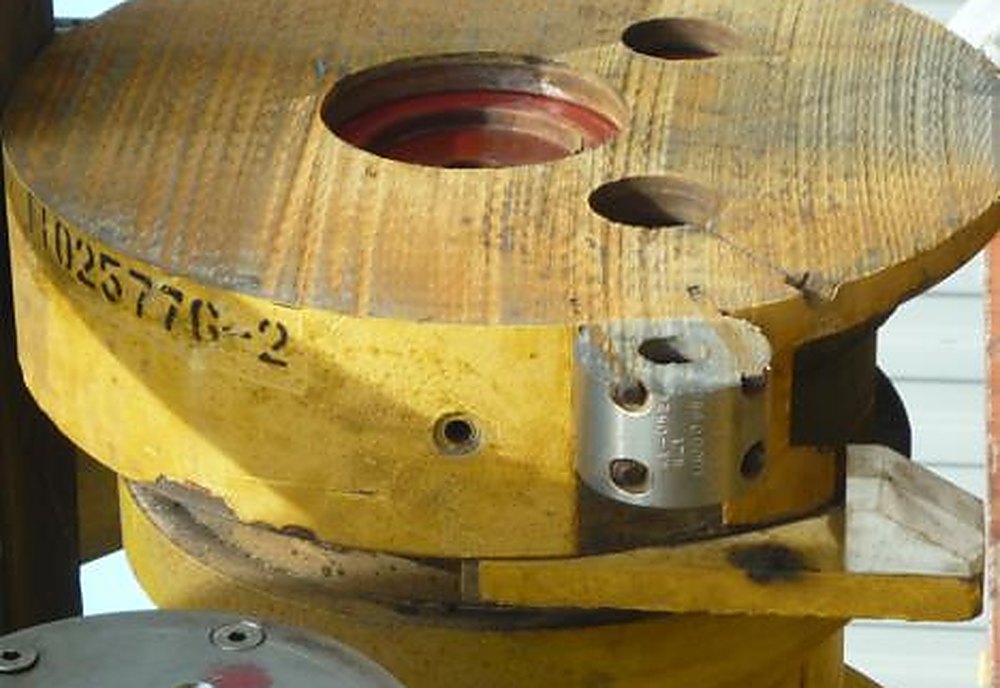 Subsea & Offshore
Cutting a Material That Hardens the More You Work It
Inconel work-hardens as it deforms. The property that makes it right for a wellhead is the property that makes a cutting claim worth testing before you make it.
Read the case study
Subsea & Offshore
Cutting a Material That Hardens the More You Work It
Inconel work-hardens as it deforms. The property that makes it right for a wellhead is the property that makes a cutting claim worth testing before you make it.
Read the case study
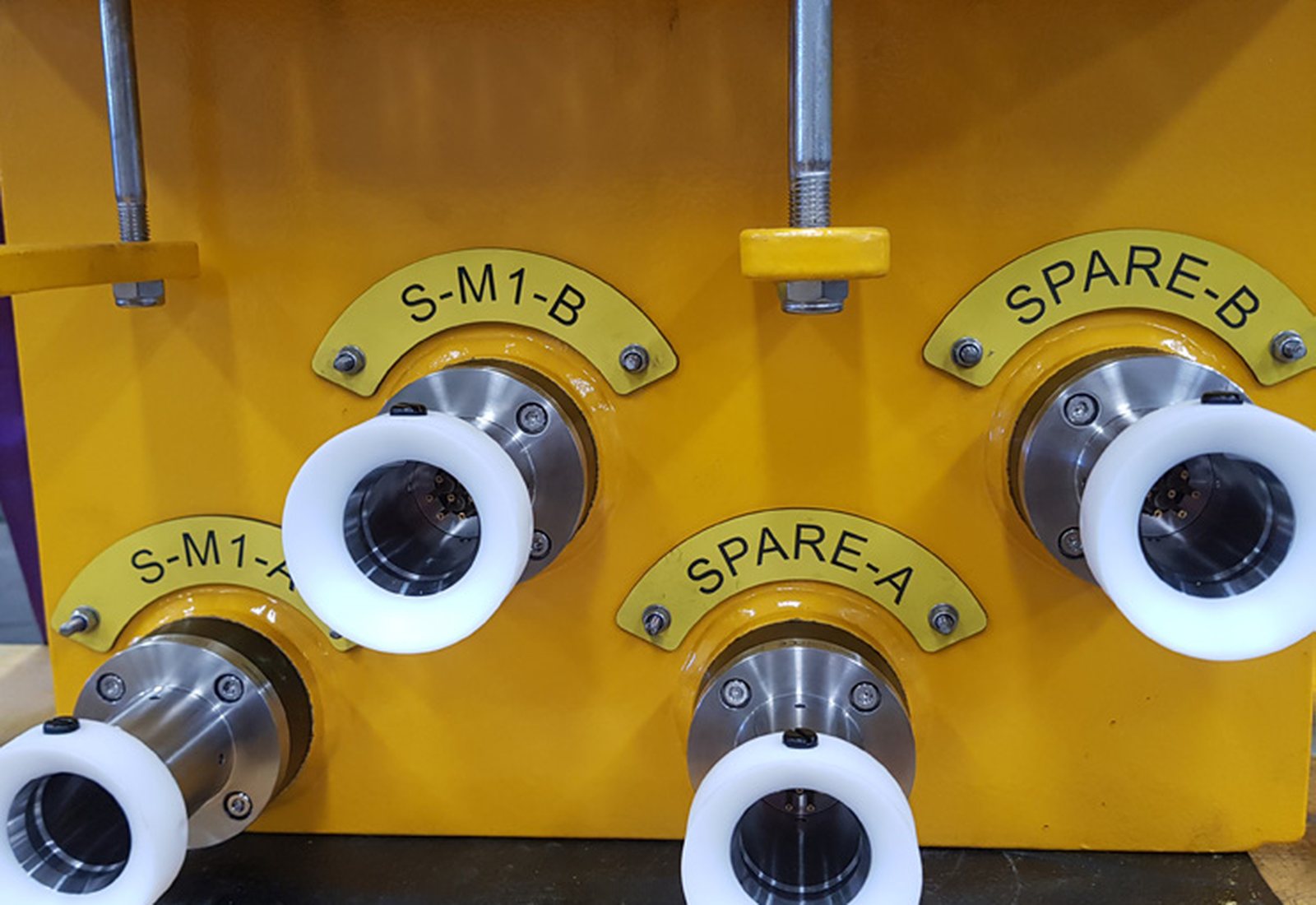 Subsea & Offshore
Fixing the Fault Without Reterminating the Umbilical
Low insulation resistance faults in a subsea control system usually mean a new umbilical termination assembly. The client asked for something that could be retrofitted to the ones already in the water.
Read the case study
Subsea & Offshore
Fixing the Fault Without Reterminating the Umbilical
Low insulation resistance faults in a subsea control system usually mean a new umbilical termination assembly. The client asked for something that could be retrofitted to the ones already in the water.
Read the case study
No case studies in that sector yet.
Ask About a Precedent
If one of these is close to your problem, we will talk you through what was hard about it and whether the approach transfers.
Start a Conversation