Twenty Years of Taking Things Apart
Severance, plugging and buoyancy removal, engineered to the actual member, the actual access and the actual seabed. Wells, jackets, pipelines, risers, moorings and nearshore concrete, on planned programmes and on emergency response.
Experience
The Diamond Wire Record
Blakemere has been severing, plugging and recovering structures for more than twenty years. The diamond wire record runs unbroken from 2009.
The work spans pipeline and riser severance, on planned decommissioning and on emergency response. Conductor and casing recovery supporting well abandonment. Mooring chain cutting on disconnection scopes. Platform and jacket severance through legs, piles, braces and appurtenances. And campaign contingency, where tooling is held ready for a campaign that may never call on it.
Regions worked: Australia, New Zealand, Papua New Guinea, Singapore, Malaysia, Indonesia, Vietnam, the Gulf of Thailand, Japan, the United Arab Emirates, Norway, the United Kingdom and the United States.
Cutting
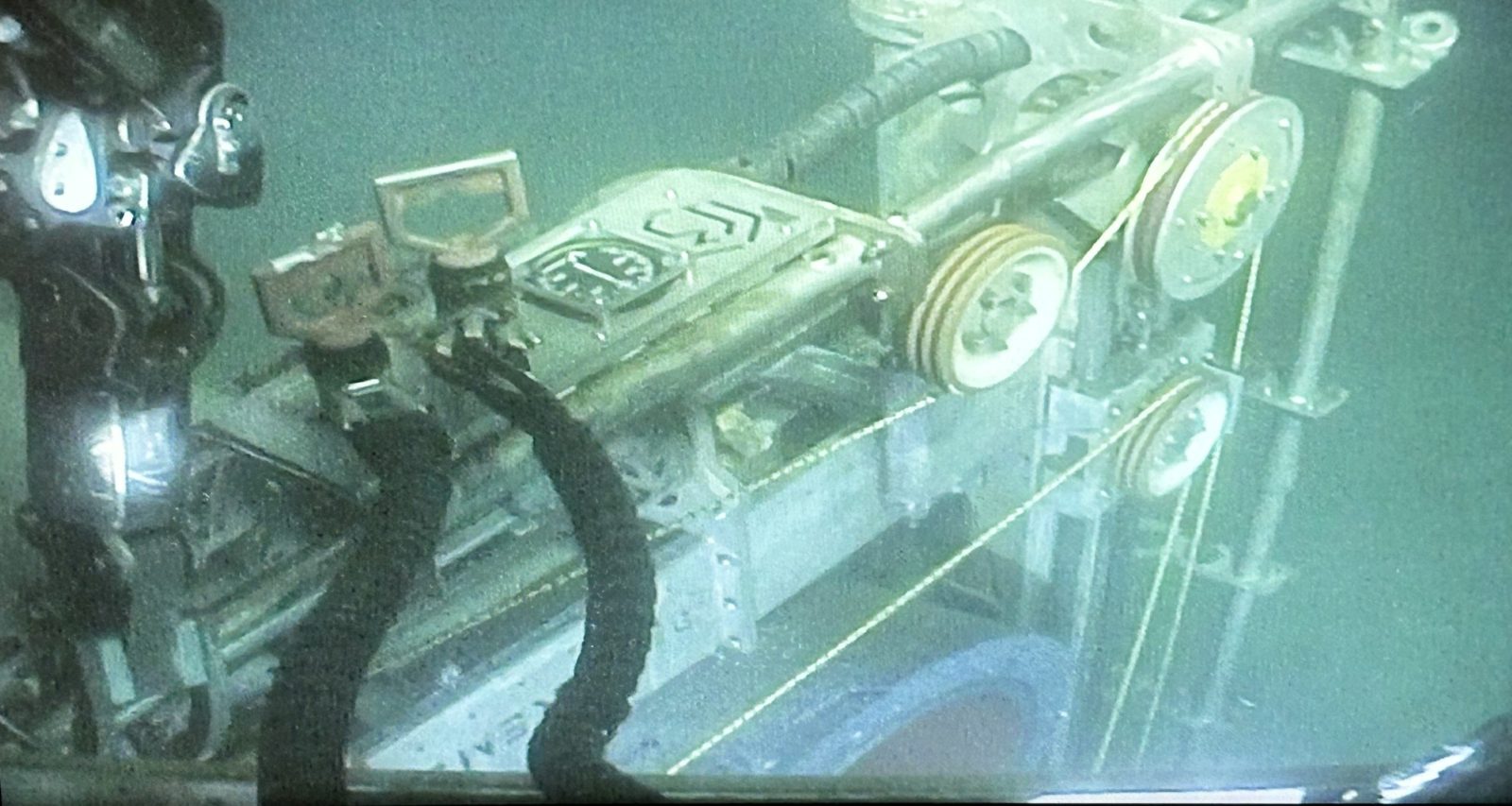
All cutting equipment is designed in house and improved continuously on experience, feedback and lessons learned. Where a proven method already fits we adapt and apply it, rather than starting from a blank sheet unnecessarily. A selection of the fleet:
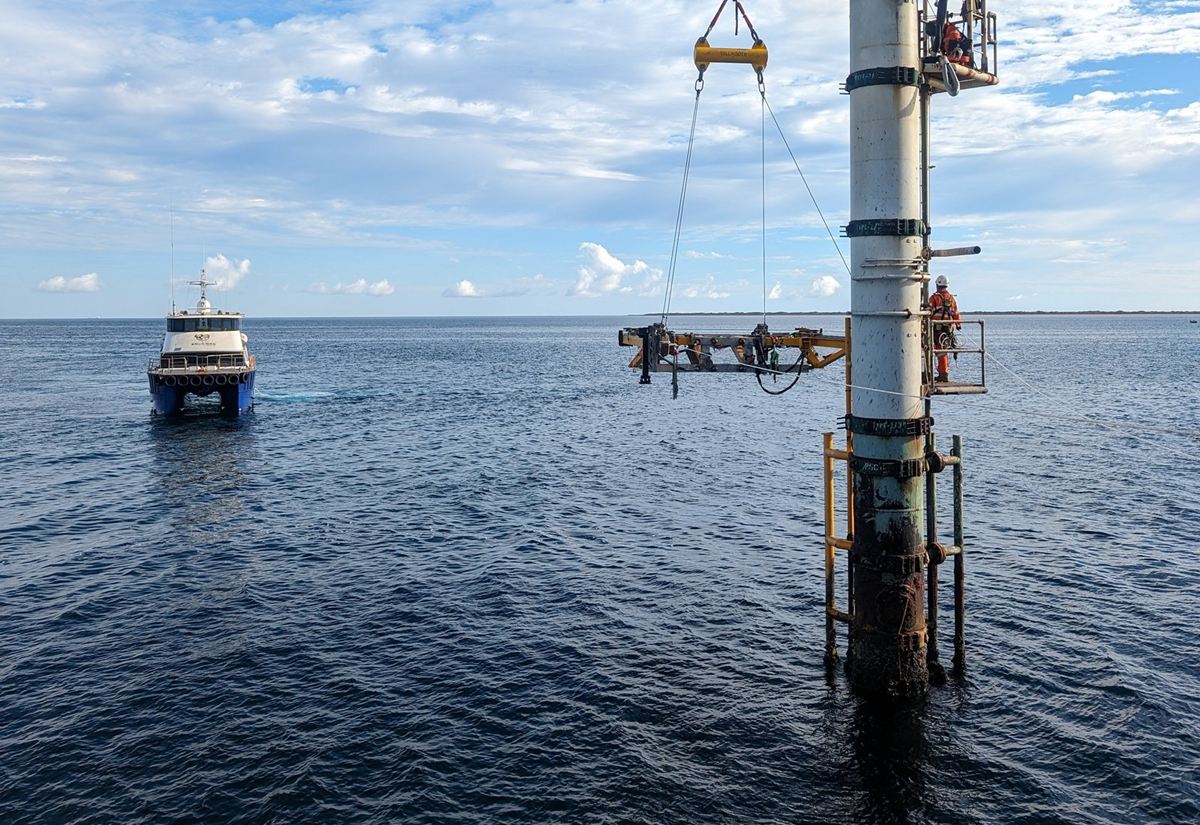
- Diamond wire saws covering 8″ to 9 metres, through steel and through concrete-filled members, above and below the waterline
- Friction disc cutting for structures, pipes and chains, adapted across a wide range of bespoke applications
- Zone-rated high pressure and ultra-high pressure abrasive cutting, external and internal, for structures, pipes and risers
- Flange bolt cutting tools that drive themselves around the flange, cutting either side or in the gap between flanges, ROV installed with the cut location adjustable subsea
- Zone-rated electric HPUs supporting the hydraulic equipment for cutting in hazardous areas
- Subsea shears and subsea grapples
Case studies: Caisson Removal Package, Subsea Flange Separation, Diamond Wire Cutting of Inconel and J-Tube Blind Flange Removal.
Why a FEED on Awkward Cuts
A saw positioned by an interface frame built for one specific cut lands accurately and clamps for stability. That confidence only exists after the requirement has been reviewed and the equipment developed against it. The alternative is finding out about the brace you cannot get a saw around while a vessel sits on day rate.
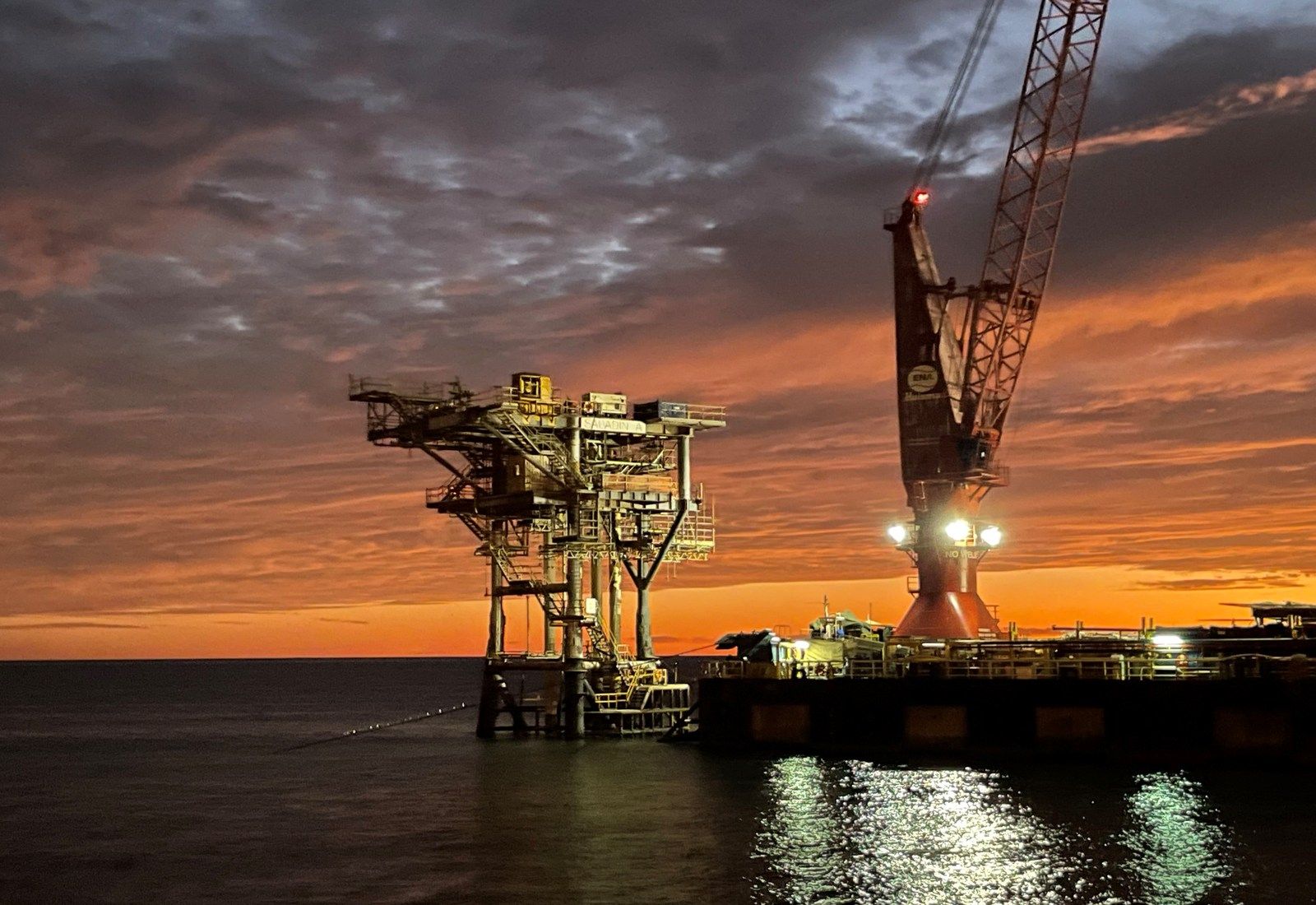
On the Thevenard Island platforms, the cut locations and the equipment to reach them were settled in a FEED we ran roughly ten years before the campaign mobilised.
Design records, calculations and test results are issued with the equipment.
Before it mobilises the whole spread comes together onshore for system integration testing at our testing centre. That is the last point at which something that does not fit costs an afternoon rather than a day rate.
Plugging
When you decommission, disassemble, modify or recover an asset and have to contain something in the process, the sealing solution usually has to be developed to suit the case.
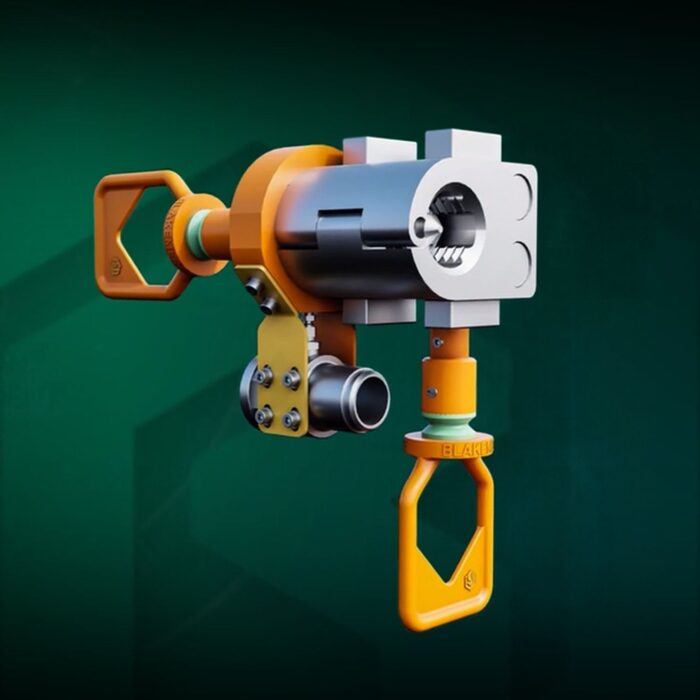
The plugging record is wide and varied, high and low pressure, high excursion, and non-circular solutions sealing against eroded bores, concrete bores and seam-welded pipe. Many designs carry integral retention clamps and back-seal test capability. Where the ideal solution does not exist, it gets built.
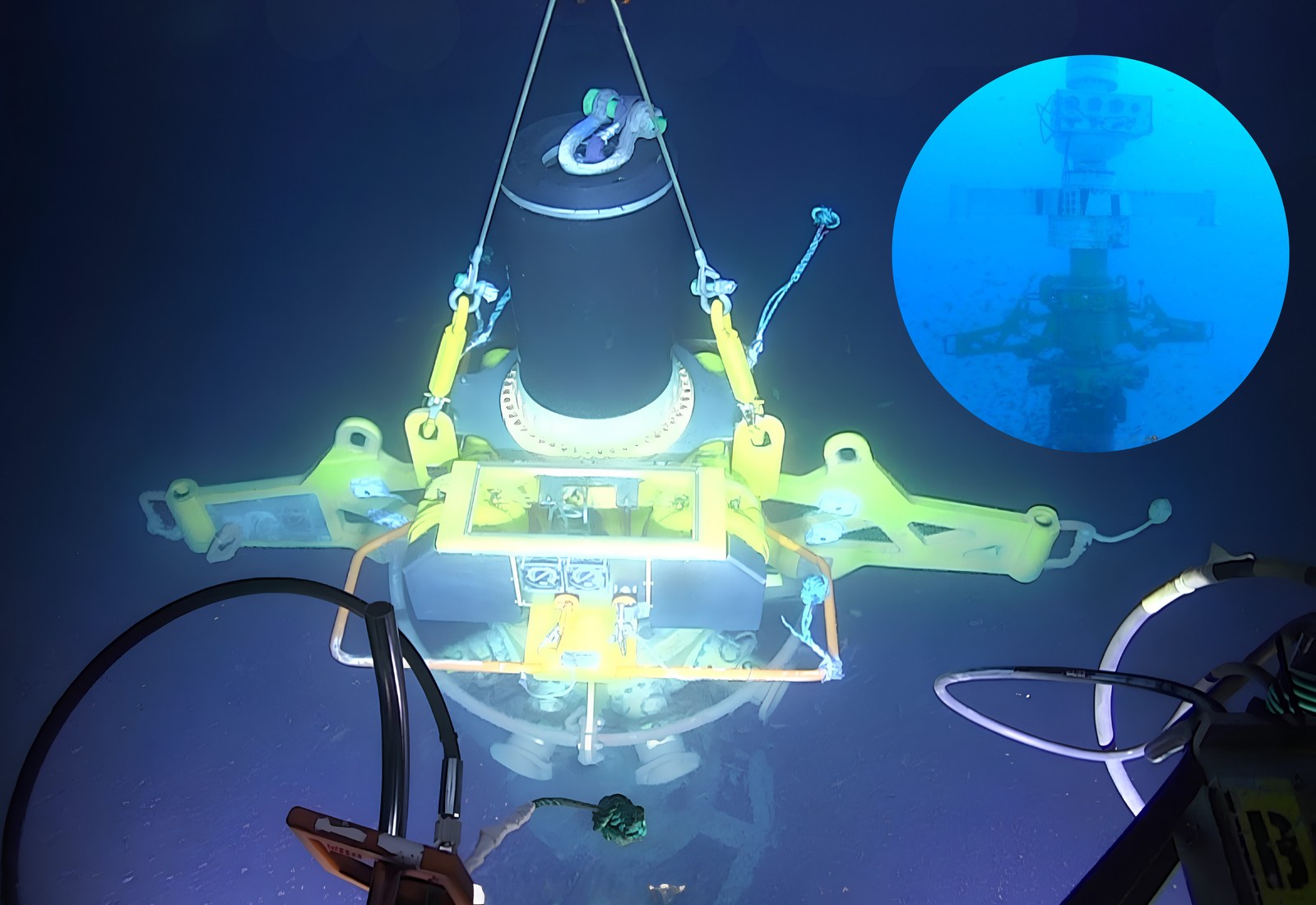
Pressure Retaining Plug, Griffin PLEMRestoring a Wellhead So the P&A Can Proceed
A wellhead that cannot be sealed cannot be abandoned to current standards, and the abandonment stops before it starts.
On a scope in September 2025 the sealing faces on both the 13″ and 20″ housings had corroded, with mechanical damage to the 13″ housing and no high-quality survey of the sealing surfaces available before the vessel sailed.
Three tools answered it, all crane-deployed and run on work-class ROV hydraulics.
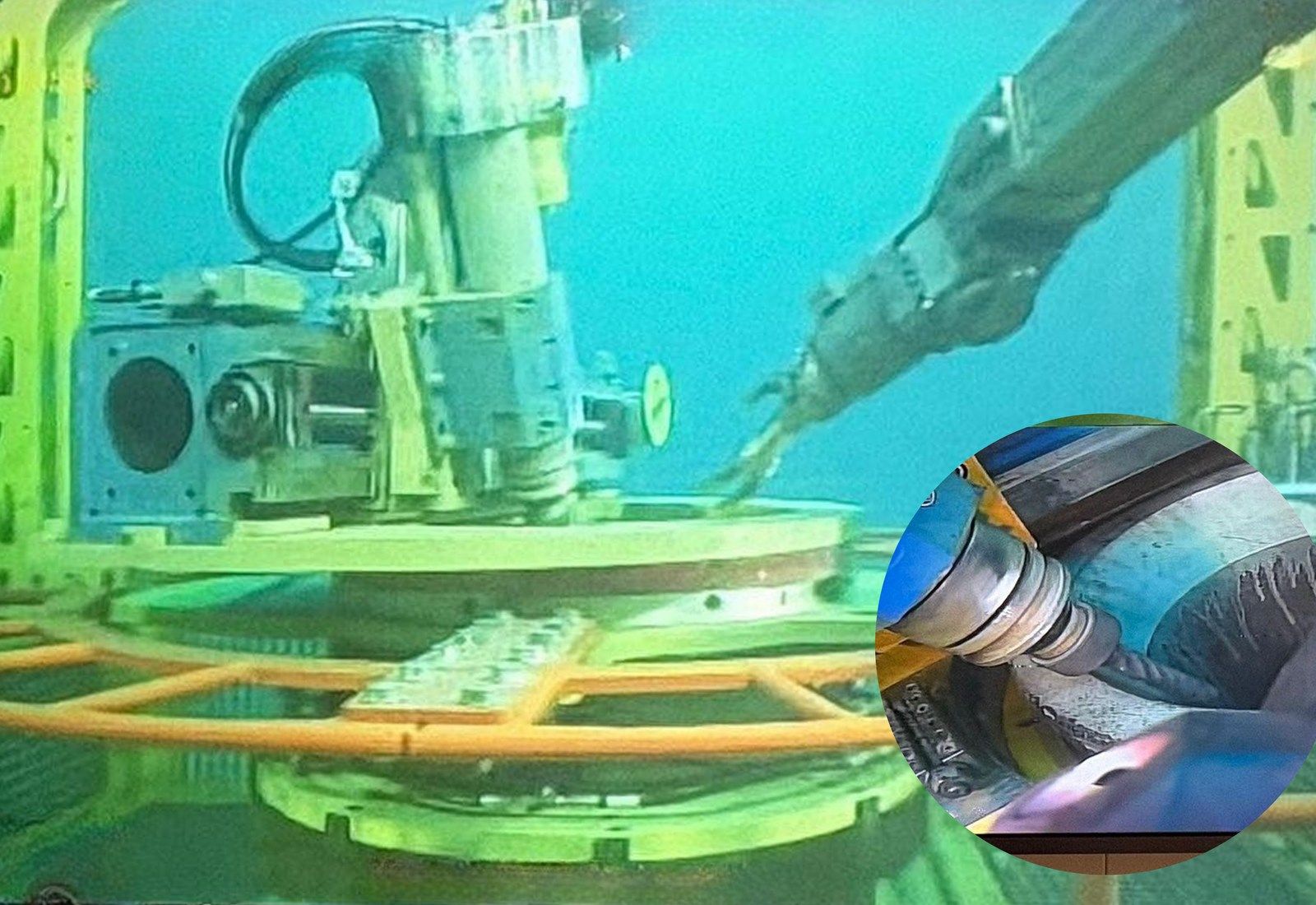
A machining tool lands on the wellhead, self-centralises and re-machines the sealing surface subsea, holding the seal angle through the stainless inlay and the parent material. An internal sleeve sets a new seal below the damage, carrying a modified gasket that provides the upper sealing face. A connection system then works from the same top-face datum, sealing to the internal bore of a 13‑5/8″ housing, locking on with nine dogs and proving itself with a back seal test before the riser is run.
Between them they react 2,300 psi of bore pressure, riser bending, riser tension and guide wire loading. The case study sets out what was involved.
Wellhead connection systems, cap jacking tools, vibrating spool clamps and conductor and casing recovery are all built the same way, against the wellhead you have rather than the one on the drawing. That applies whether the well is producing, idle or an exploration well being closed out.
Buoyancy Removal
We developed a tool that returns buoyancy modules to the surface safely, whatever their orientation or proximity to other modules. Installing buoyancy modules subsea, we have done that too.
Distributed Buoyancy Removal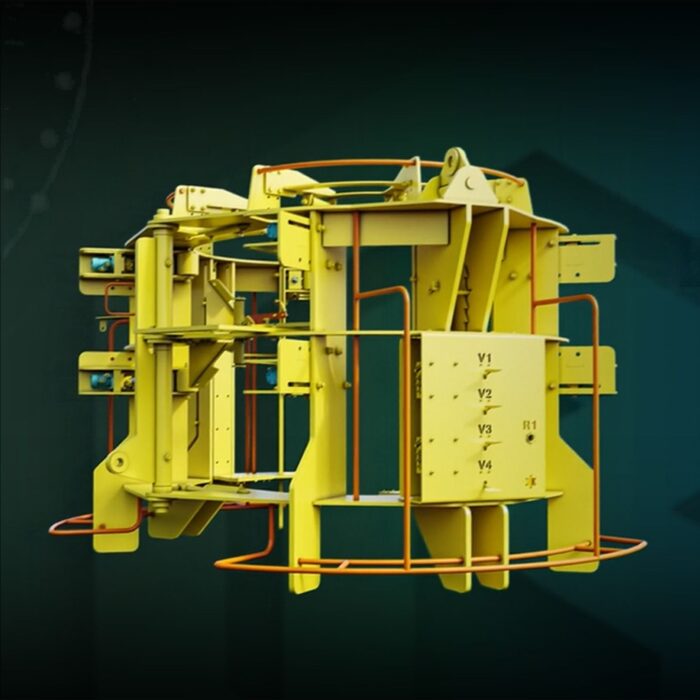
Dams, Wharves and Water Infrastructure
Not all of this work is offshore. Cutting and controlled removal on wharves, weirs, intakes and outfalls uses the same tooling and the same method, on assets that usually have to stay in service while the work happens and where the surrounding environment binds harder than the steel does.
At Mundaring Weir that meant a one-metre penetration through 1.8 metres of 1903 reinforced concrete, underwater, held to ±10 mm, with nothing allowed to enter Perth’s drinking water. The coupon came out at 2.7 tonnes.