Reacting 2.5 Tonnes With Nothing to Hang On To
A sample of steel spool had to come out of a PLEM during decommissioning, and the double barrier had to be re-established at the cut. There were no features left to grip.
- Client
- BHP
- Location
- Griffin oil field, north-west Australia
- Delivery
- 2018
- Sector
- Subsea & Offshore
- 2.5 t Axial force reacted by the plug
- 8″ Spool bore, variable interface
- Single seal With integral back-seal test ports
- ROV Installed, no additional tooling
The problem
As part of decommissioning activities at the Griffin oil and gas project, a requirement was identified to extract a sample of steel spool from within a PLEM — pipeline end manifold. In order to re-establish a double-barrier system, a pressure retaining plug needed to be installed in the spool at the location of the cut.
Access within the PLEM structure was limited, which set the envelope for the plug and presented the unique challenge of designing something that could be installed and operated in such restricted confines. It also constrained the location and quality of cut that could be achieved, so the plug had to accommodate a variable interface, possibly on a curved section of spool.
What made it difficult
The prime challenge was reacting the 2.5 tonnes of force generated by the pressure trying to expel the plug. Because the plug was installed in a cut end, there were no features to hang on to. The solution was an integral clamp that reacted those forces but allowed the plug to float, and therefore find the centre of the bore. Given the variable nature of the interface, that self-centring is what made the seal work.
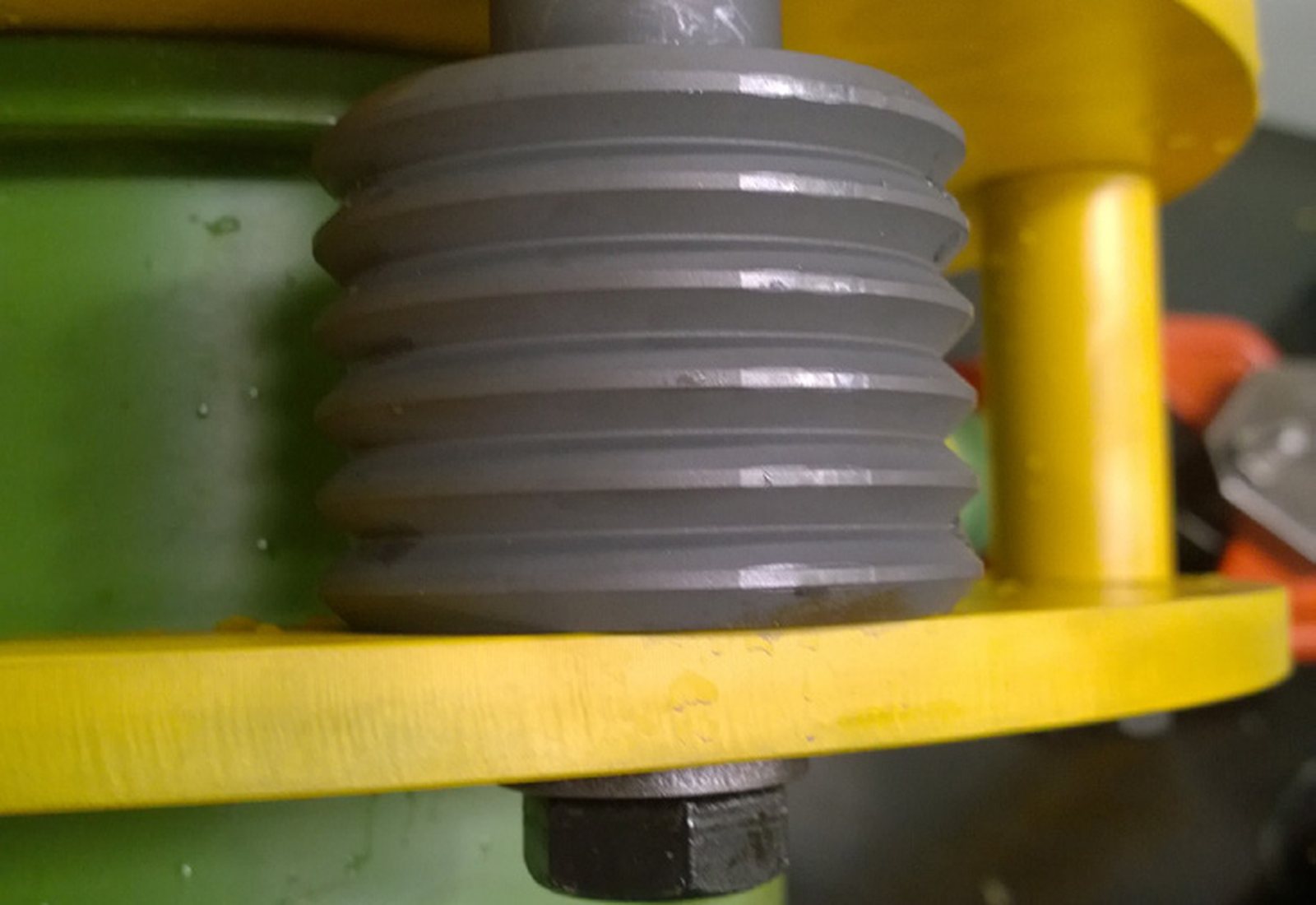
The seal used is our single-piece expanding design with integral back-seal test ports. It has the simplicity of a single seal with the added benefit of being able to verify seal integrity by back-seal test — functionality that typically requires a two-seal system.
Delivery
Installation and all operations were undertaken by ROV, with no additional tooling required. The design leaned on an extensive existing track record of bespoke pressure retaining plugs rather than starting from a blank sheet, which kept a restricted-access, variable-interface plug a delivery scope rather than a research project.
Bespoke plugs we have developed
| Year | Client | Work scope | Location |
|---|---|---|---|
| 2018 | BHP | 8″ spool plug, 5 bar, back-seal test port | Western Australia |
| 2018 | BHP | 8″ spool debris plug with environmental labyrinth seal | Western Australia |
| 2018 | DOF | 6″, 7″ & 8″ debris plug with environmental labyrinth seal | Western Australia |
| 2018 | Internal | Subsea well low pressure housing flow-by port plugs to improve efficiency of down-hole cutting operations, variable sizes, 30 bar | Worldwide |
| 2017 | Fugro | 4″ & 8″ debris plug with environmental labyrinth seal | Western Australia |
| 2017 | BHP | 6″ flowline debris plug | Western Australia |
| 2016 | Shell | 3.6″ concrete bore in subsea storage tank, 7 bar, downhole installation | North Sea, UK |
| 2016 | BHP | 5″ flowline and riser plug with labyrinth seal | Western Australia |
| 2016 | BHP | 8″ & 5″ JSS connector decommissioning plugs, 110 bar, contingency restraint options, back-seal test port, sour service, 10 year subsea life | Western Australia |
| 2016 | BHP | 4″, 6″, 7″, 8″, 9″ & 10″ debris plugs with environmental labyrinth seal | Western Australia |
| 2015 | Heerema | 18″ debris plug with integral biocide stick compartment | Western Australia |
| 2014 | Technip | Torque interface debris plug with environmental labyrinth seal | Western Australia |
| 2012 | IKM Testing | 6″ spool plug, 3 bar, back-seal test port | Western Australia |
Have Something With the Same Shape?
If the constraint above looks like yours, ring us and ask how it went. That is a shorter conversation than a capability statement.
Start a Conversation