Subsea Asset Integrity and Operations Support
You have an inspection report and an anomaly on an asset that is still producing. We engineer the repair, build and test the tooling, and run it offshore with the people who designed it.
Engineer a Repair
The repair is engineered with you, against your inspection data, your operating constraints and your shutdown calendar.
Where an integrity assessment or condition monitoring has already told you what is happening, we work from your data instead of asking for another survey. Assurance and compliance evidence is produced as part of the deliverable rather than assembled afterwards.
Avoiding production loss is usually the number that decides the scope. If deferring an intervention to the next shutdown is worth more than fixing it now, the honest answer is to say so and design something that will hold until then.
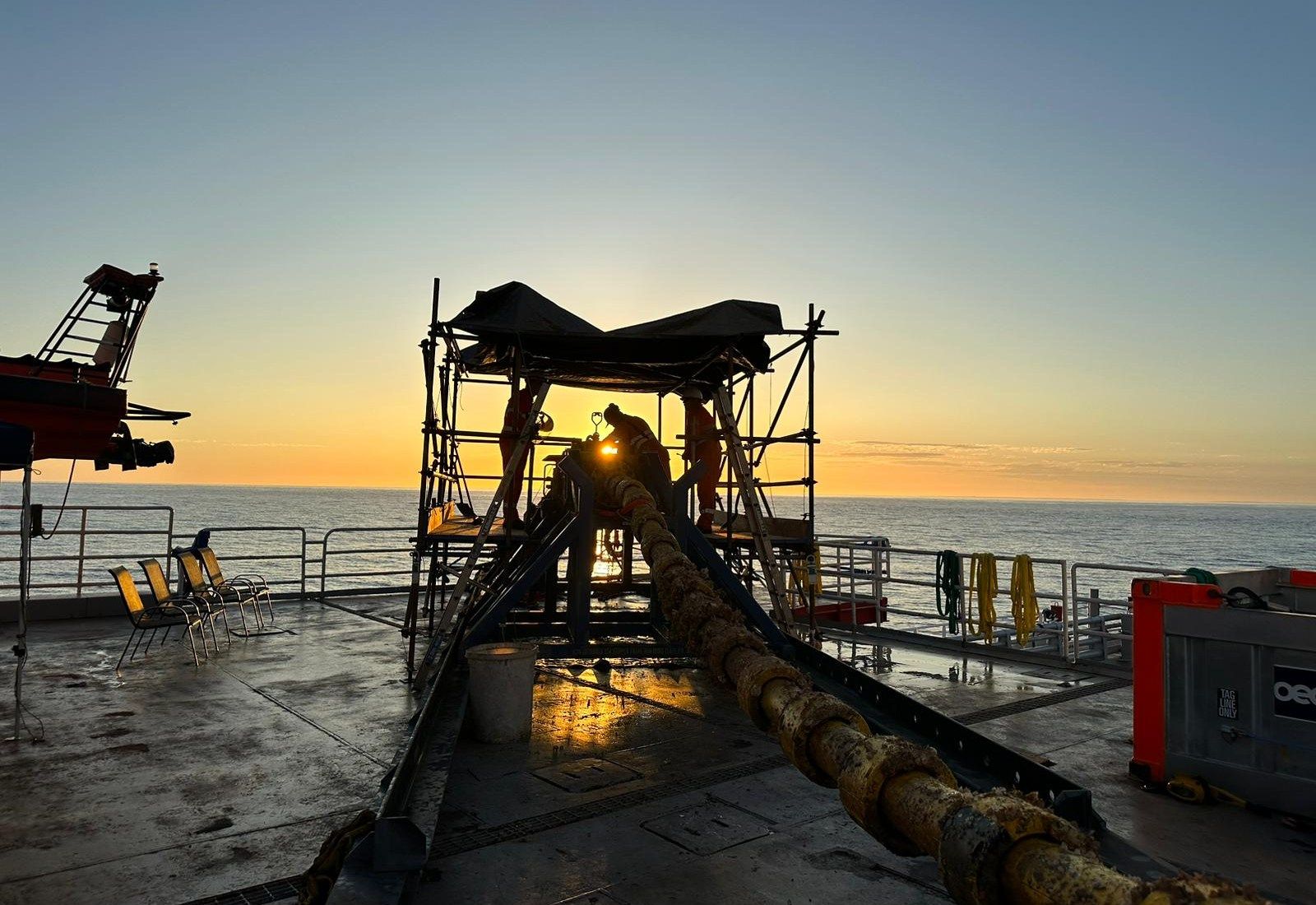
These are some examples of the solutions delivered:
- In-service sealing repairs on equipment that was never designed to accept one
- ROV-operated machining and re-machining of sealing faces
- Connection systems and load-reacting interfaces for arrangements that have degraded
- Seal installation and removal tooling, cleaning brushes and debris management
- Remediation of faulty subsea electrical circuits inside umbilical termination assemblies
- NORM capture during intervention and recovery, filtered to 63 µm
- Recovery of damaged or redundant equipment ahead of a repair
In-Service Repair and Sealing
Each repair is developed against the interface you actually have rather than a catalogue approximation of it, including the difficult cases. Eroded bores, concrete bores and seam-welded pipe.
“In maintaining BHP’s Australia operated subsea assets, we frequently require repair works on systems that are not necessarily designed to permit an in-service repair, not to mention systems that are designed to permit a repair, however don’t. This is where Blakemere comes into the picture.
… the team has and will continue to produce the results BHP needs to maintain production into the future.”
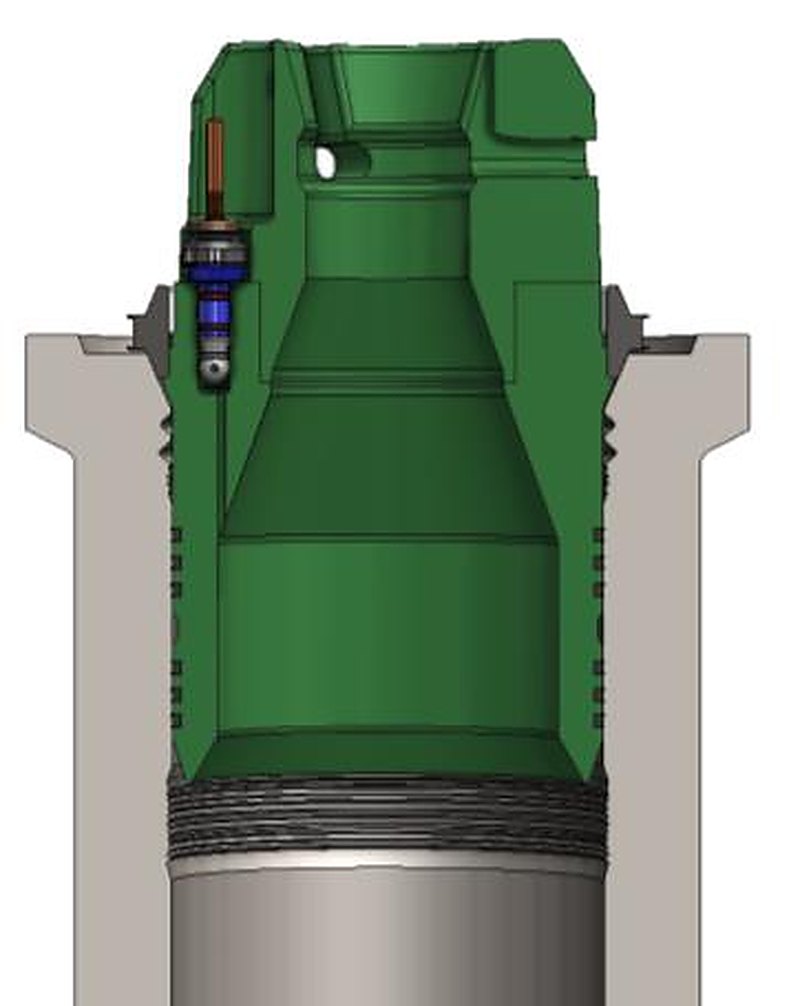
The repair sleeve for Esso Australia, landed in an 18¾-inch wellhead with a pitted AX face. New bore seal, back-seal testable by ROV.
The full case studyDamage Remediation, Four Scopes
Catastrophic damage, dragged moorings, a failed mechanism, a broken interface. The common feature is that nothing off the shelf fits what is left.
- Christmas tree snagged by an anchor chain
- A semi-automated remote flange bolting system, built to make and break the connection without divers.
- Wellhead struck by a dropped object
- A subsea machining tool that restored the sealing faces in place, avoiding extensive contingency operations.
- Damage from dragged moorings during a cyclone
- Restoration of a displacement initiator that had been pulled out of position.
- Leaking subsea safety valve control circuit
- Coupler replacement on the tubing hanger, carried out on the live asset.
The People Who Drew It Are on the Deck When It Runs
When our tooling goes offshore, our engineers and technicians go with it. The person supervising the job on the back deck is usually the one who drew the tool, ran the calculations behind it and stood over it during factory acceptance testing.
That matters because scopes change. Dimensions come back different from the drawing, there is more marine growth on the interface than the survey showed, or the weather window shortens. When the design authority sits onshore, a change like that costs a call and a wait, and the wait is on vessel time. Ours is already standing there, and can evaluate it against the same design case they wrote.
The rest of the chain sits behind that. The interfaces between design, supply and assembly are managed internally, so the tool, the test records and the crew come from one party rather than three.
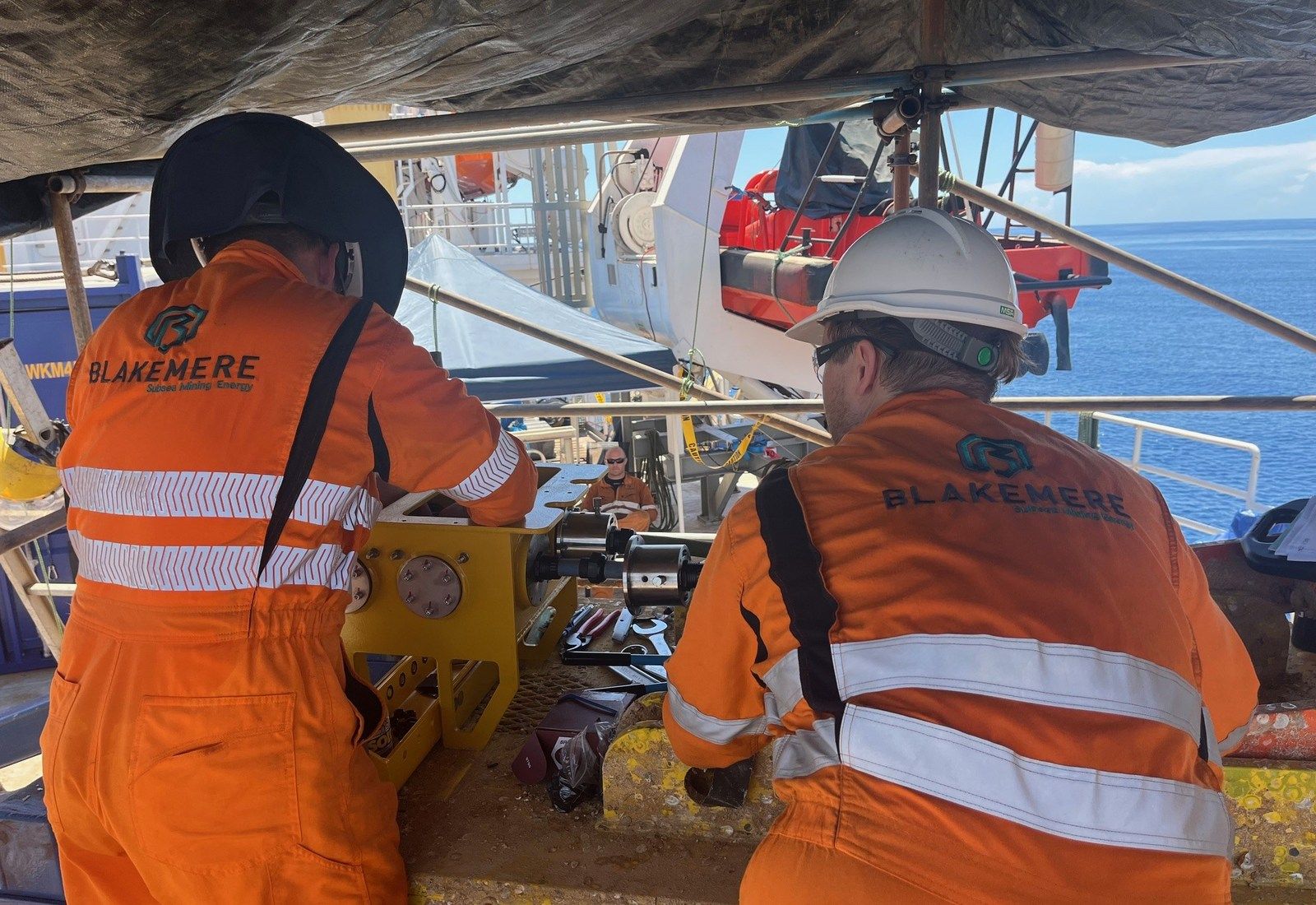
Electrical Distribution Units (EDU)
A low insulation resistance fault in a subsea control system normally means building a new umbilical termination assembly and reterminating into it, or bypassing the faulty UTAs with electrical jumpers.
The fatigue point is the one that tends to get missed. Every time a UTA is lifted to the back deck the umbilical takes stress cycles from vessel motion, at the touch-down point and at the overboarding chute. A full retermination keeps it up there far longer than an EDU fit does.
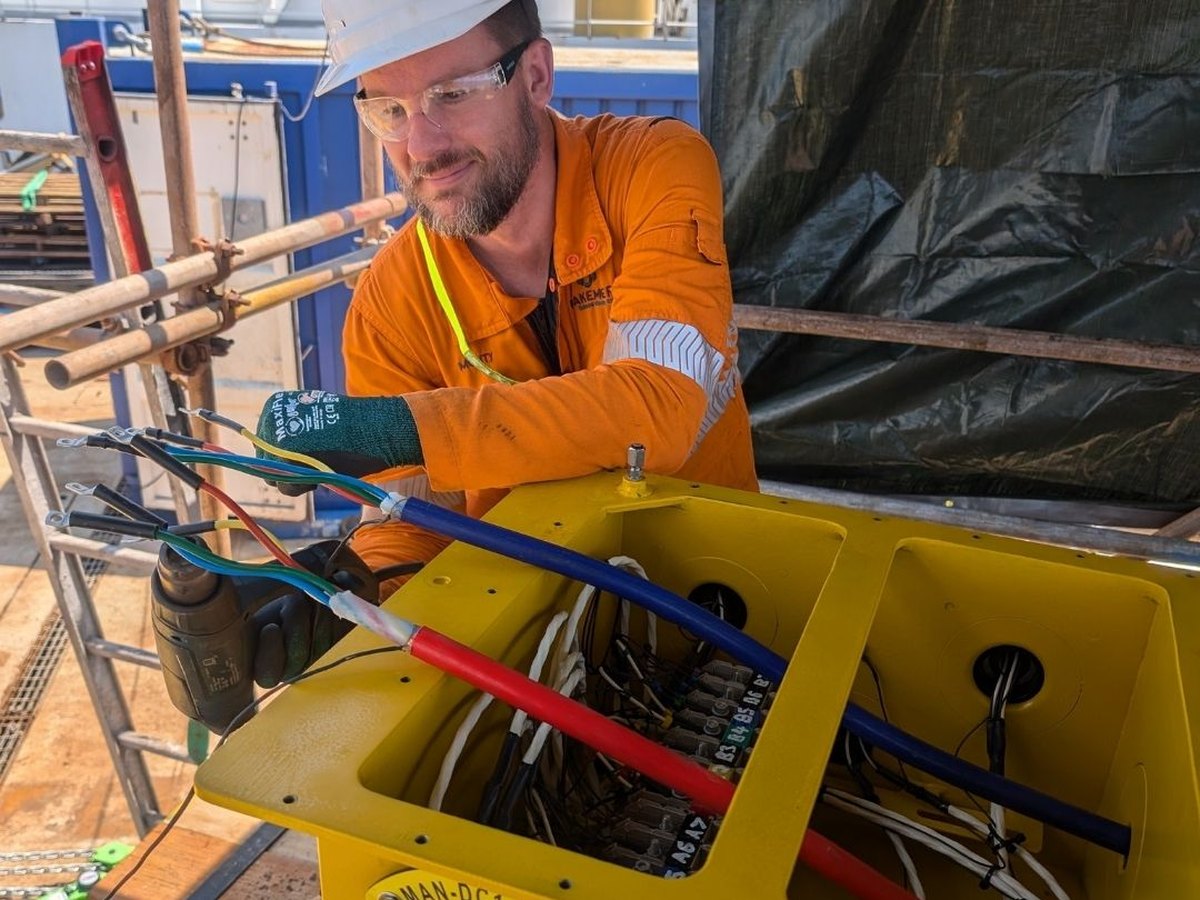
The alternative is an electrical distribution unit: a standalone housing that installs into, or on top of, the existing UTA and carries the connectors that replace the faulty circuit. No retermination, and the UTA goes back down with the circuit restored.
We are asked for this three ways.
- Remediation. Repair of faulty electrical systems inside an existing umbilical termination assembly.
- Bespoke build. Full design, fabrication, assembly and test of an EDU assembly for a specific control system.
- Retrofit. A standalone EDU fitted into or onto the existing UTA.
Our EDU designs are pressure compensated and carry a field-proven secondary barrier against seawater ingress. The compensation holds the internal pressure against ambient so the housing is not asked to act as a pressure vessel. Between them they address the mechanism that caused the original fault, so the assembly has a longer serviceable life than the one it replaced.
Common Questions About Operations Support
Where does the work usually start?
Operators come to us with the report already in hand, usually from their own inspection contractor, and the anomaly in it is real. From that point the asset can go three ways.
- Shut it in. Production stops until the repair is done, and deferred production is usually the largest number in the decision.
- Work around it. The anomaly stays where it is, and so does the risk attached to it and the constraint on the asset.
- Engineer a repair. Which needs a tool that does not exist yet, for an interface that was never designed to accept one.
The third is our work.
Is operability part of the design?
Yes. Operability is part of the design case, because a tool the crew cannot run on the day has not solved anything.
Do you work on the same asset more than once?
Repeat work is the pattern here rather than the exception. Operators who bring us one anomaly tend to bring the next one, and the second scope on an asset is usually cheaper to engineer than the first.