Energy & Renewables

Hardware Nobody Has
Installed Before

A direct air carbon capture prototype running for CSIRO and Santos. Connection systems for tidal turbines and wave energy machines. Installation and handling equipment for hardware new enough that the method is still being argued about.

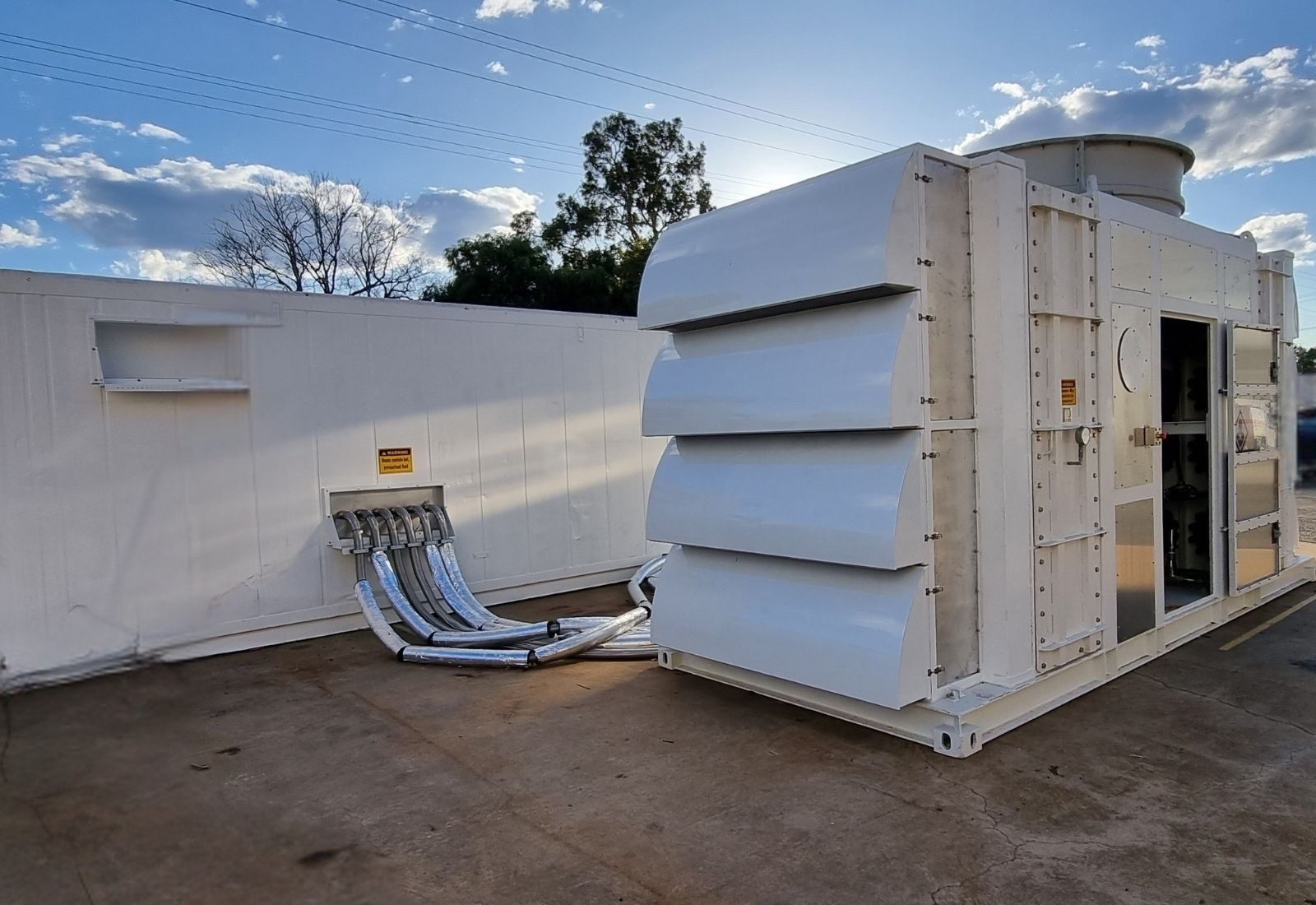
A containerised cooling package built by Blakemere for an energy customer, on the hardstand with insulated pipe runs connected

Direct Air Capture Hardware for a Chemistry That Had Never Left the Laboratory

CSIRO had a material that pulls carbon dioxide straight out of ambient air and releases it again on demand. They needed a machine to take that material into the field and prove that it works at scale, unattended.

The prototype is a standalone unit that draws the surrounding air through a volume of the LAP material, absorbing the CO₂ as it passes. Once the material saturates, the unit is automated to release what it has captured through an outlet, where it can be collected for storage or for industrial and commercial use.

It is in operation now, installed for Santos at Moomba in South Australia.

A CO₂ Collaboration

Blakemere acted as system integrator between CSIRO, as the custodians of the science, and Santos, as the site manager and sponsor for the exercise. Our role was to ensure that the field trial delivered a successful and scientifically valid result, which required us to engage in all parts of it to deliver a first-of-a-kind machine that worked, first time.

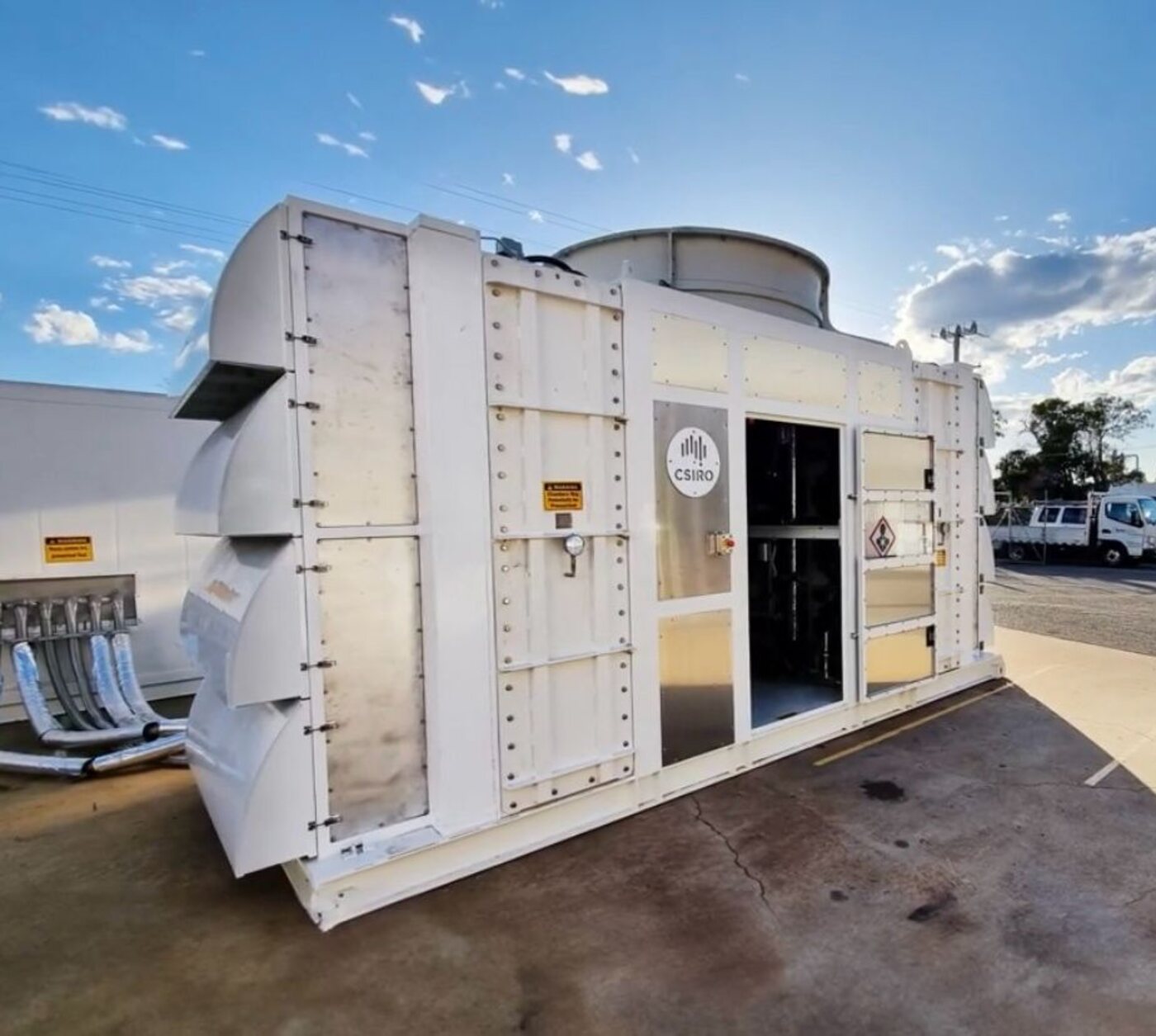
The completed direct air capture prototype standing in the yard, air intake louvres along its flank and the CSIRO mark on the access door
The completed unit in our yard, before it shipped to Moomba.
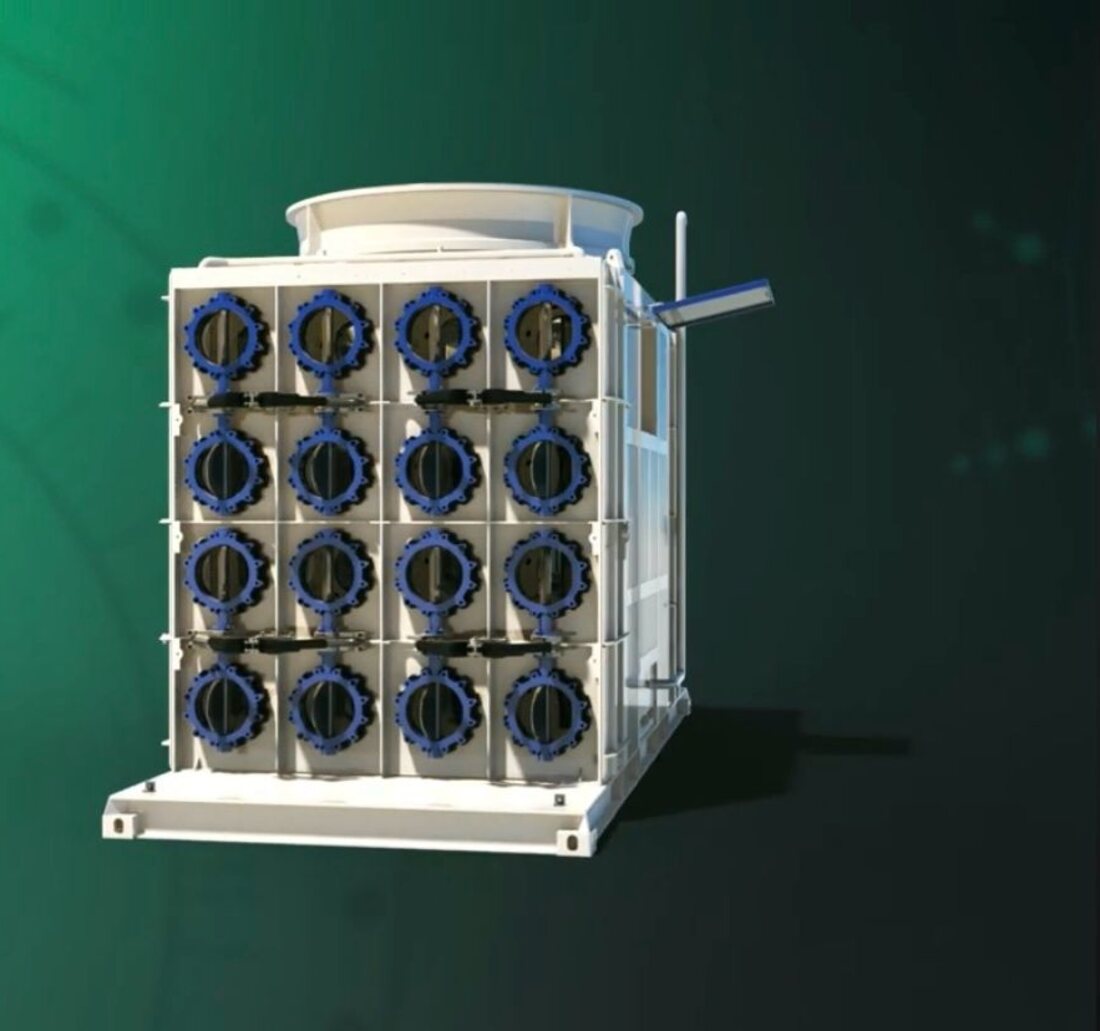
Design model of the capture cell array, sixteen valved chambers holding the Liquid Amine Particle material
Design model of the capture cell array, where the LAP material sits.

Energy and Infrastructure Projects

Energy

Taking the Cranes Out of Chemical Bunkering

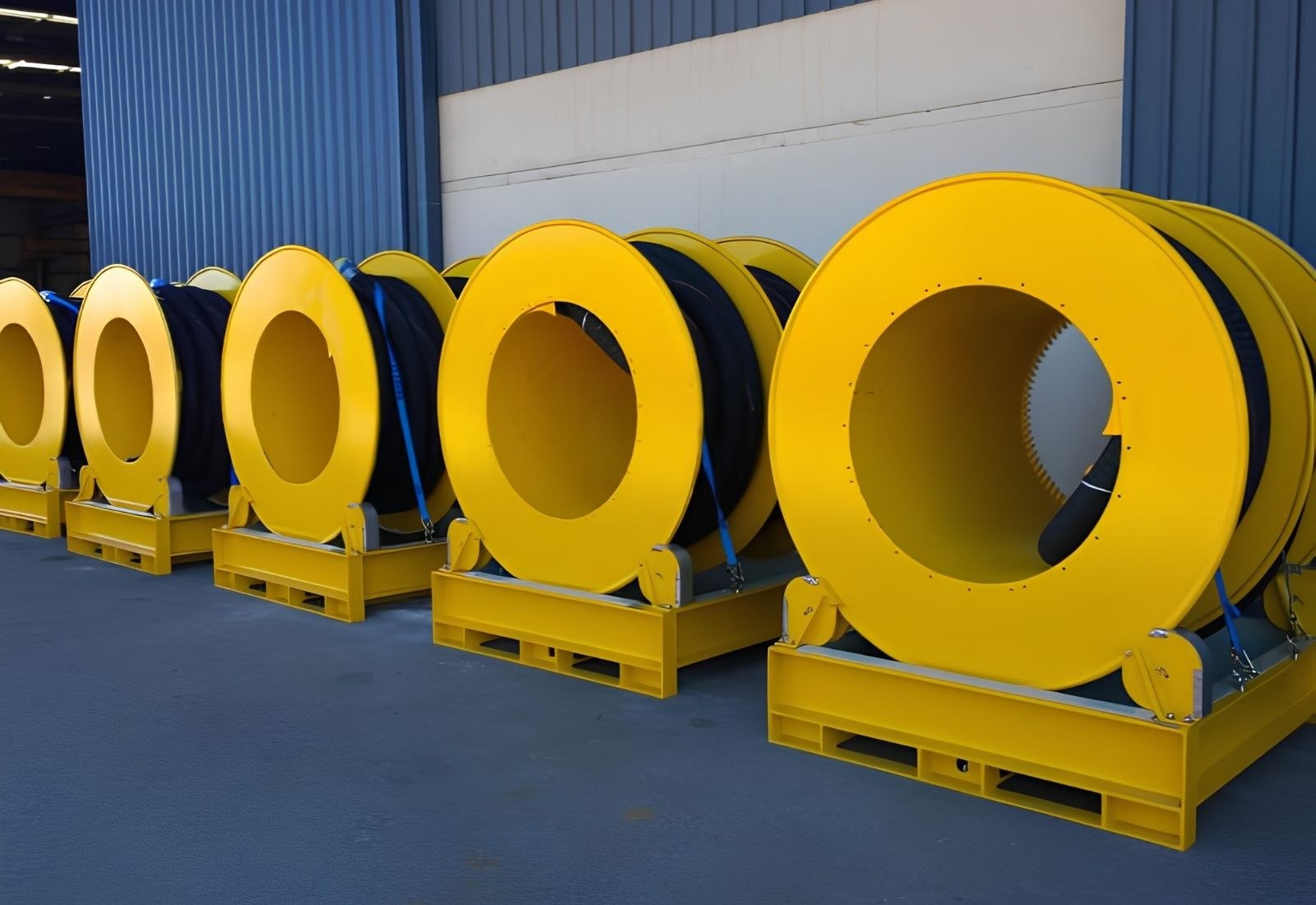
Four-inch chemical hoses were being lifted over a vessel gunwale by mobile crane and by hand, up to four metres above the wharf depending on the tide. We replaced the method with a modular reel system a forklift can reconfigure.
Baker Hughes · Darwin

Marine & Civil

One Metre Through 1.8 Metres of 1903 Concrete

A one-metre core through a heritage dam wall, underwater, held to ±10 mm, without putting anything into Perth’s drinking water. Six months, and the coupon came out at 2.7 tonnes.

Clough · Mundaring Weir

Where the Method Is Not Settled, Buy the FEED First

The expensive part of installing new energy hardware is rarely the hardware. Nobody has installed one before, so the method stays a set of assumptions until a campaign tests them, and a campaign is the most expensive place to test one.

Concept development, a FEED study and an FMEA answer that for a fraction of the campaign cost. We have run that sequence on subsea scopes since 2003 and the arithmetic does not change with the sector.

The same applies to the tool. A first-of-type build goes through extended factory acceptance testing before it ships, which on hardware with no operating history is the only honest basis for confidence. See testing centre and bespoke engineering.

Five modular hose reels on transport frames with forklift pockets, loaded and ready for despatch

Subsea Connection Systems for Devices That Have to Come Back Up

The renewables work that has come to us has been connection systems, for tidal turbines and for wave energy machines. It is a narrower problem than it sounds and a harder one than it looks.

There is also no settled interface. On a first-of-a-kind device the connector is whatever the developer drew, and the useful first question is whether that is the right thing to be asking for.

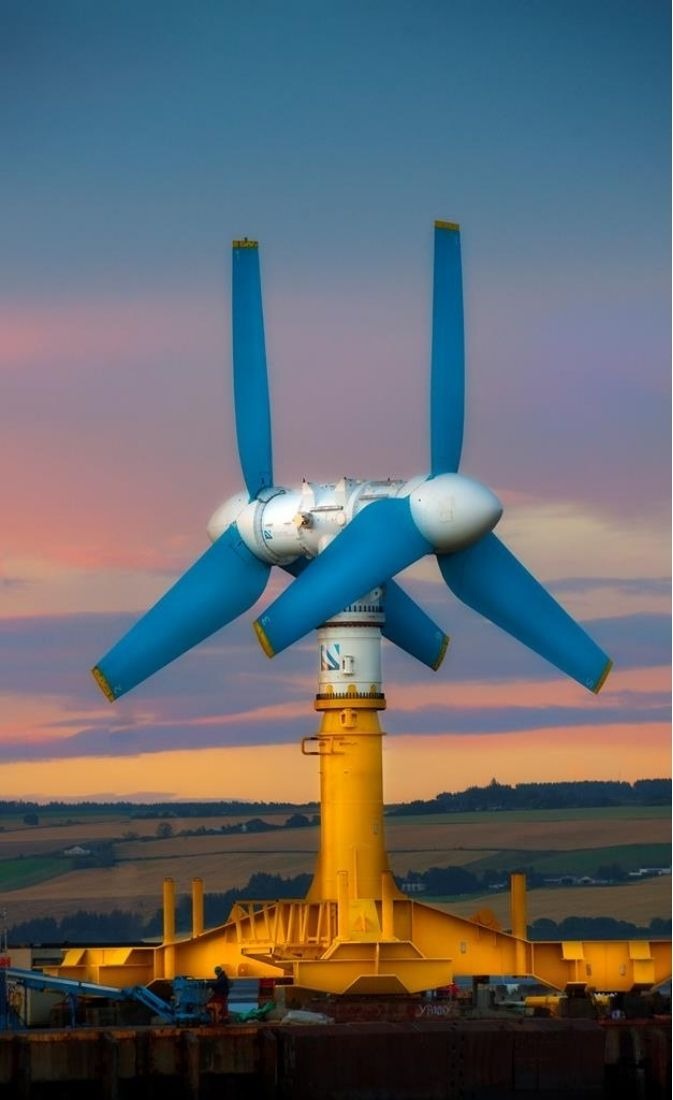
A twin-rotor tidal turbine on its support structure at dusk

Common Questions About Energy Work

Which energy and renewables sectors do you work in?

Our energy work to date covers direct air carbon capture, connection systems for tidal and wave energy devices, and chemical bunkering. We are most useful where the installation or handling method has not been settled yet.

Can you help develop an installation method for a first-of-a-kind device?

Yes, and that is where we add most value. Concept development, a FEED study and an FMEA test the method for a fraction of the campaign cost. We have run that sequence on subsea scopes since 2003.

What makes a tidal or wave energy connection different from an oil and gas one?

A subsea oil and gas connection goes in once and stays. A tidal or wave device has to come back up for maintenance, on a schedule, using whatever vessel is affordable that season. So the connection carries cyclic rather than static load, and has to release and re-make reliably in water chosen for power density rather than workability.

Can you prove a prototype before it goes to site?

Yes. A first-of-type build goes through extended factory acceptance testing at our Testing and Qualification Centre in Welshpool before it ships, including wet testing in test tanks where the device has to be proven in water.

Is the Method for Your Device Still an Assumption?

Talk to an Engineer