Testing Centre
Prove It Here, Not Out There
Our Testing and Qualification Centre in Welshpool, which incorporates our workshop, tooling maintenance and storage facilities under one roof, enables comprehensive service delivery at the scale of subsea infrastructure. The first moment that all of the pieces come together should be onshore, not on the back deck.
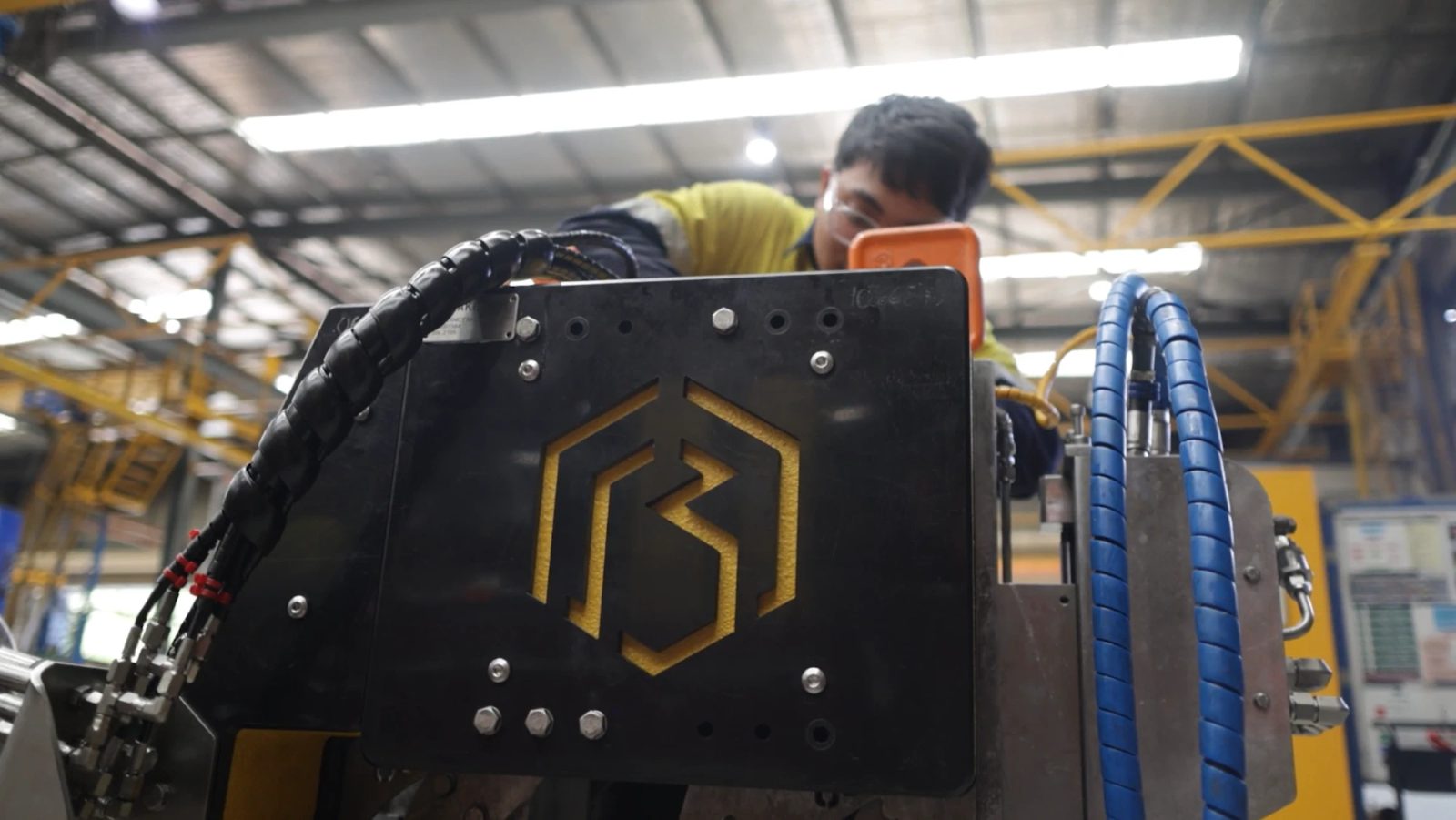
The Back Deck Is for Installation, Not Integration
Every problem found out there costs more than the fix. It costs the wait, with a vessel on standby and a crew in full foul-weather gear.
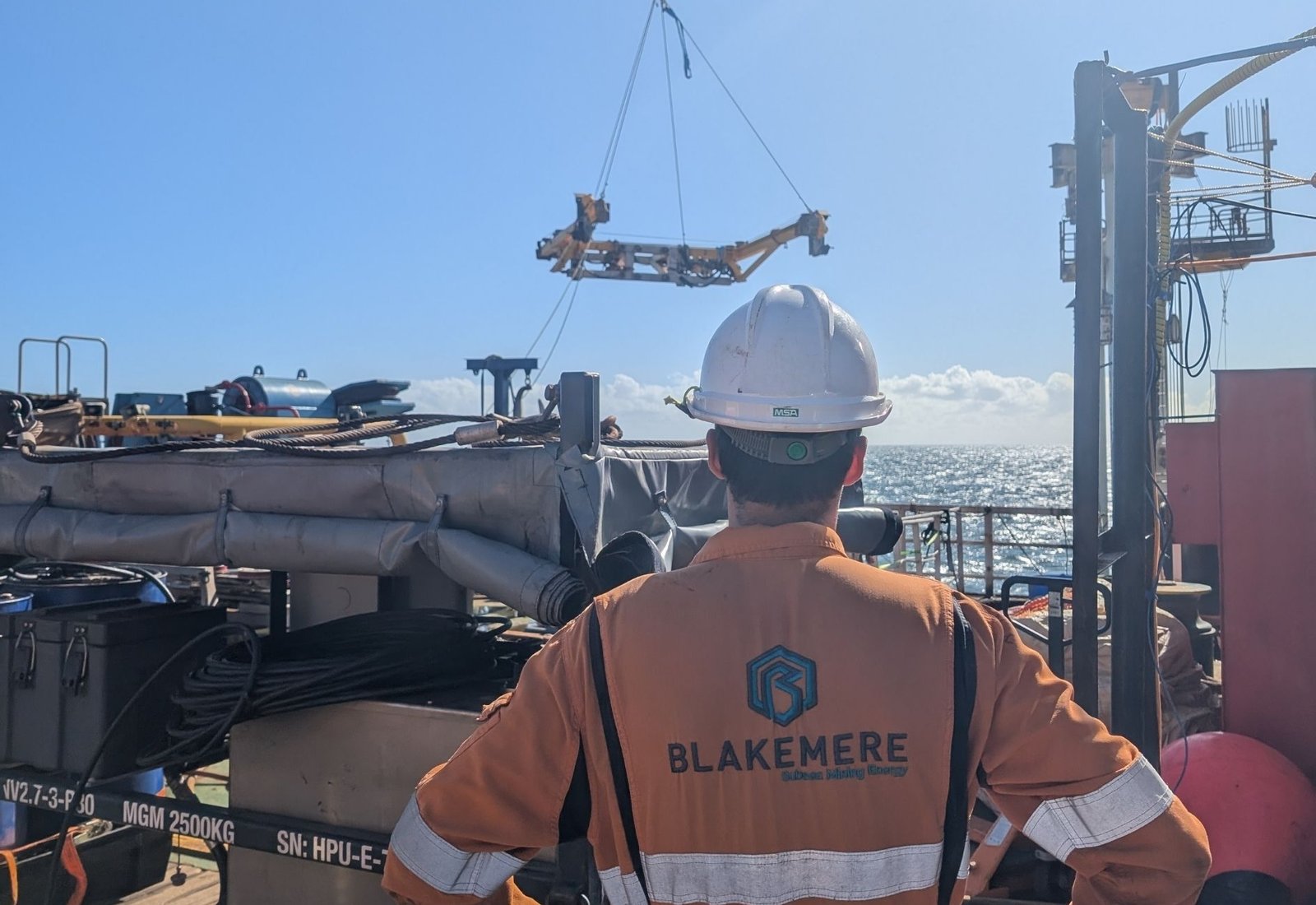
Test the system, not the parts. System-level integration and qualification testing, proving that each part of a campaign can be executed as planned.
-
You’re not in someone else’s queue
A third-party test house books you in around its other clients. Here the bay is ours, so the test date is set by your schedule.
-
Tested by the engineer who designed it
When a test finds something, the person who has to change the drawing is standing there, not at the end of an email and a change order. A finding turns into action without delay.
-
A failure here costs zero offshore days
The same failure on a back deck costs a vessel day and everyone standing on it. Onshore, the fix goes back to the machine shop and the test is re-run the same week.
-
Witness and control it, first hand
Witnessed testing happens at Welshpool, seventeen minutes from the Perth CBD, on one site, in one day. Your representative signs off against what they watched rather than against a report from a facility they have never visited.
Four Testing Streams
Each answers a different question, and each is aimed at a different point in a campaign. Some scopes use one, some use all four.
SIT System Integration Testing

Support ahead of mobilisation
Once offshore, every hour of delay is at vessel rates. System integration testing is the last chance to find what does not fit before mobilisation rather than during it, with interfaces checked and the whole spread brought together while a fix is still cheap.
What it looks like A cutting spread rigged as it will run offshore. Saw, ROV skid, hydraulic power unit, deployment frame and control stand, taken through the full sequence on the hardstand before anything goes to the wharf.
FAT / EFAT Factory and Extended Factory Acceptance Testing

Qualifying a first-of-type build
A structural analysis on a screen is not the same as proving it in steel.
When something is built for the first time, an extended FAT puts it through full qualification before it is trusted offshore. Once the design is proven, later units of the same build need only a standard FAT to confirm they perform the same way.
What it looks like A first-of-type ROV-operated machining tool run through its clamping, centring and cutting functions on a representative interface, with the client present and the results forming part of the as-built package.
Proving Application Proving Trials

Taking proven equipment into an unproven application
When you want to use something in an application it was not built for, a proving trial finds out whether it actually works, observed rather than guessed against a spec sheet.
What it looks like A fleet saw set up against a mock-up of the member you actually need to cut, at the real diameter, the real wall and the real access. That establishes cut time and clamping before anything is committed to a campaign. Common for critical activities performed with rental equipment.
Commissioning Reassembly and Commissioning

Returning overhauled equipment to service
After a major overhaul, reassembly should be proven rather than assumed. Commissioning runs equipment through its full operating procedure and pressure test before redeployment.
What it looks like A saw or intervention tool stripped, rebuilt and then run end to end under pressure, with the test record issued alongside it.
Inside the Welshpool Workshop
A spread that comes here goes indoors. Around 1,800 square metres of workshop floor.
Enough to rig a full cutting spread the way it will actually run. The facility takes third-party equipment alongside our own, so a spread assembled from four suppliers can still be proven as one system.
Wet work and pressure
There is a dedicated wet area and test tanks for anything that has to be proven in water, with hydraulic power available on the floor. Pressure testing runs behind barriers and blast screens.
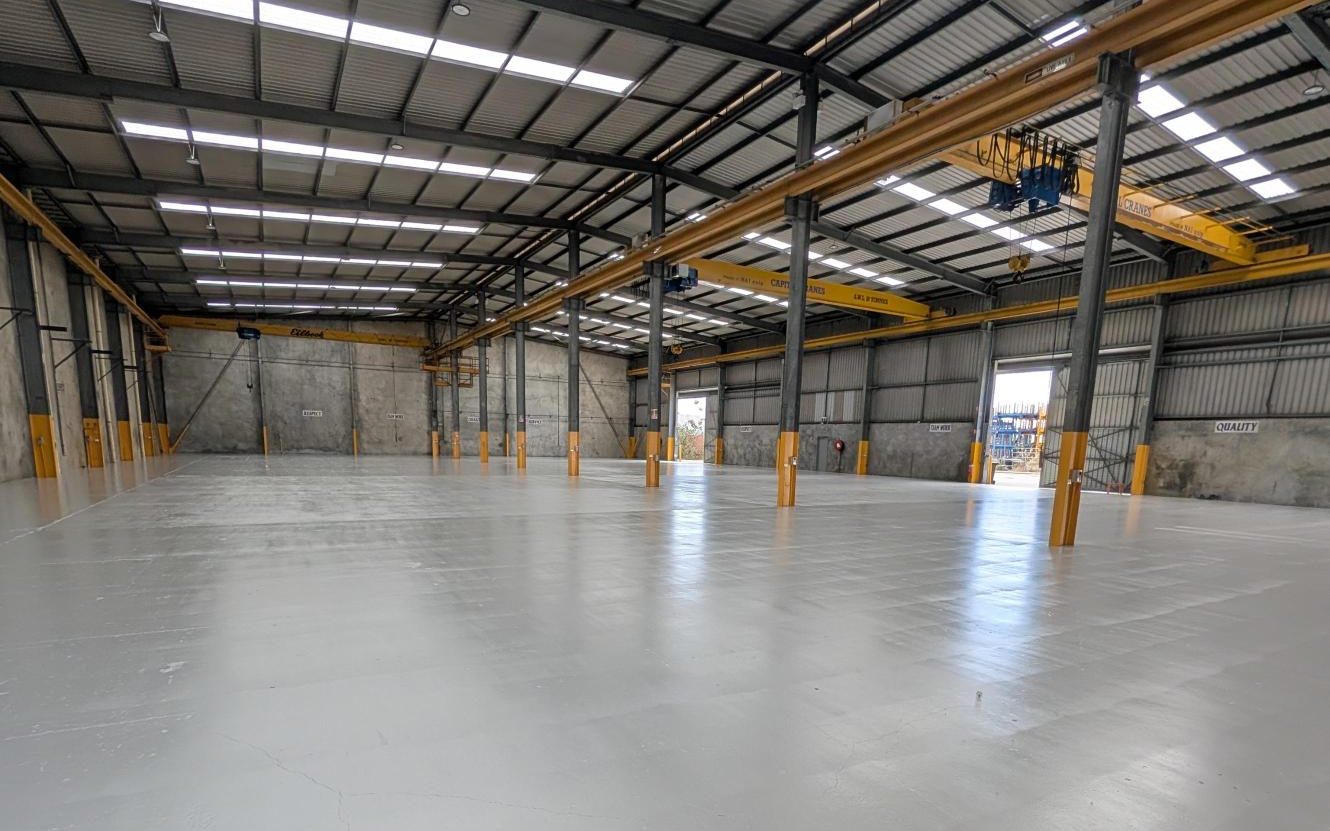
- ~1,800 m² Workshop floor, under cover
- 3 × 10 t Overhead cranes, ten tonnes each
- Indoor
& out Covered floor plus hardstand alongside - Secure Controlled access
- 40,000 psi Maximum test pressure
- 120 L/min Hydraulic power unit, maximum flow
- 5,000 psi Hydraulic power unit, maximum working pressure
From Test Floor to Mobilisation
-
Your people, on site
Witnessing a test should not mean standing in a workshop for two days with nowhere to put a laptop. Project office space is available to hire for the duration, with parking, amenities and meeting rooms.
-
What you leave with
Every test is written up twice. A task report covering what was done, and a technical report covering what it proved. Both are issued with the equipment, so the next crew and the next auditor are reading the same record.
-
Ready to mobilise
Ahead of a campaign, the subsea equipment technicians in the workshop refurbish and maintain the running tools and support equipment the project needs, so it arrives proven and configured for the scope with minimum logistics and interface risk.