Fixing the Fault Without Reterminating the Umbilical
Low insulation resistance faults in a subsea control system usually mean a new umbilical termination assembly. The client asked for something that could be retrofitted to the ones already in the water.
- Client
- Major operator (not named)
- Location
- North West Shelf, Western Australia
- Delivery
- 4 weeks for a bespoke unit
- Sector
- Subsea & Offshore
- 4 weeks To supply a bespoke EDU box
- 6 hours Offshore assembly and testing on deck
- 1 shift To install, 2 shifts end to end
- ALARP Umbilical fatigue reduced by shorter deck time
The problem
A major oil and gas operator contacted us to assist with rectifying several low IR electrical faults in their subsea control system. The faults appeared to be caused by the electrical terminations and connectors at the ends of the umbilical, within the Umbilical Termination Assemblies. Those terminations and connectors are commonplace in the subsea industry worldwide.
Historically the standard method of repair for such a fault is to reterminate the umbilical into a new UTA, or to bypass the faulty UTAs with electrical jumpers. The client instead asked for a solution that did not require a major retermination and could be retrofitted to the existing UTAs.
What we built
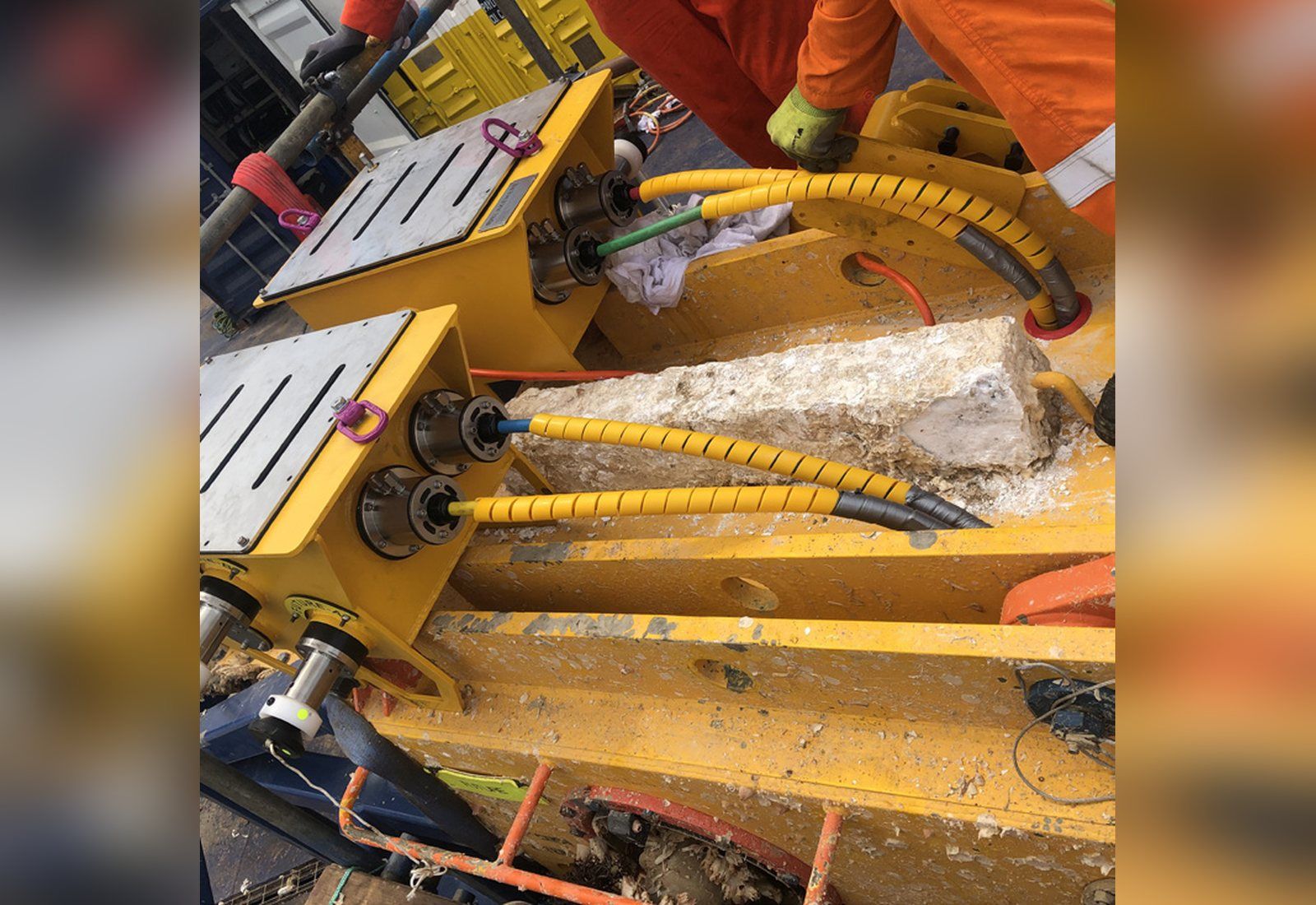
A standalone Electrical Distribution Unit that can be installed either into, or on top of, the existing UTA. The EDU houses all of the electrical components and connectors that replace the faulty system within the UTA.
It is pressure compensated, with a field-proven secondary barrier to prevent the possibility of future water ingress and the faults that follow from it.
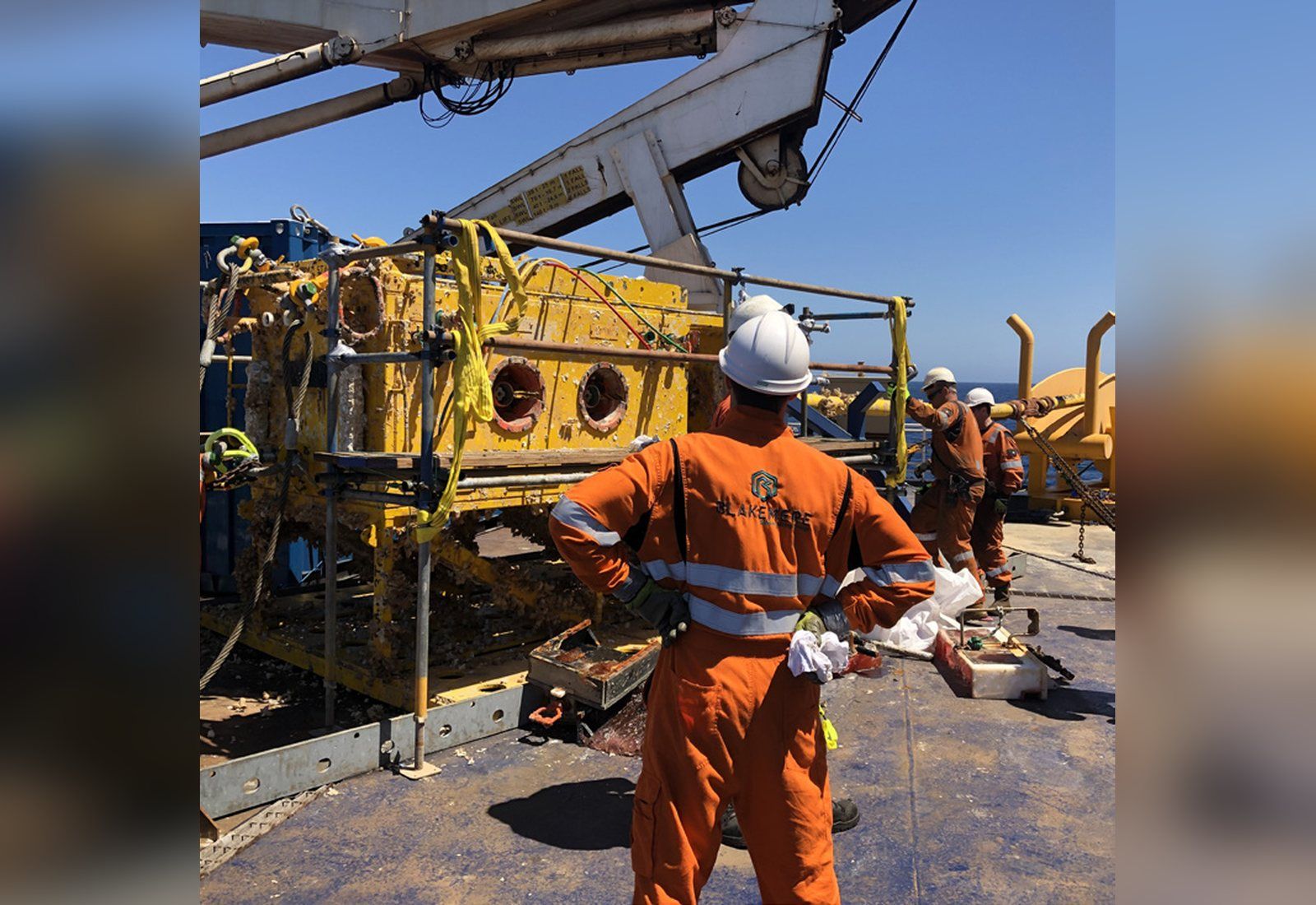
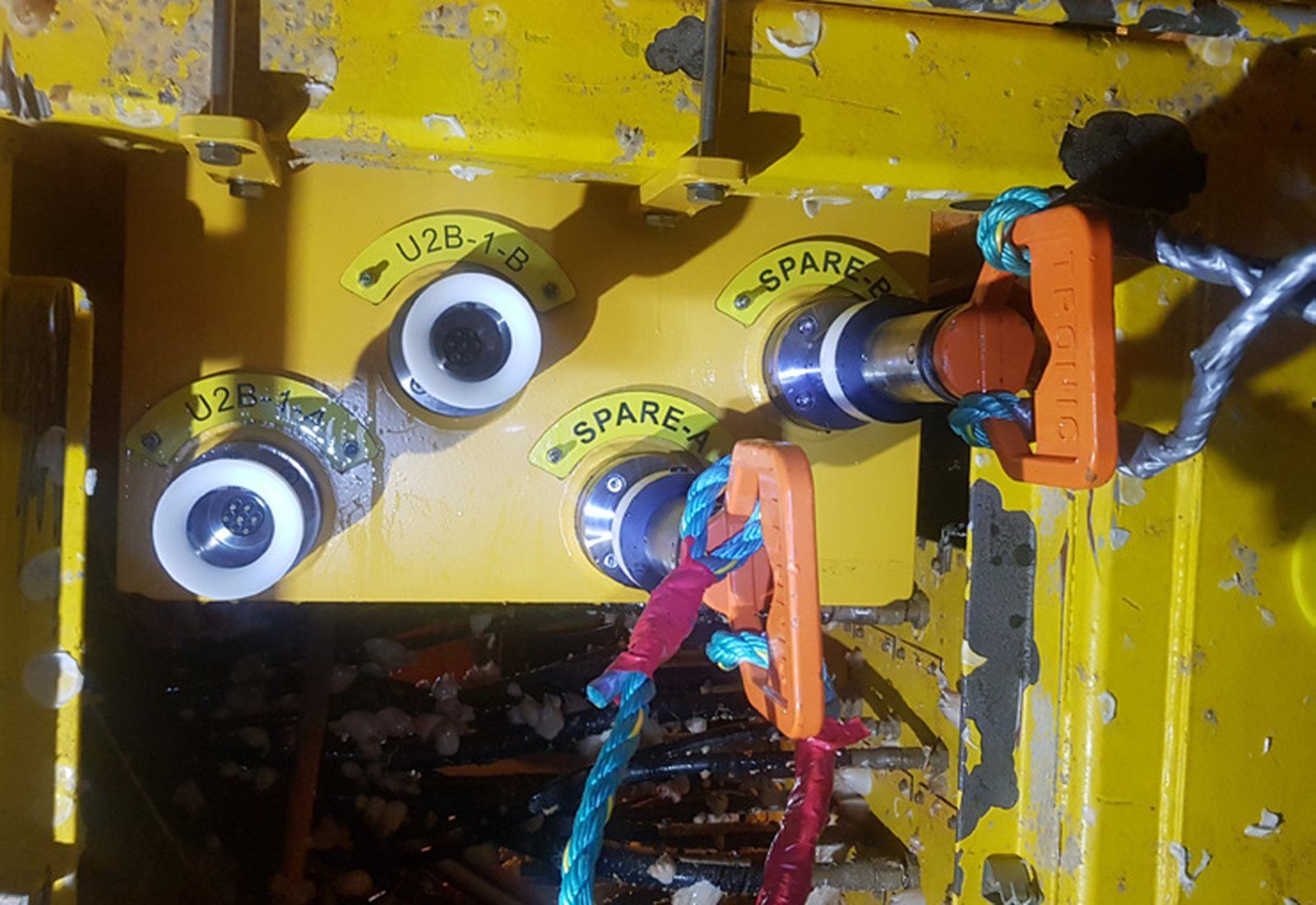
To install, the UTA is brought up to the back deck of the vessel. Once on deck it is a simple process to mount the EDU, disconnect the existing electrical terminations and connectors, and terminate the electrical umbilical to the EDU. The EDUs are then tested on the back deck before the UTA goes back in the water.
Why it is better than the standard repair
- Cost. Retrofitting the existing UTAs is a significant saving over building and reterminating new ones.
- Fatigue. Any time a UTA is lifted onto the back deck, the umbilical suffers stress cycles and fatigue from vessel motion, as it moves at the touch down point on the seabed and at the overboarding chute. A full retermination takes significantly longer than an EDU install, so completing the install within a single shift reduces that fatigue to ALARP.
- Secondary barrier. Inside the pressure compensated housing is a field-proven secondary barrier against seawater ingress. It prevents electrical components shorting in sea water even with the housing unsealed, so it functions as a full contingency to the EDU design rather than a supplement to it.
- Scope. Existing fibre optic and hydraulic connections that are still functional stay in place. Only the faulty electrical components are removed and replaced.
- Onshore work. The design allows a significant amount of the electrical wiring and testing to be completed before heading offshore, minimising time spent on the vessel.
Delivery times
- Bespoke EDU box: 4 weeks, provided the connectors are available.
- Third-party electrical components: 3 to 4 months lead time. These are consistently the critical path.
- Offshore assembly and testing once the UTA is landed on deck: 6 hours.
- EDU installation: 1 shift.
- UTA recovery to re-deployment and final testing: 2 shifts.
Have Something With the Same Shape?
If the constraint above looks like yours, ring us and ask how it went. That is a shorter conversation than a capability statement.
Start a Conversation