Re-Machining a Wellhead Sealing Face on the Seabed
A well could not be plugged and abandoned to current standards because its sealing faces were gone. No survey of those faces existed before the vessel sailed, so the tooling had to work with whatever the camera found on the day.
- Client
- Operator (not named)
- Campaign
- September 2025
- Wellhead
- 13‑5/8″ and 20″ housings
- Rating
- 2,300 psi MASP reacted
- 26 Sep 2025 Sealing face re-machined subsea
- 28 Sep 2025 Connection system installed, back-seal test passed
- 2,300 psi MASP reacted, with riser bending and tension
- 3 Tools, all crane-deployed and ROV-operated
The problem
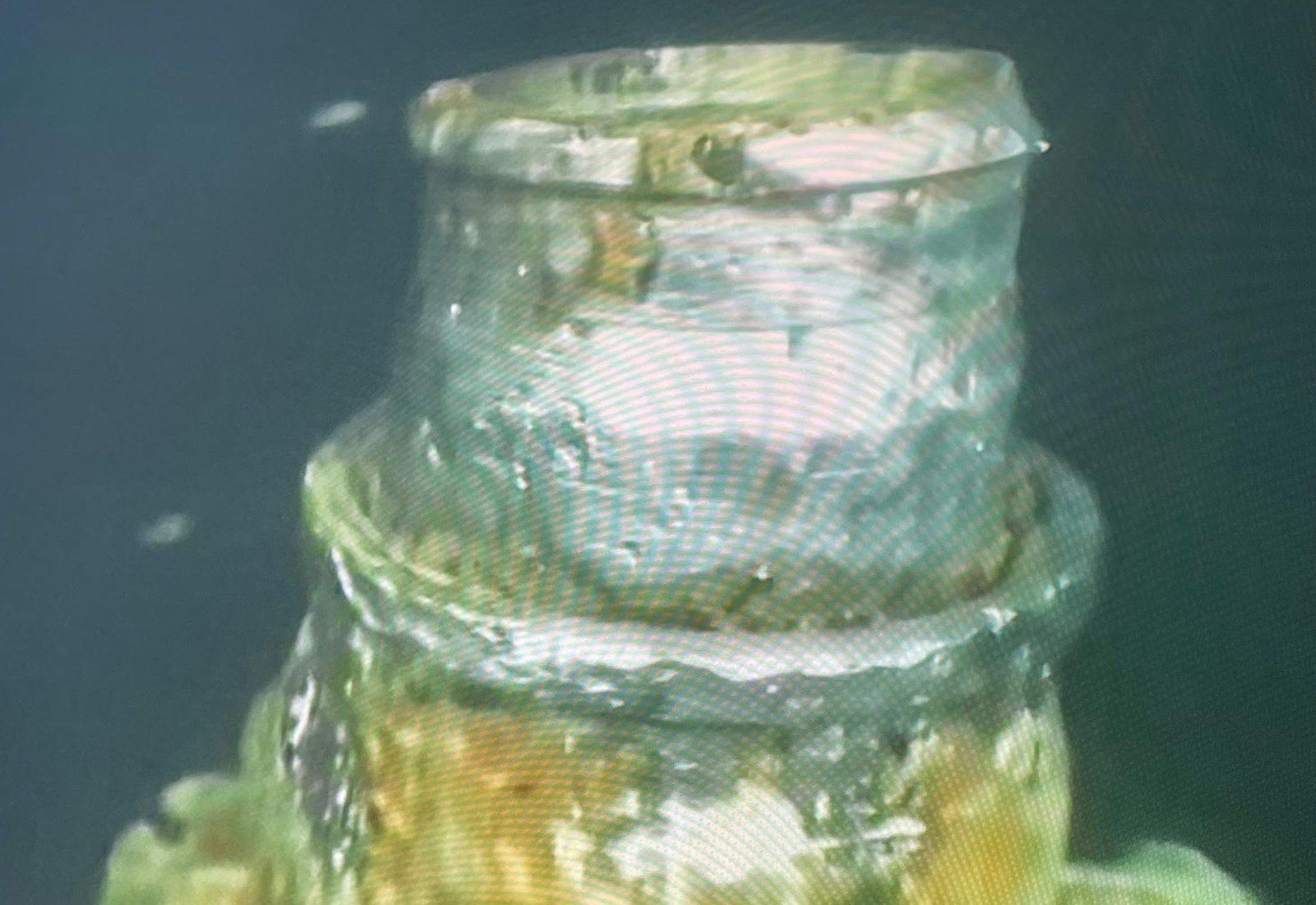
A wellhead had to be re-entered and abandoned to current standards, and it could not be, because the sealing surfaces were gone. There was significant corrosion across both the 13-inch and 20-inch housings and significant mechanical damage to the 13-inch. The structural integrity of the wellhead was otherwise acceptable, so the problem was confined to the sealing faces. Nothing lands on a wellhead that will not seal.
The complication was that no high-quality survey of those surfaces existed before the vessel sailed. Every tool therefore had to tolerate what was found rather than be dimensioned against what was expected.
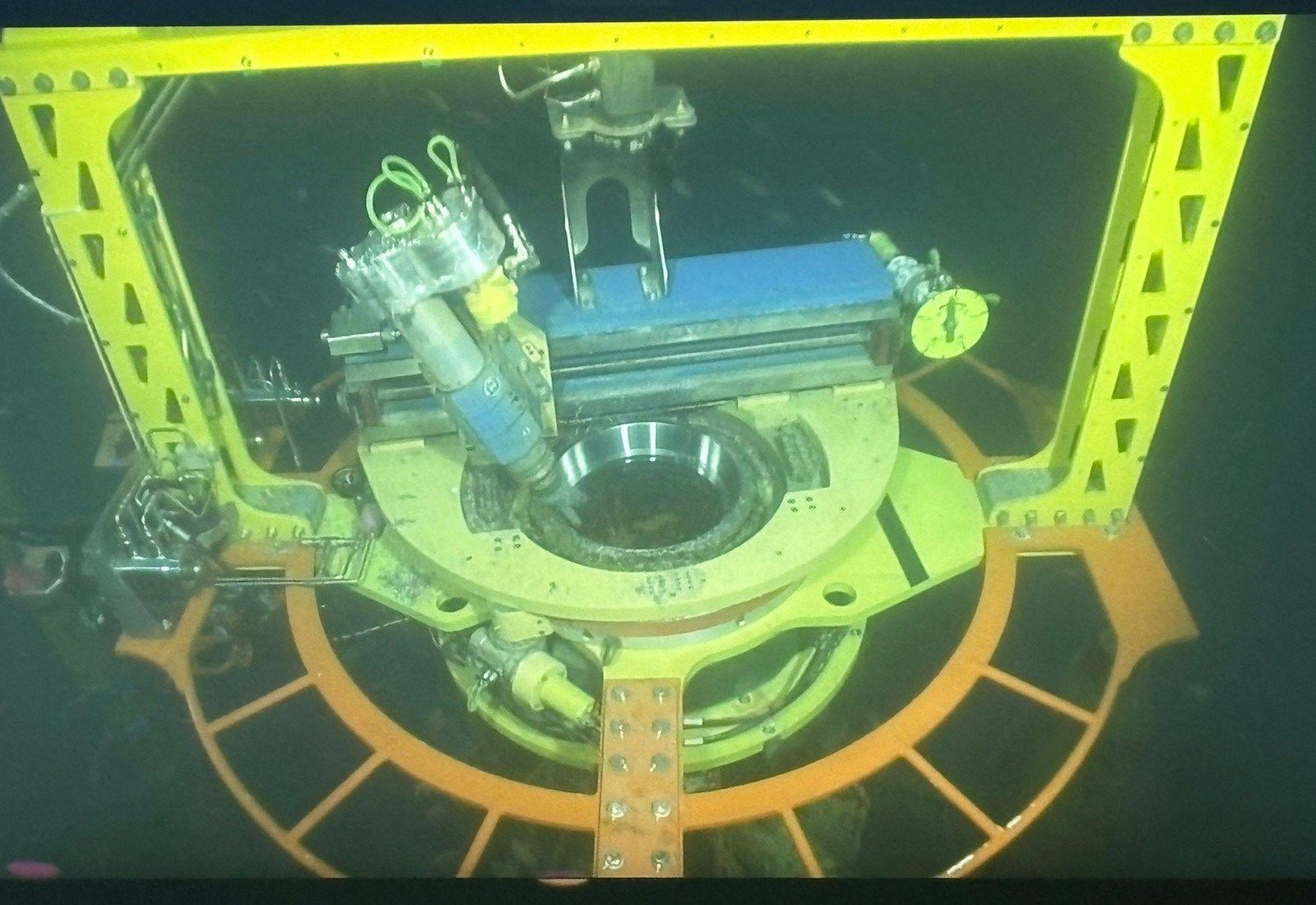
Machining tool, sealing face remediation
A crane-deployed, ROV-operated machining tool that lands on the wellhead, interfaces and self-centralises, then re-machines the sealing surface subsea to an acceptable surface finish, holding the seal angle through both the stainless inlay and the parent material of the housing. Clamping dogs driven from ROV hydraulics move simultaneously and guide the tool onto the true axis of the wellhead; an uneven number of dogs gives more reliable centring. Slew, milling head and X-axis feed are all ROV-hydraulic functions and run until machining is complete.
Internal sleeve, a new seal below the damage
A sleeve inserted into the bore to establish a new lower seal below the location of the original gasket, carrying a modified gasket that provides the upper sealing face. Because surface condition data was unavailable before the campaign, the sealing location had to stay flexible: multiple seal set positions and pluggable back-seal test ports were designed in, so the location could be chosen from what the camera showed. A restricted internal bore was acceptable on this campaign.
Connection system, taking the riser
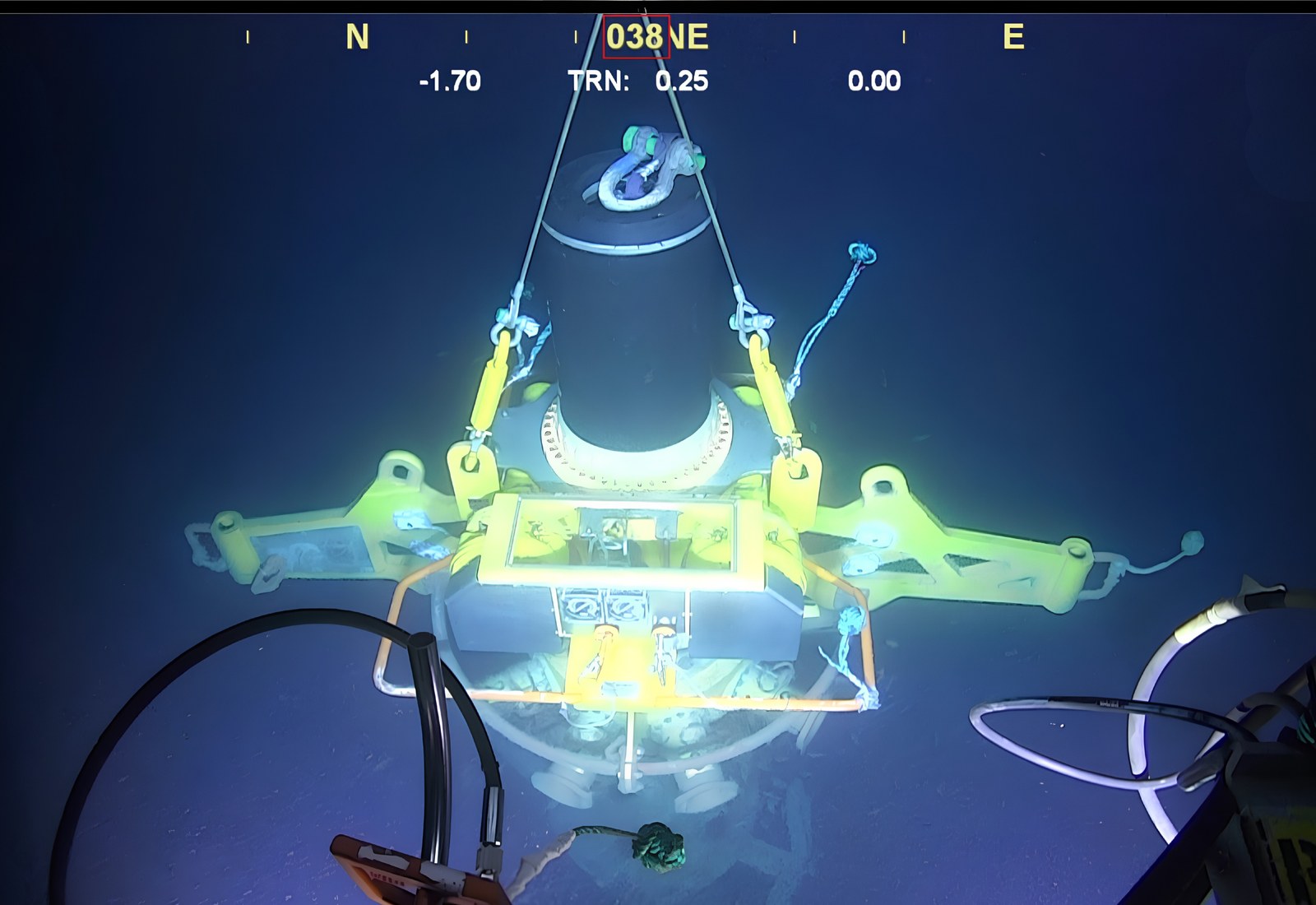
A connection system that locks onto the corroded wellhead arrangement with nine latching dogs, seals to the internal bore of the 13-5/8 inch housing, permits a back-seal test, provides guidewire receptacles, and reacts the loads associated with its use: bore pressure at 2,300 psi MASP, riser bending, riser tension and guidewire loading. A hydraulically operated slew drive lowers onto the unit and rotates the mandrel until the sealing features contact the wellhead sealing face, then applies a final pre-load.
Two days
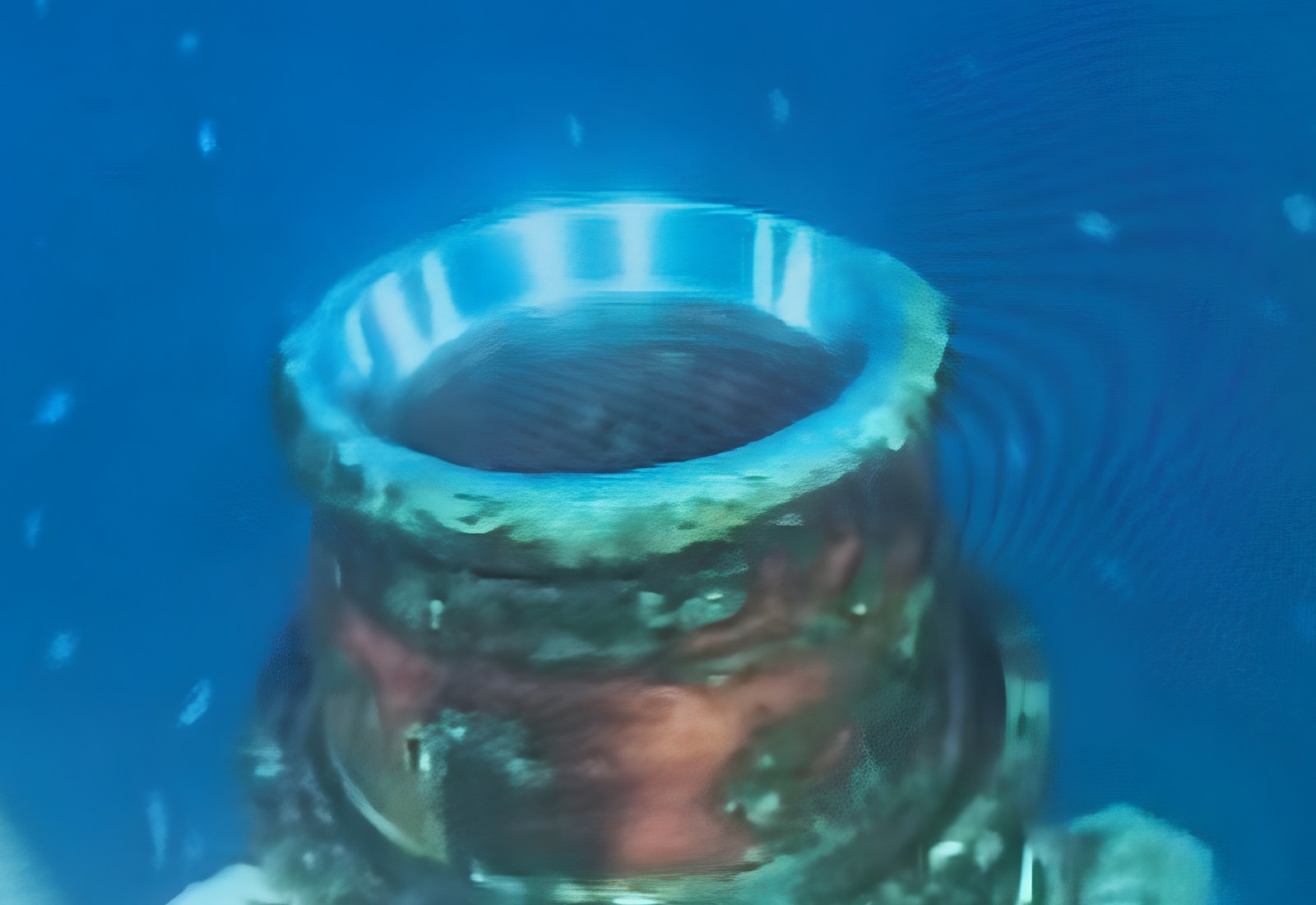
The sealing face was re-machined subsea on 26 September 2025. The connection system was installed and the back-seal test passed on 28 September. The seal was proven on the seabed before the riser was run.
Have Something With the Same Shape?
If the constraint above looks like yours, ring us and ask how it went. That is a shorter conversation than a capability statement.
Start a Conversation