Eight Legs, 154 Metres of Water, 20,000 Tonnes
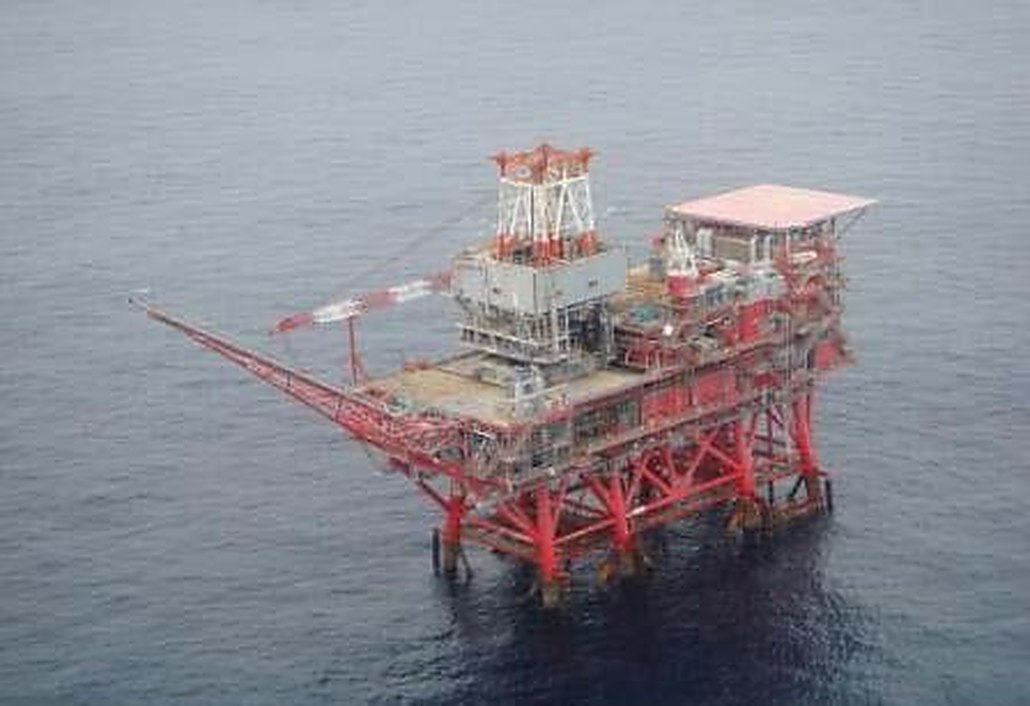
SapuraAcergy had to take the IWAKI platform off the east coast of Japan. The jacket was to be severed ninety metres below the waterline by ROV, through all eight legs and everything bracing them, then toppled onto the seabed as reef.
- Client
- SapuraAcergy
- Location
- East coast of Japan
- Water depth
- 154 m
- Sector
- Decommissioning
- 20,000+ t Platform weight
- 8 Legs cut, Ø80 in × 50 mm
- 90 m Below the waterline
- 600 t Compression cut proven onshore
The problem
The IWAKI platform stood in 154 metres of water off the east coast of Japan, eight legs carrying more than 20,000 metric tonnes. The removal methodology was to segment the topside modules for lifting onto barges by heavy lift vessel, taking those down by conventional manual cutting. The jacket was the other half of the job, and it was ours: sever it roughly ninety metres below the waterline through all eight legs, including braces and grout lines, by ROV-deployed diamond wire saw. With the cuts complete, a heavy lift vessel would take the upper portion of the jacket and topple it onto the seabed beside the fixed lower section as an artificial reef.
The cut list
Eight main legs at Ø80 in OD × 50 mm, each with a Ø72 in OD × 48 mm pile inside it, two of them carrying launch runner profiles. Jacket bracing and a J-tube: fourteen at Ø42 in, six at Ø36 in, four at Ø30 in, two at Ø24 in. Grout and inflation lines from Ø2 in to Ø8 in. That spread of diameters is why four saw sizes went out rather than one: two each of the DWS 6280, 2844, 1230 and 0814, with the hydraulic power units, spoolers and support equipment to run them.
Cutting under the weight of what is above the cut
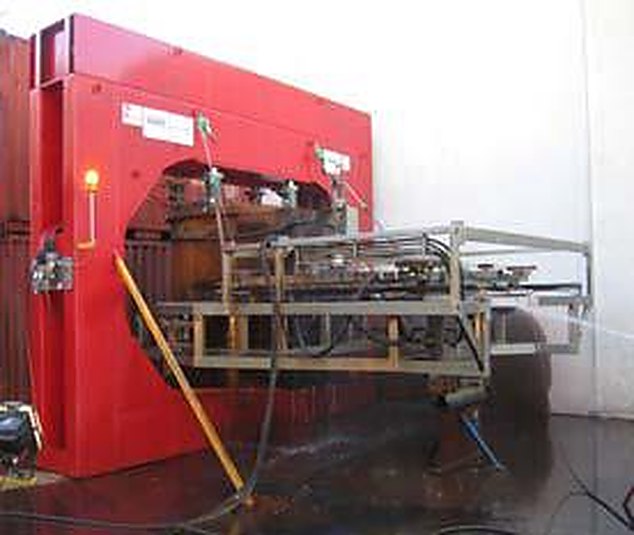
A leg severance is not a free cut. As the wire advances, the remaining steel carries progressively more of the jacket above it, and the kerf closes on the wire rather than opening away from it. Factory and system integration testing therefore included a 600-tonne compression cut, run onshore, to establish that the wire would behave under that self-weight loading before anyone committed a vessel to it.
What the tooling needed
Every saw in the spread was adapted to be neutrally buoyant, with ROV mounting arrangements and hydraulic hot-stab interfaces, including the DWS 6280, which is a large machine to make neutrally buoyant. All cuts were completed successfully, with simultaneous operations achieved at several points in the campaign, and the project-specific equipment performed as intended.
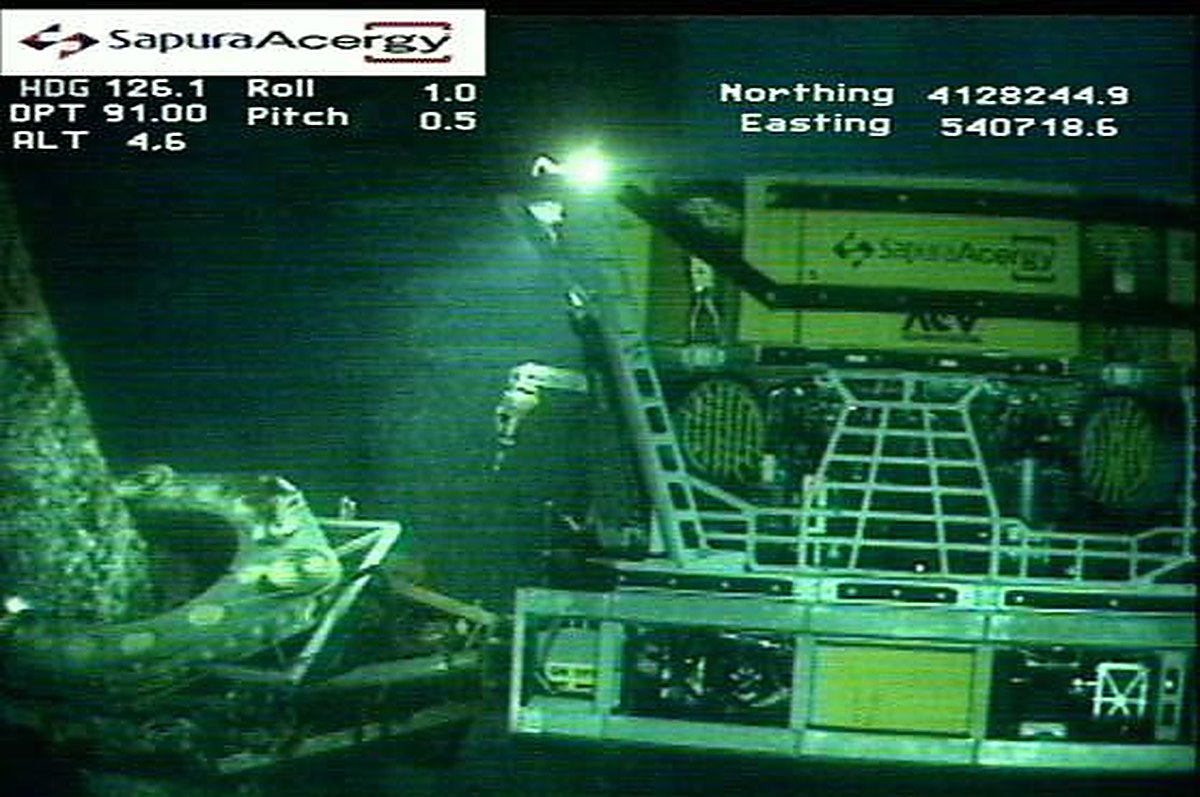
Delivered under our former name, Proserv Australia.
DecommissioningHave Something With the Same Shape?
If the constraint above looks like yours, ring us and ask how it went. That is a shorter conversation than a capability statement.
Start a Conversation