The Wellhead Connection System (WCS)
Tailored subsea solutions for complex wellhead remediation work.
Wellhead Connection System, sealed and verified before the riser runs
The Wellhead Connection System (WCS) is a bespoke subsea tool designed to connect securely to a heavily corroded wellhead arrangement. It seals to the internal bore of a 13‑5/8″ housing, and a back seal test verifies the sealing interface.
We developed the WCS in conjunction with the AX Machining Tool and offer the two as a dual tool solution.
- Seals to a 13‑5/8″ housing
- Seals to the internal bore, with the sealing interface verified through a back seal test.
- Nine latching dogs
- Lock the WCS onto the housing once it has landed.
- Designed for all associated loads
- Bore pressure of 2,300 psi, riser bending loads, riser tension and guidewire loading.
- Guidewire attachment points
- Receptacles take the guidewires once sealing integrity is confirmed.
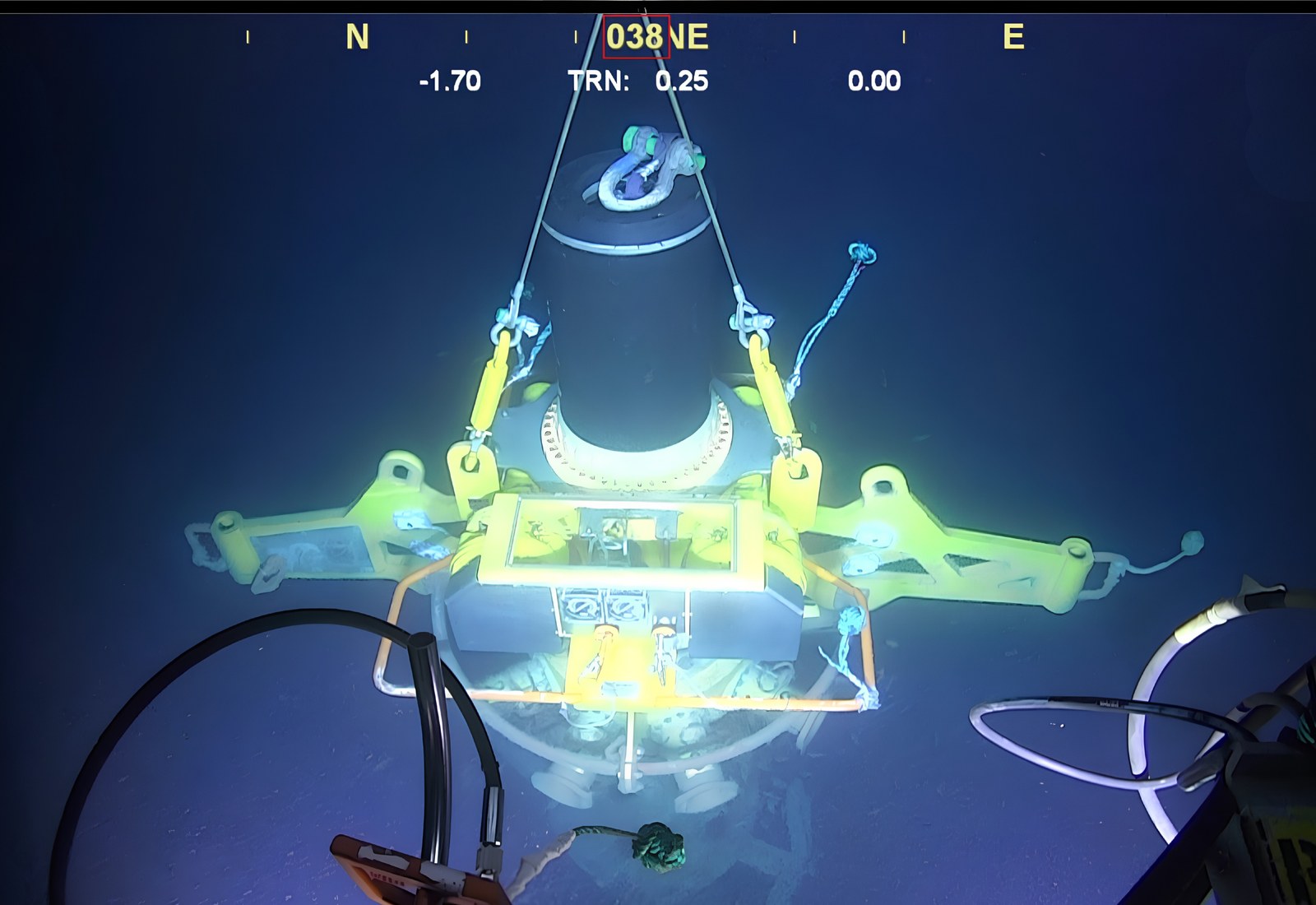
How the WCS Prepares for Well Operations
- 01 Landing on the wellhead
- Once the WCS has landed on the wellhead, all nine latching dogs are activated to lock it onto the housing.
- 02 Drive down and tighten the mandrel
- The hydraulic slew drive lowers onto the WCS and connects with the mandrel. The WCS rotates the mandrel until the seals touch the wellhead sealing face, then applies a final preload to lock the connection firmly.
- 03 Back seal test
- The back seal cavity is pressurised through the ROV hot stab interface to confirm the integrity of the primary and secondary seals, with an isolation valve and monitoring gauge supporting control and verification of the test. Once sealing integrity is confirmed, guidewires can be inserted into the receptacles, the riser can be run and the WCS is ready for well operations.
AX Machining Tool, restoring the sealing face on the seabed
Wellheads anchor drilling and manage deepwater pressures, but sitting on the seabed exposes them to corrosion that can affect their integrity.
We were tasked with machining a corroded wellhead using the AX Machining Tool, a subsea system operated by an ROV. The wellhead needed re-entry to meet current standards but could not be re-entered because of corrosion and mechanical damage. The tool re-machined the sealing surface while preserving the required AX angle, restoring it so operations could proceed safely.
- Power to all major functions
- Through ROV supplied hydraulic power.
- Accuracy to the wellhead axis
- Clamping dogs move inward and guide the tool onto the axis.
- Improved centring reliability
- From an uneven number of clamping dogs.
- Controlled X axis feed
- Along with slew rotation around the wellhead axis and milling head operation during machining.
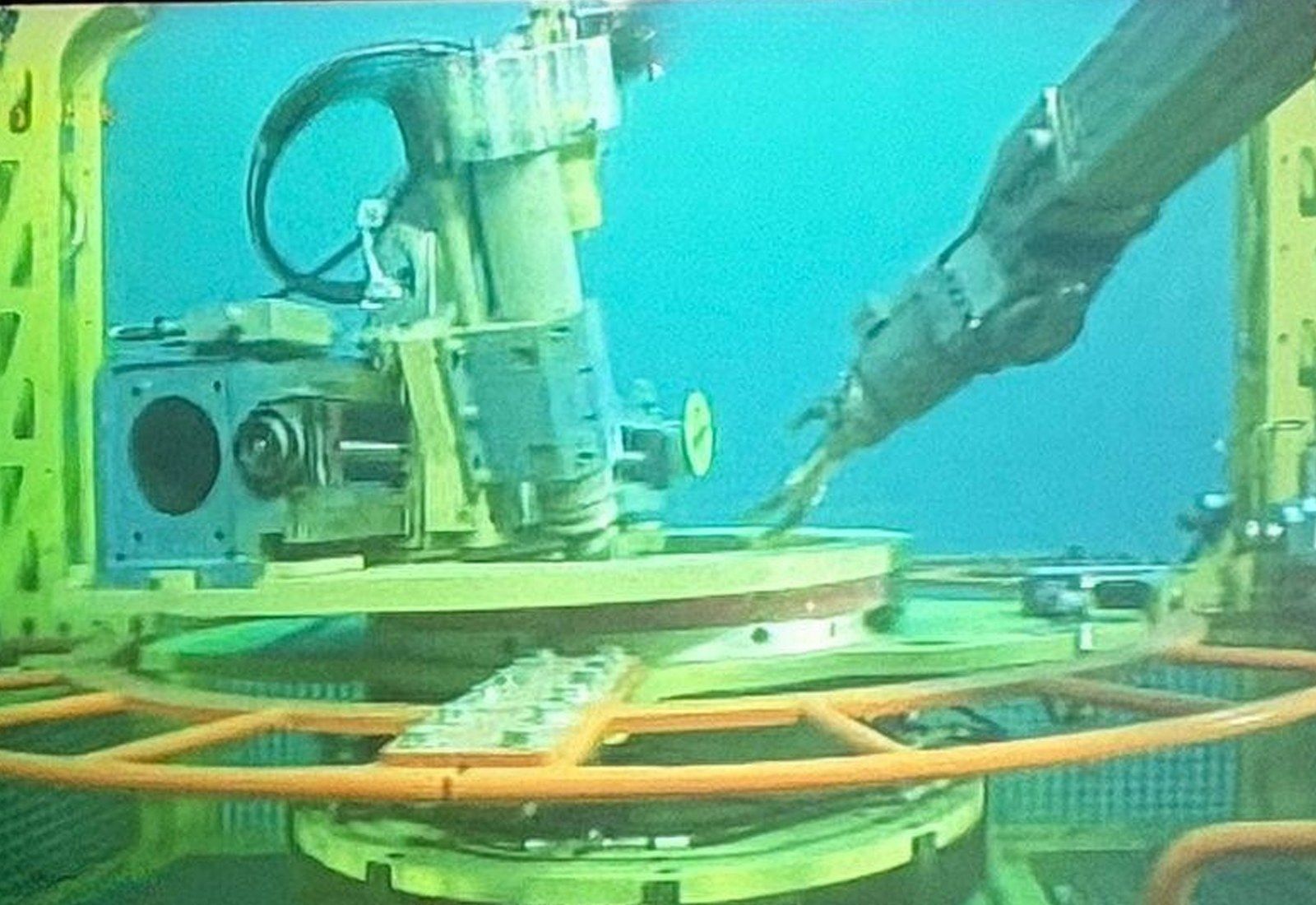
The Sealing Face, Before and After
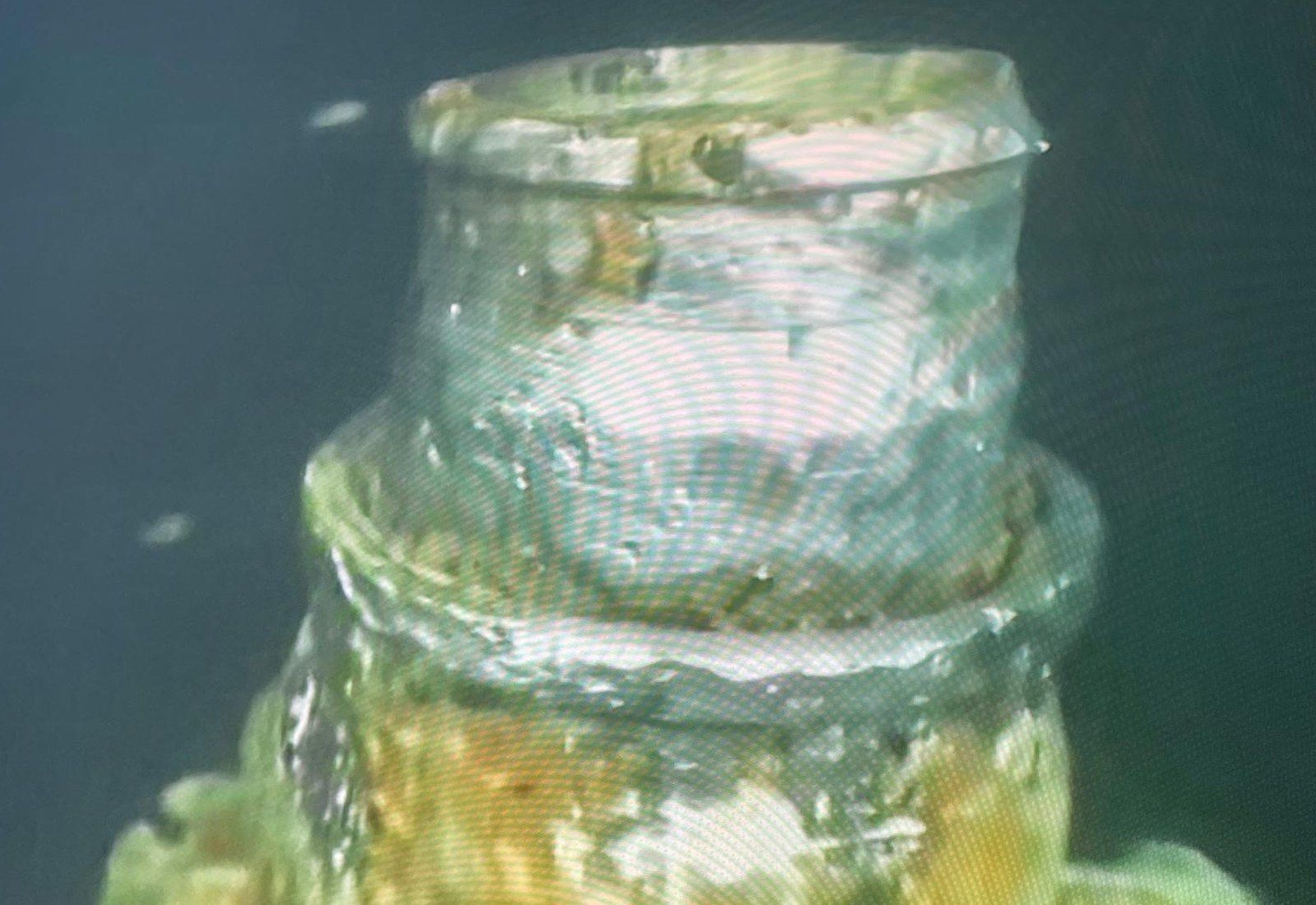
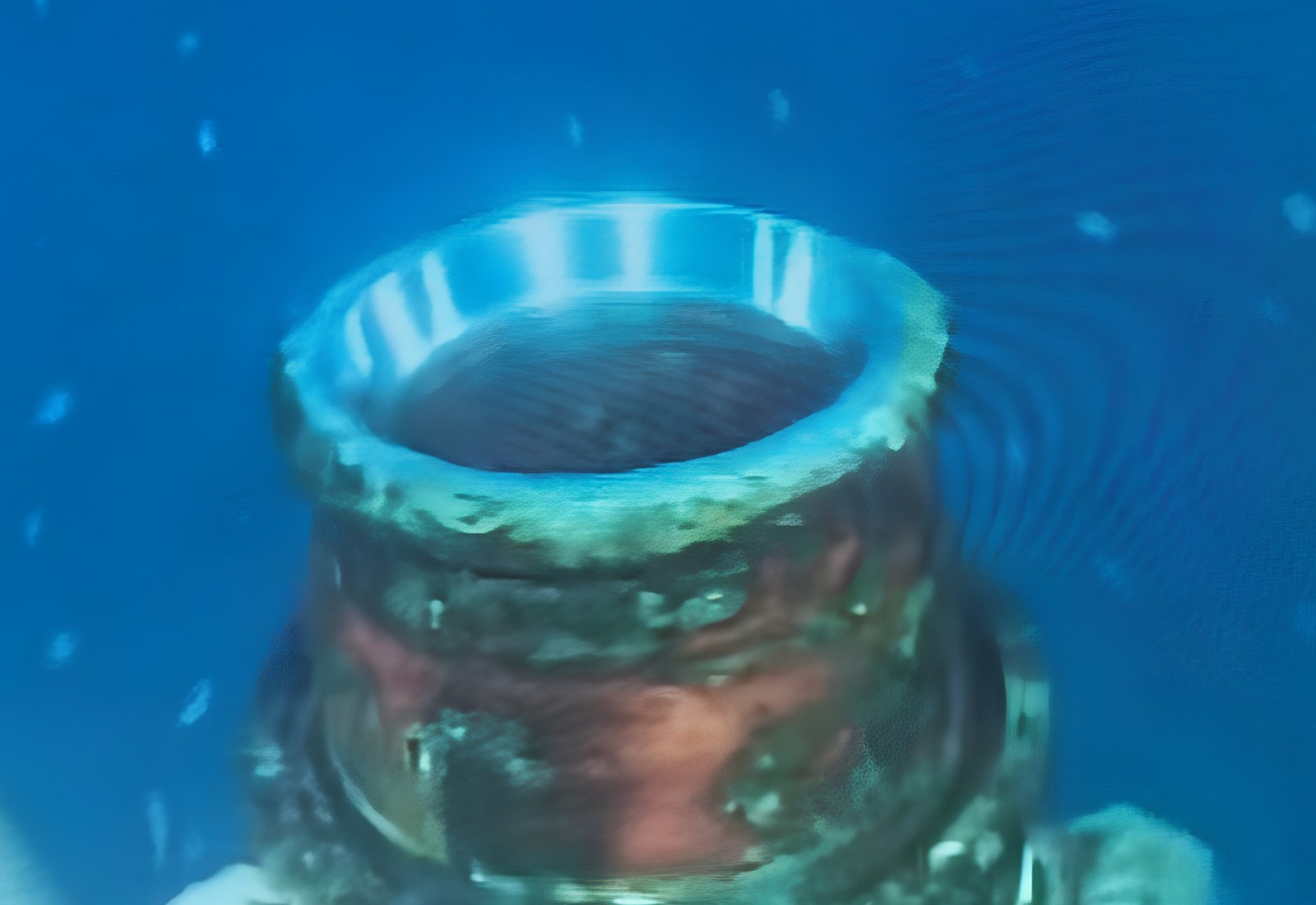
The case study sets out how the September 2025 campaign went, from the sealing face as found to the back seal test passed on the seabed.
Talk to Us About Wellhead Remediation
If a corroded or damaged wellhead is holding up a re-entry, our team can talk through how the WCS and AX Machining Tool would apply to it.
Contact Us